
10K, 20K and 30K describe increasing levels of hydrostatic-head performance, but a larger number is not automatically the best buying decision. A brand should choose the target from product use, expected weather, garment construction, weight, hand feel, breathability and price.
Before comparing quotations, confirm that suppliers are reporting results from the same test method and sample condition. Fabric figures from different laboratories or methods should not be treated as directly interchangeable without review.
Quick answer
10K is often considered for everyday rainwear and lighter outdoor use, 20K for more demanding wet-weather products, and 30K for specialist ranges where the higher target is commercially and technically justified. Final suitability must be confirmed through the agreed test method and finished-garment construction.
| Target | Common product direction | Questions before approval |
|---|---|---|
| 10K | Urban rainwear, entry outdoor ranges and shorter exposure | Is the fabric comfortable, packable and suitable for the retail claim? |
| 20K | Technical hiking, ski shells and regular wet-weather use | Do seam tape, zippers and design support the same performance level? |
| 30K | Premium or specialist shells with demanding specifications | Will the customer value the added cost, and is the result independently documented? |
These are development directions, not universal pass/fail rules. The product brief and chosen market should set the requirement.
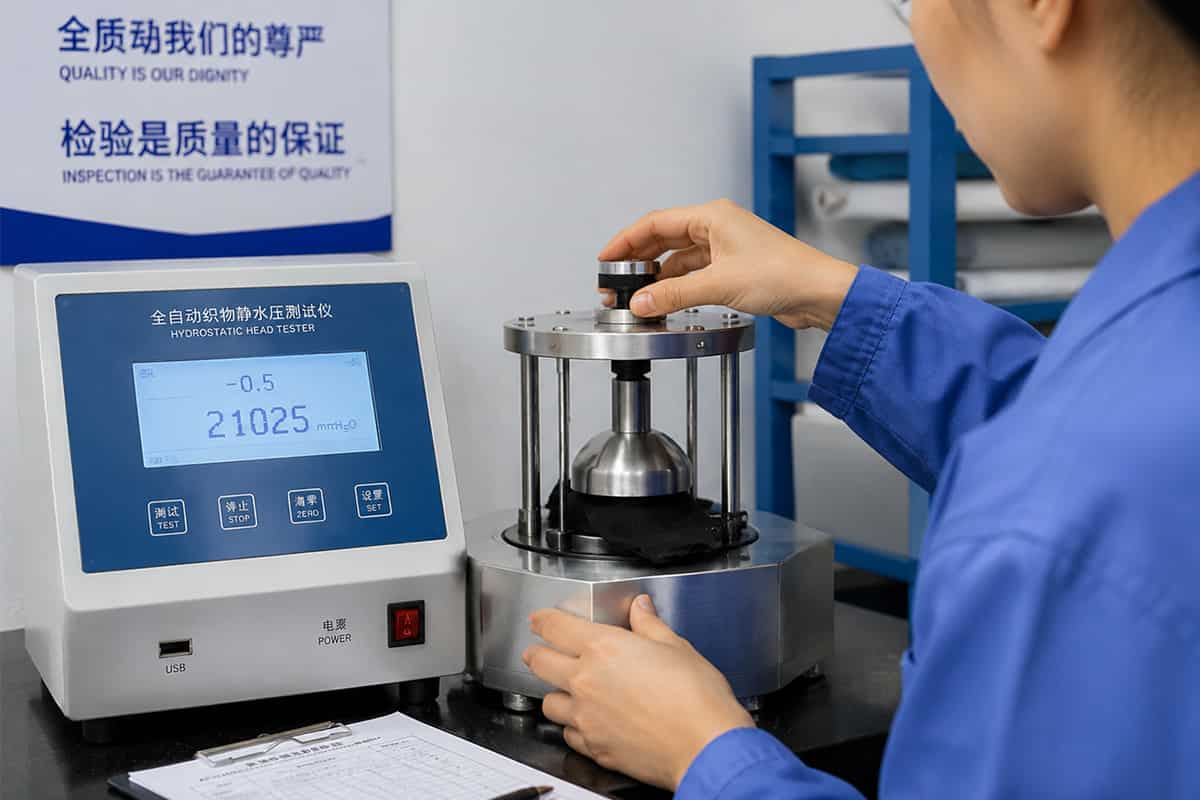
Hydrostatic-pressure testing evaluates a fabric's resistance to water penetration. ISO 811:2018 specifies a hydrostatic-pressure method for textile fabrics. When requesting a report, record the test method, laboratory, sample condition, units and result rather than copying only the marketing number.
Needle holes, seam intersections, zippers, pocket openings, hood shape and drawcord exits can create leakage points. A strong fabric result does not guarantee an equally strong garment. Fully waterproof products normally need compatible seam tape and a construction plan designed around water entry.
For shell construction and sealing decisions, also review the hardshell jacket specification guide.
A customer moving uphill produces more heat and moisture than a commuter waiting for a train. Set the breathability requirement from activity and climate, and specify the test method used. Ventilation features, lining choice and fit also affect comfort, so one laboratory figure should not carry the whole product story.
2-layer: flexible styling and a separate lining, often suitable for lifestyle and insulated jackets.
2.5-layer: lighter and packable, with an inner print or coating protecting the membrane.
3-layer: face, membrane and backer bonded together for technical shells and frequent use.
Face fabric denier, weave, stretch, membrane type and backer can change durability, noise, drape and cost even when two fabrics carry the same waterproof rating.
Define user, climate, exposure time and retail claim.
State waterproof and breathability methods, units and minimum results.
Approve bulk fabric colour, hand feel, stretch and weight.
Confirm tape and zipper compatibility before the sales sample.
Test the finished garment at identified risk areas.
Agree whether testing is initial, per colour, per lot or repeated after washing.
It is a higher stated target, but may add cost or narrow fabric choices. Select it when the product use and customer expectation support the decision.
It may suit some rainwear briefs, but “enough” depends on exposure, construction, test method and claim. Finished-garment review is still required.
The quality plan should reflect risk, volume, buyer requirements and material consistency. Define the frequency before ordering rather than after a failure.
Send RUINIU your end use, rating target, construction, quantity and target price. We can compare available shell materials and flag the tests needed before production.