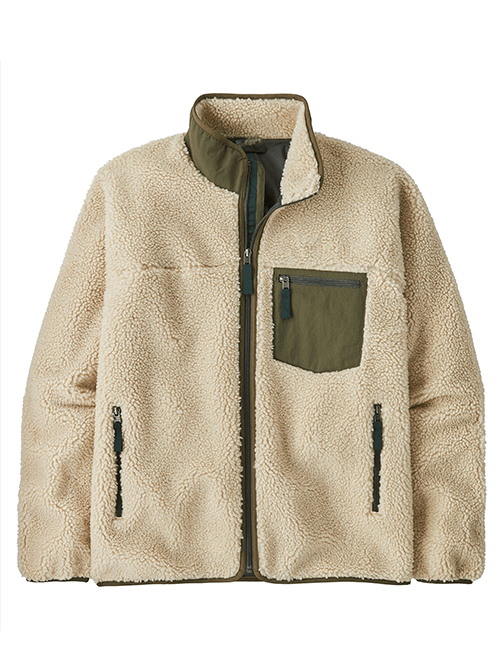

Many outdoor brands underestimate how difficult Sherpa fleece jacket production can be until the sampling stage begins.
Inconsistent pile texture, unstable fabric weight, poor anti-pilling performance, inaccurate color matching, and weak seam construction are some of the most common issues buyers face when sourcing custom Sherpa fleece jackets from overseas manufacturers.
For OEM and private label brands, product quality problems usually do not appear in the first sample — they appear during bulk production. This is why choosing the right Sherpa fleece jacket manufacturer is critical for long-term product consistency and brand reputation.
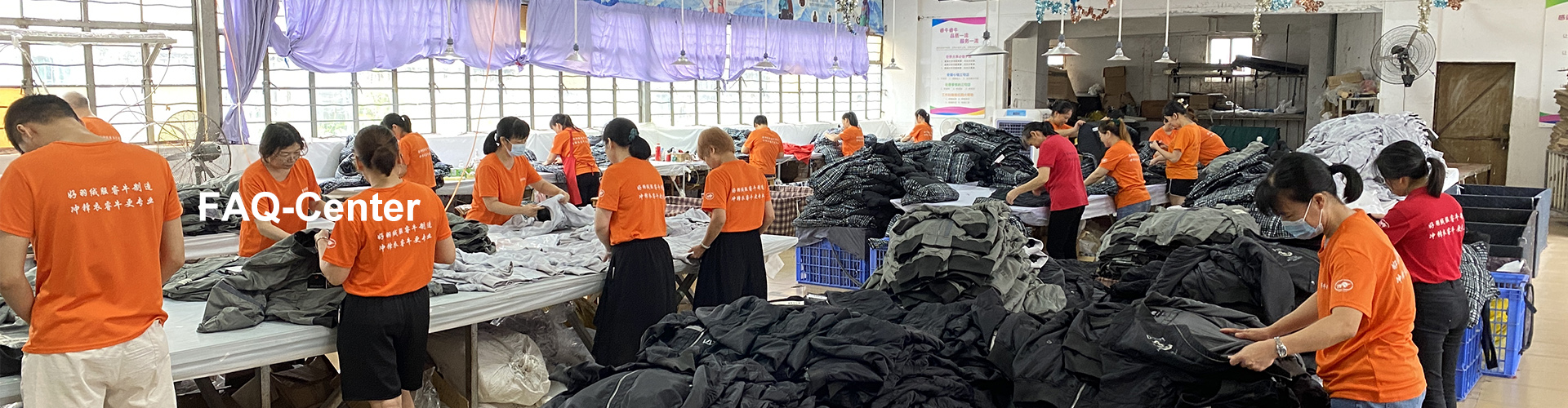
At Ruiniu Garment, we work with outdoor brands, wholesalers, and private label apparel companies across North America, Europe, and Australia to develop OEM Sherpa fleece jackets for retail and wholesale programs.
This guide explains the key factors buyers should understand before starting a Sherpa fleece jacket project, including fabric selection, customization options, MOQ planning, production lead times, and quality control standards.
Sherpa fleece is a knitted pile fabric designed to replicate the appearance and texture of sheep wool. The fabric typically combines a smooth knitted backing with a dense fleece pile surface that traps warm air and improves thermal insulation.
Compared with standard polar fleece, Sherpa fleece generally offers higher visual texture, better insulation performance, stronger premium appearance, and better suitability for outerwear products.
Because of these characteristics, Sherpa fleece is widely used in outdoor fleece jackets, hiking mid-layers, winter casual outerwear, camping apparel, streetwear collections, and lined hoodies and vests.
For OEM buyers, Sherpa fleece remains one of the most commercially stable categories in the fall and winter apparel market due to its strong retail demand and flexible styling potential.
Sherpa fleece jackets have become a consistent category for both outdoor brands and lifestyle apparel companies because they combine functionality with fashion-driven visual appeal.
In outdoor markets, Sherpa fleece is commonly used as a lightweight insulating layer suitable for hiking, travel, camping, and cold-weather recreational use.
In lifestyle and fashion retail channels, Sherpa fleece performs well because textured fabrics create stronger visual depth for e-commerce photography and social media marketing.
For wholesale apparel buyers, Sherpa fleece jackets offer several commercial advantages:
| Advantage | Commercial Benefit |
|---|---|
| Broad consumer appeal | Suitable for multiple age groups and genders |
| Strong seasonal demand | Reliable fall and winter sales performance |
| Flexible styling | Works for outdoor, casual, and streetwear markets |
| Stable production process | Lower development risk compared to trend-based products |
| Wide pricing range | Suitable for both entry-level and premium collections |
This combination makes Sherpa fleece jackets one of the most reliable categories for OEM outerwear manufacturing.
Professional OEM manufacturers can develop Sherpa fleece jackets based on tech packs, sketches, reference samples, or existing products supplied by the buyer.
Successful customization is not simply about changing logos or colors. Fabric structure, seam construction, pile density, and trim compatibility all directly affect bulk production consistency.
At Ruiniu Garment, most Sherpa fleece jacket projects involve customization across the following areas:
| Customization Area | Common OEM Options |
|---|---|
| Jacket silhouette | Full-zip, half-zip, pullover, oversized, cropped, vest |
| Fabric weight | 180gsm–500gsm+ depending on market positioning |
| Pocket configuration | Chest pockets, hand pockets, internal storage pockets |
| Collar structure | Stand collar, mock neck, hooded styles |
| Branding methods | Embroidery, woven patches, rubber patches, heat transfer |
| Private label packaging | Woven labels, care labels, hangtags, custom polybags |
| Color development | Pantone matching or custom-dyed Sherpa fabric |
For premium outdoor brands, embroidery patches and contrast woven fabric panels are often used to improve product differentiation and retail value.
Most OEM Sherpa fleece projects require 2–3 sample revisions before bulk production approval. Clear communication during sampling is essential because pile fabric construction can behave differently during cutting and sewing compared with smooth woven fabrics.
→ Browse our full custom fleece jacket range: Custom Fleece Jackets
Fabric selection is one of the most important decisions in Sherpa fleece jacket manufacturing. Many buyers focus only on softness during sampling, but professional OEM production requires evaluating technical specifications that affect long-term product quality and production stability.
The most commonly used Sherpa fleece range for standalone outerwear production is typically between 280–350gsm, which provides a balance between warmth, structure, and production efficiency.
Heavyweight Sherpa fleece above 380gsm is commonly used for premium winter outerwear, although thicker pile fabrics may require reinforced seam construction to maintain garment shape after repeated washing.

Fabric weight (gsm) — Affects warmth, structure, and retail positioning
Pile density — Influences insulation and fabric appearance
Anti-pilling performance — Reduces surface wear after washing
Shrinkage rate — Prevents sizing inconsistency after laundering
Colorfastness — Improves durability and retail quality
Fabric composition — Determines performance and price point
Certification availability — Required for EU and US retail compliance
| Fabric Type | Typical Application |
|---|---|
| 100% Polyester Sherpa | Standard outdoor and lifestyle jackets |
| Recycled Polyester (rPET) Sherpa | Sustainable apparel collections, GRS certifiable |
| Polyester-Spandex Blend | Active outdoor and stretch performance products |
Before bulk production begins, Ruiniu Garment provides fabric swatches, lab dips for color approval, technical data sheets, wash testing results, and certification documentation where required.
This step helps reduce production inconsistencies during bulk manufacturing.
MOQ varies depending on fabric sourcing requirements and customization complexity. Custom-dyed Sherpa fleece fabrics generally require higher MOQs than stock colors because fabric mills often have minimum production quantities.
Custom zipper pulls and cord lock branding
Embroidery patches and rubber logo applications
Custom packaging and polybag printing
Multiple colorways within the same style
Buyer-supplied trims and accessories
For startup clothing brands, discussing MOQ planning early in the development stage helps avoid unexpected production limitations later in the project.
Ruiniu Garment offers scalable production solutions for growing brands at different stages of development.
→ Discuss your MOQ requirements with our team: Contact Us
Sherpa fleece jackets remain one of the strongest categories in the outdoor apparel and lifestyle market because they combine commercial reliability, strong visual appeal, and flexible customization potential.
Successful OEM Sherpa fleece production depends heavily on fabric selection, quality control standards, and manufacturing experience.
A reliable OEM partner should provide consistent support across fabric sourcing, sampling, bulk production, quality inspection, private labeling, and export logistics — with clear communication at every stage.
At Ruiniu Garment, we work with outdoor brands, wholesalers, and private label apparel companies worldwide to develop high-quality custom Sherpa fleece jackets for retail and wholesale markets.
Ready to start your custom Sherpa fleece jacket project?
Contact Ruiniu Garment today to request fabric swatches, discuss your MOQ requirements, or share your tech pack with our production team. We respond to most inquiries within 24 hours.