
+86 18928650351
jacket3@ruiniufashion.com
EN
Frequently Asked Questions

Exploring Outdoor Jackets: Unraveling the Mysteries of Function and Style

Jul 09,2026 2168

How to Choose an Outdoor Jacket Manufacturer in China: What Brands Need to Know

Evaluating an outdoor jacket factory based purely on plant size or sample cost is a costly mistake. For technical outerwear, a single error in seam-sealing calibration or fabric certification can hold up your entire shipment at European customs — or trigger product failures in the retail market.

For outdoor brands developing a new jacket collection, the manufacturing partner you choose affects cost, development timeline, compliance, and the performance of every unit that reaches your customer.

This guide covers what outdoor brands and OEM buyers should evaluate when selecting a manufacturing partner for custom outdoor jackets.

1. Product Specialization Matters More Than Factory Size

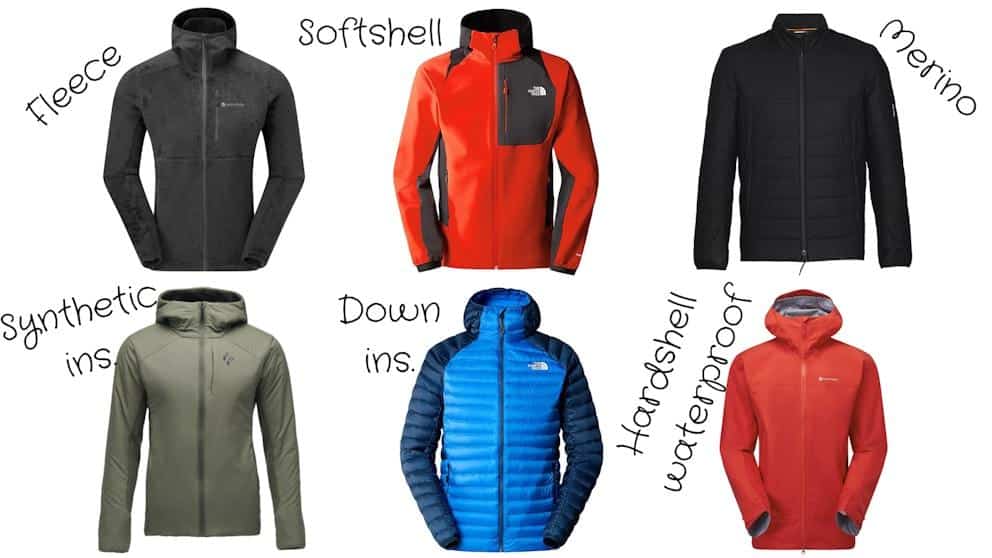
A large factory producing millions of basic t-shirts or casual hoodies is often a poor fit for technical outerwear. Outdoor jackets — particularly waterproof hardshells, softshells, down jackets, and ski suits — require specific production capabilities and operator skill sets.

When evaluating a potential supplier, confirm the following manufacturing capabilities:

  • Seam sealing equipment: Check whether the factory operates specialized hot-air seam sealing machinery in-house. A factory that outsources seam sealing has less control over quality and timeline.

  • Down filling systems: For down insulation products, automated filling rooms with precision weight scales are critical for even distribution and preventing down migration during wear.

  • Pattern engineering: Technical fits require articulated sleeves, ergonomic hood construction, and precise grading. A factory with an in-house CAD pattern department reduces sampling rounds and development time significantly.

  • Stretch fabric handling: Softshell production requires stretch-needle sewing and edge-bonding setups. Factories without this equipment produce softshell seams that lose elasticity after washing.

2. Jacket Categories and Production Complexity

Different jacket types require different production lines, machinery, and minimum order quantities. Setting realistic expectations starts with understanding where your product sits in the complexity range.

Jacket TypeComplexityCore Machinery NeededPrimary Challenge
Windbreaker / lightweight shellLow–MediumStandard sewing, bartackingLightweight fabric handling without puckering
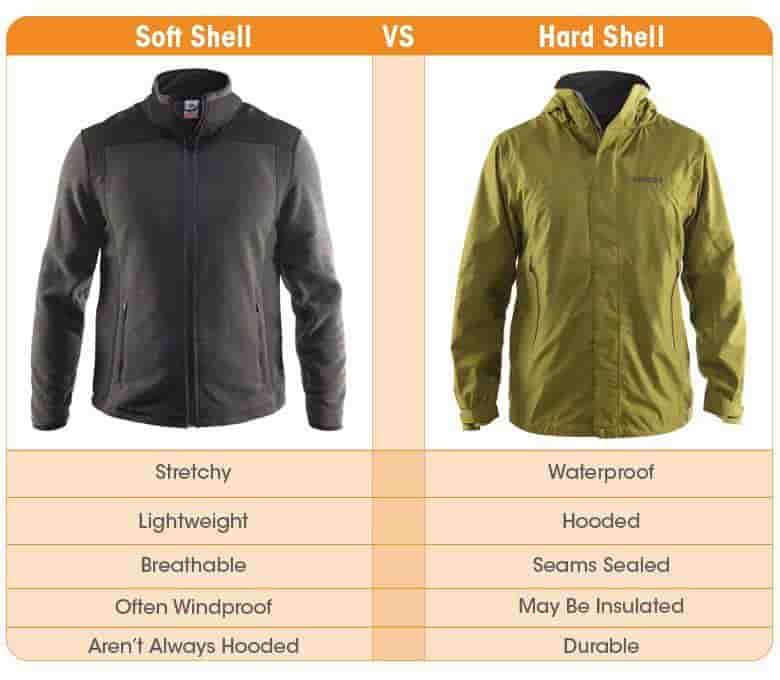
Softshell jacketMediumStretch-needle sewing, edge-bondingSeam elasticity and laminate bond strength
Waterproof hardshellHighHot-air seam sealers, hydro testers100% waterproof seal at multi-seam junctions
Technical down jacketMedium–HighAutomated down injection, anti-leakage needlesPreventing feather migration along stitch lines
Ski / alpine jacketExtremeFull tape sealing, ultrasonic bondingIntegrating complex features (pit zips, powder skirts)
3-in-1 jacketHighDual-line production capabilityZip-in system compatibility across both layers

For brands developing their first outdoor collection, starting with softshell or windbreaker styles reduces development risk and sampling cost. These categories allow full customization with lower construction complexity and faster time to market.

3. Waterproof and Breathability Ratings: What Buyers Must Verify

Never rely on a supplier's verbal claim of "high quality waterproofing." Professional buyers should request verified fabric specification sheets with exact hydrostatic head and MVTR figures before confirming any order.

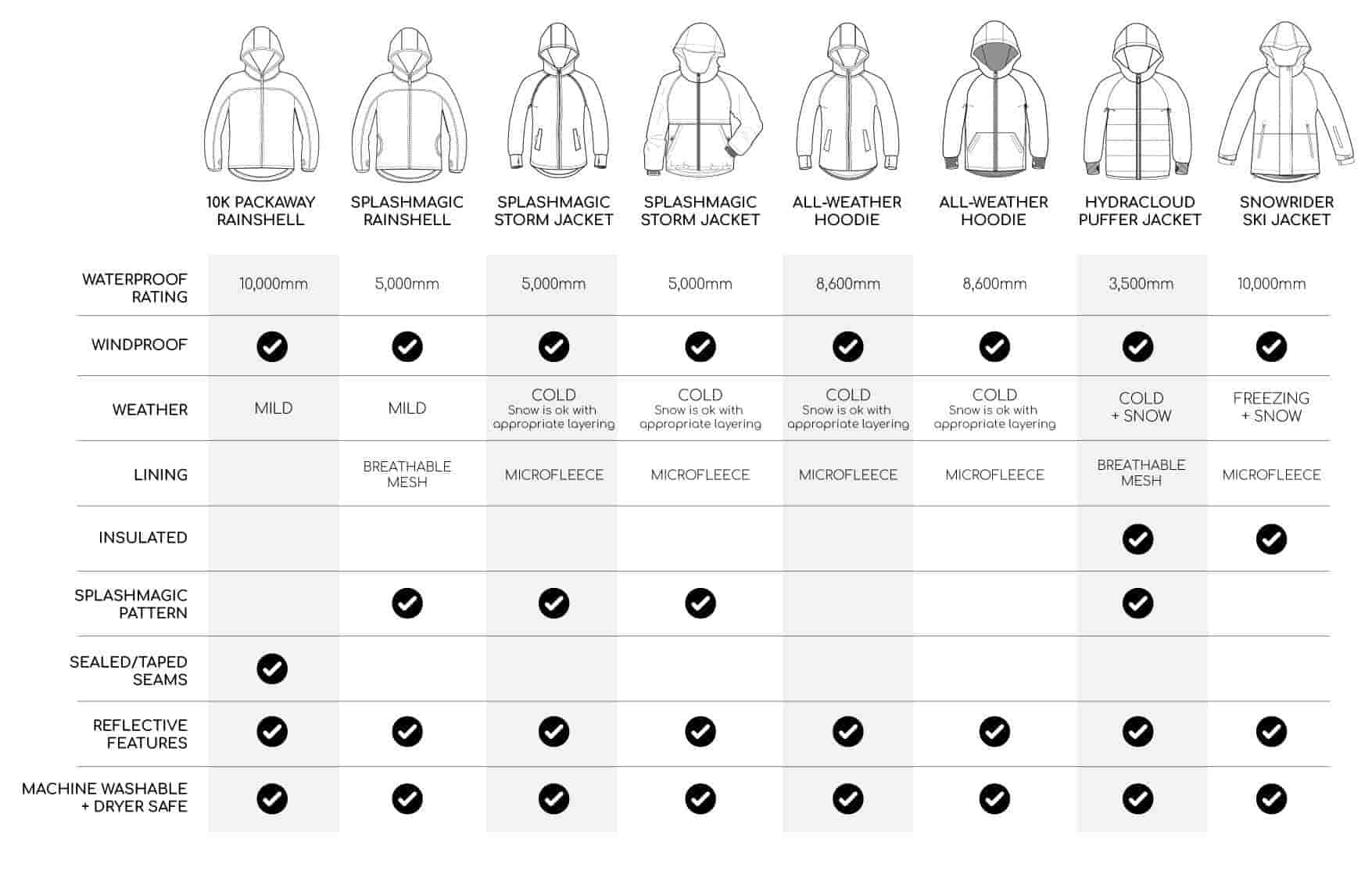
Waterproof rating (hydrostatic head):

RatingPractical MeaningMarket Application
5,000mmLight rain resistanceUrban, casual outdoor, corporate gifting
10,000mmModerate rain, sustained useHiking, ski wear, mid-tier outdoor
20,000mmHeavy rain, high output activityAlpine, expedition, premium technical
28,000mm+Extreme weather conditionsTechnical mountaineering

Breathability (MVTR — moisture vapor transmission rate):

  • 5,000 g/m²/24h — Basic breathability

  • 10,000 g/m²/24h — Moderate activity use

  • 20,000 g/m²/24h — High output activity

  • 30,000+ g/m²/24h — Technical performance

EU market compliance warning:
European PFAS regulations restrict traditional fluorinated DWR finishes. Brands targeting EU retail must confirm PFC-free DWR treatment on all outerwear from the fabric sourcing stage — not as an afterthought before shipment. Request current test reports, not verbal confirmation.

4. Construction Standards That Drive Cost Differences

When comparing two seemingly identical factory quotations, the price difference almost always comes from interior construction standards that are invisible in photos but determine real-world performance.

Seam sealing:

Cheaper production runs only tape critical seams — shoulders and hood. A fully waterproof technical jacket requires 100% taped seams, which consumes up to 30% more labor time and additional sealing tape material. This is the single biggest construction cost variable between two hardshell quotations at the same fabric specification.

  • No seam sealing — windbreakers and softshells

  • Critically seamed — moderate rain protection

  • Fully seam sealed — sustained heavy rain and technical use

Zipper specification:

Standard zippers fail quickly under cold or wet conditions. Technical builds require water-resistant closures. YKK AquaGuard waterproof zippers are the standard specification for waterproof hardshells. Some factories substitute zipper brands without flagging it unless the spec sheet explicitly states the required brand and model requirements.

Down-proof lining:

Premium down jackets use high-density 290T to 300T calendered linings combined with specialized anti-leakage needles (size 7B or 9B) to prevent feather migration along stitch lines. Cheaper lining fabrics allow down to migrate through the weave over time — a quality problem that shows up after the first washing cycle, not at inspection.

Breathability features:

  • Underarm vents (pit zips) — active ventilation for high-exertion use

  • Back mesh panels — passive ventilation for moderate activity

  • Moisture-wicking lining — comfort management for sustained wear

5. Fabric Selection for Custom Outdoor Jackets

The shell fabric determines weather performance, weight, packability, durability, and a significant portion of the FOB price.

  • Nylon: Lighter weight, better packability, higher abrasion resistance than polyester at equivalent weight. Preferred for premium outdoor and alpine products. Higher material cost.

  • Polyester: More cost-effective, good color retention, suitable for mid-range and entry-level outdoor jackets. Heavier than nylon at equivalent performance.

  • Recycled polyester (rPET): Increasingly required by brands targeting European retail. GRS certification available. Performance comparable to virgin polyester with a small cost premium.

DWR treatment:

  • Fluorinated DWR — highly effective but being phased out in EU markets due to PFAS restrictions

  • PFC-free DWR — required for EU market compliance, now standard in most technical outdoor fabric lines

6. Certifications and Compliance Requirements

For brands selling into regulated markets, factory and product certifications are non-negotiable.

Factory certifications:

  • BSCI — social compliance audit, required by most European retail buyers

  • ISO 9001 — quality management standard

  • OEKO-TEX Standard 100 — chemical safety for fabrics and finished products

  • GRS — Global Recycled Standard, required for recycled content claims

Product compliance:

  • REACH — EU chemical safety regulation

  • CA Prop 65 — California chemical disclosure requirements

  • Care label compliance — varies by target market

Down-specific:

  • IDFL or IDFB certification — down cluster content and fill power verification

  • RDS (Responsible Down Standard) — increasingly required by ethical retail buyers

Request copies of current certification documents. Certifications expire and need to be valid for your target market at time of shipment — not at time of factory audit.

7. Private Label Outdoor Jacket Development: Full Process

For brands building their own outdoor collection, the development process follows these stages:

  1. Stage 1 — Briefing
    Confirm jacket category, target retail price, key performance requirements, target market, and MOQ expectations.

  2. Stage 2 — Fabric and trim selection
    Select shell fabric, lining, insulation (if applicable), zippers, and hardware based on performance and cost targets.

  3. Stage 3 — Pattern development
    New pattern from scratch or modification of factory base pattern. Technical fits take longer; standard sizing adapts faster.

  4. Stage 4 — First sample
    Confirms construction, fit, and fabric. 7–10 days for softshell and windbreaker; 10–15 days for hardshell, ski, and down.

  5. Stage 5 — Sample revision
    Fit corrections, color confirmation, detail adjustments. Budget for 2–3 rounds minimum.

  6. Stage 6 — Pre-production sample approval
    Final confirmation before bulk. Fabric, color, construction, and branding all locked.

  7. Stage 7 — Bulk production
    35–50 days standard lead time depending on quantity and complexity.

  8. Stage 8 — Quality inspection and shipment
    Factory QC inspection standard. Third-party inspection available on request before container loading.

Retail readiness:

  • Custom woven labels and care labels

  • Hangtag design and printing

  • Poly bag and carton specifications

  • Barcode placement (EAN/UPC) for retail scanning compliance

  • Country of origin documentation


Frequently Asked Questions

Q: What is the MOQ for custom outdoor jackets at RUINIU?

MOQ starts from 100 pieces per style/color for standard designs including softshell, windbreaker, and down jackets. For fully seam-sealed hardshells and ski collections, MOQ depends on fabric mill dyeing minimums — typically 500m to 1,000m per custom color run. Contact us with your style and volume requirements for a specific MOQ confirmation.

Q: How does your factory guarantee compliance for EU and US retail?

Our factory holds ISO 9001, BSCI, and OEKO-TEX Standard 100 certifications. For brands with sustainability requirements, we provide GRS transaction certificates for recycled polyester and nylon components. Current certification documents are available on request.

Q: Can you develop a jacket from our reference sample or existing garment?

Yes. RUINIU supports full OEM and ODM development from tech packs, sketches, reference garments, or existing samples. We evaluate construction feasibility, identify production risks, and provide a development quotation before sampling begins.

Q: What are the lead times for sampling and bulk production?

First samples take 7–10 days for windbreakers and softshells, and 10–15 days for hardshells, ski jackets, and down products. After pre-production sample approval, bulk production takes 35–50 days at our Foshan facility.

Q: Is third-party quality inspection permitted before shipment?

Yes. We welcome pre-shipment inspections by SGS, Bureau Veritas, and Intertek directly at our factory in Nanhai District, Foshan, Guangdong.

Q: Do you support sustainable fabric sourcing?

Yes. We source GRS-certified recycled polyester and PFC-free DWR fabrics for brands with sustainability and EU compliance requirements. RDS-certified down is available for brands requiring responsible sourcing documentation.

Q: Do you provide retail-ready packaging?

Yes. We support custom labels, hangtags, poly bags, carton marks, and barcode placement for retail-ready delivery. Packaging specifications are confirmed during the development stage.


Choosing the Right Manufacturing Partner

The right outdoor jacket manufacturer is not the one with the lowest sample cost or the fastest reply.

It is the one that understands your product category, can provide verified technical specifications and current compliance certifications, and has direct production experience in the specific jacket types you are developing.

RUINIU Clothing has manufactured custom outdoor jackets for international brands for over 24 years from our factory in Foshan, Guangdong. We work with brands at every stage — from first collection development through established seasonal production programs.

Our OEM and ODM services cover the full range of outdoor jacket categories including softshell jackets, down jackets, windbreakers, ski jackets, and 3-in-1 systems.

Discuss your outdoor jacket project →

waterproof jacket manufacturer , outdoor jacket manufacturer , OEM jacket China , Custom Outdoor jacket , private label outdoor jacket ,

Related news

Your Name
Email Address
Your Message
As a collection of clothing design, production and service in one professional garment enterprise, Ruiniu Garment’s mission:To deliver premium quality apparel, achieve win-win growth with partners, and contribute to smart, comfortable clothing for all.

Quick Contact

  • Address3rd Floor, Xiyueqijian Complex Building,Leigang Community, Guicheng Subdistrict,Nanhai District Foshan,Guangdong,China
  • Phone+86 18928650351
  • Emailjacket3@ruiniufashion.com
  • WhatsApp+86 18928650351
© 2024 Foshan Ruiniu Clothing Co.,Ltd. All Rights Reserved. Privacy Terms & Conditions Sitemap
  • Address3rd Floor, Xiyueqijian Complex Building,Leigang Community, Guicheng Subdistrict,Nanhai District Foshan,Guangdong,China
  • Phone+86 18928650351
  • Emailjacket3@ruiniufashion.com
  • WhatsApp+86 18928650351
© 2024 Foshan Ruiniu Clothing Co.,Ltd. All Rights Reserved.
WhatsApp
Email
Inquire
TOP