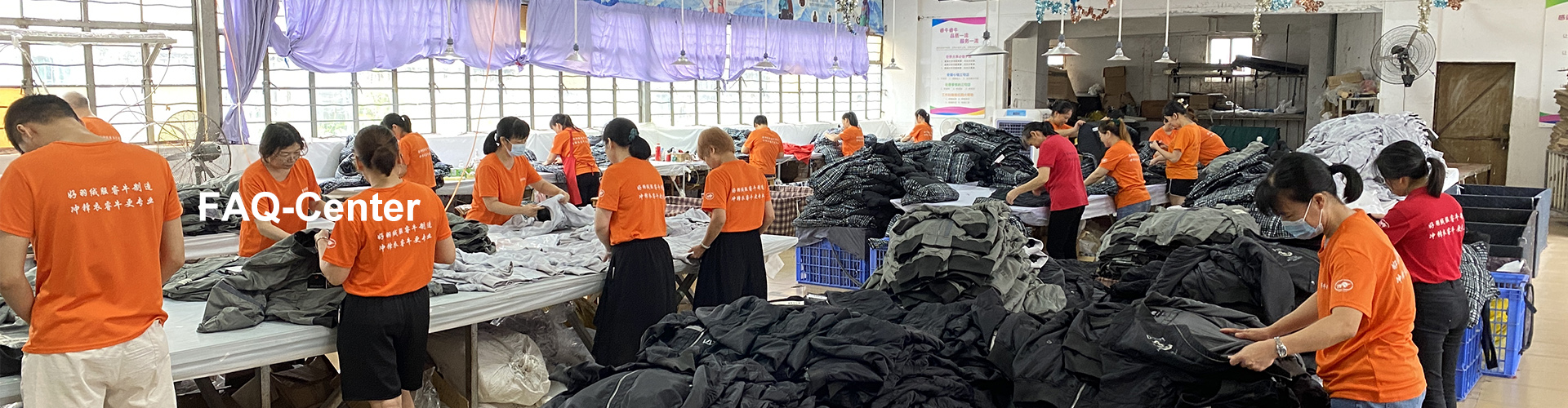

A fleece jacket company may be a fabric mill, a garment factory, a private-label supplier or a brand. For buyers developing their own collection, the important question is not who sells fleece jackets, but which factory can control fabric, fit, branding and repeat production.
Quick Answer
Choose a fleece jacket manufacturer that can document fabric weight and composition, control shrinkage and pilling, develop an approved fit sample, apply your labels or logo, and reproduce the same colour and measurements on later orders. Ask for records and samples rather than relying on a general claim that the supplier “makes fleece.”
A mill makes the fleece fabric. A garment factory cuts and sews the jacket. A trading supplier may coordinate several factories, while a retail brand owns the product and sales channel. Buyers seeking custom production should confirm which company will actually make the garment and where fabric testing, cutting, sewing and final inspection take place.
| Supplier type | Main role | Best for | What to verify |
|---|---|---|---|
| Fabric mill | Produces fleece fabric | Material sourcing | GSM, finish, colour and test reports |
| Garment factory | Develops and manufactures jackets | OEM and private label | Sample room, sewing, QC and capacity |
| Trading supplier | Coordinates outside factories | Broad mixed categories | Factory identity and responsibility |
“Polar fleece” is not a complete specification. State the fibre content, target GSM, face and back finish, stretch requirement, anti-pilling grade and intended climate. A lightweight midlayer, a workwear fleece and a sherpa-lined jacket use different materials and construction methods.
Pilling and size change are common causes of returns. Agree on the test method and acceptable result before bulk fabric is approved. For repeat programmes, keep an approved colour standard and record the fabric lot. A visual match under one light source is not enough for brand colours.
Fleece stretches and compresses during sewing. A capable factory controls neckline shape, zipper waviness, pocket alignment and seam bulk. Review a size-set sample rather than approving only one showroom size, especially when the range includes European or North American sizing.
Confirm woven labels, care labels, hangtags, embroidery, patches and packaging during development. Embroidery needs backing and a tested stitch density so the fleece does not distort. Wash-test the branded sample before authorising production.
Which fleece weights and finishes do you produce regularly?
Can you provide current fabric composition and performance reports?
How do you control shrinkage, pilling and zipper waviness?
What is the MOQ by style and colour, and how are sizes divided?
How are approved measurements and colours retained for repeat orders?
Approve the fabric quality, lab dip or colour standard, fit sample, graded measurements, logo sample, labels, packaging and quality checklist. The purchase order should refer to these approvals so the factory and buyer work from the same standard.
See RUINIU's custom fleece jacket range for OEM style references.
Send the intended wearer, fabric weight, colours, size range, branding artwork and order quantity. RUINIU can review the specification and recommend a practical sampling route.