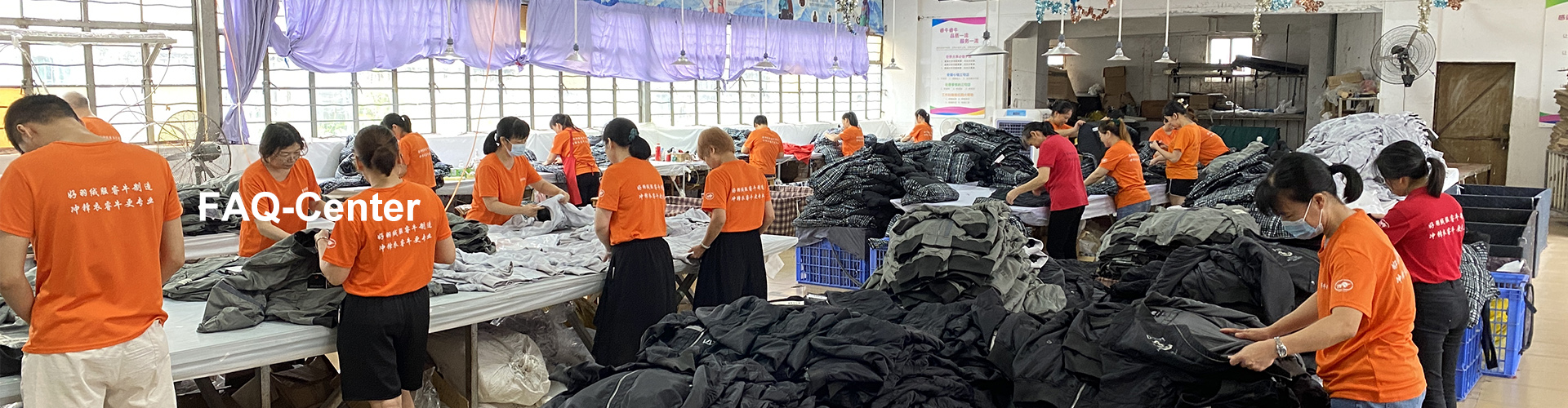

Down jacket manufacturing is a controlled process that connects insulation specifications, baffle design, shell materials, filling accuracy and workmanship. A warm sample is not enough: the factory must be able to repeat the approved fill weight, measurements and construction across bulk production.
Quick answer
A down jacket is made by approving the specification, testing materials, cutting the shell and lining, building the baffles, filling each chamber to a controlled weight, closing the fill openings, assembling the garment and inspecting the finished jacket. The critical controls are down quality, fill weight, fill distribution, down leakage, measurements and seam quality.
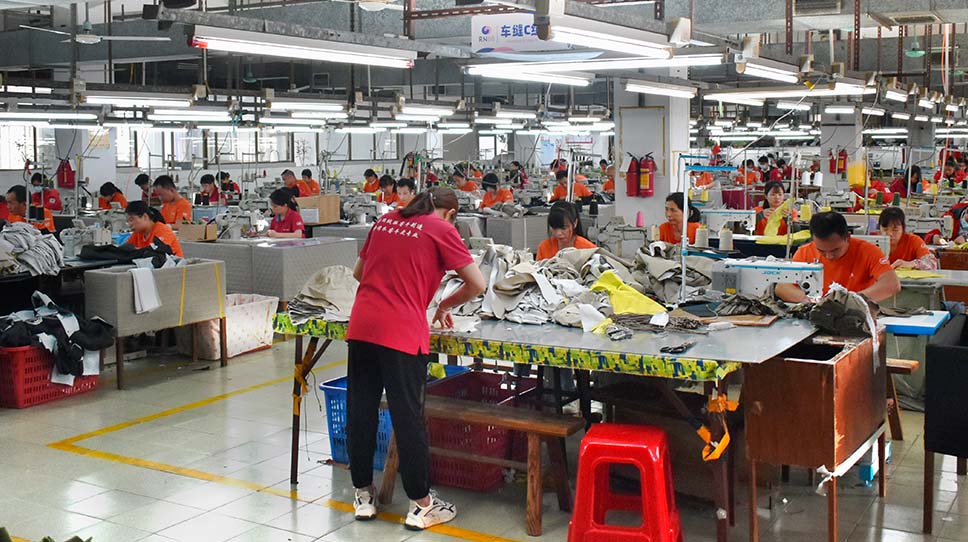
Performance comes from the complete system, not from one headline number. Fill power describes the loft of down under a stated test method, while fill weight is the amount used in the garment. Baffle shape controls how that insulation is distributed. Shell fabric, lining, cuffs, hem, hood and fit influence wind protection and heat loss.
A higher fill-power material can provide more loft for a given weight, but it does not automatically make one jacket warmer than another. Buyers need the fill power, fill weight by size, down composition, baffle map and finished-garment design together.
Duck and goose down can both be used in quality jackets. Species and color do not prove performance on their own. Specify the required down and feather composition, fill power, cleanliness or other applicable test requirements, and ask for documentation tied to the purchased batch.
Responsible-sourcing or recycled-content claims should be supported by valid documentation with the correct company, material and transaction scope. A logo on a website is not enough.
Lightweight nylon and polyester woven fabrics are common. The shell must balance weight, tear strength, abrasion resistance, appearance and downproof performance. The lining also needs a suitable construction because loose fibers can escape through either side of the garment.
A water-repellent finish can help the face fabric handle light moisture. If the product is sold as waterproof, the specification must also address the coating or membrane, seam construction, zippers and finished-garment testing. A down jacket is not automatically waterproof.
Zippers, snaps, elastic, drawcords, cord locks, labels and thread should be approved with the main materials. Low-temperature use can affect trim performance, so the end-use environment should be stated in the product brief.
| Stage | Main work | Key approval or control |
|---|---|---|
| 1. Product specification | Define use, fit, materials, insulation and construction | Controlled tech pack and measurement chart |
| 2. Sampling | Develop fit and construction samples | Written comments and sealed approval sample |
| 3. Material inspection | Check shell, lining, down and trims | Batch reports, shade and defect inspection |
| 4. Cutting and baffles | Cut panels and form insulation chambers | Panel accuracy and baffle dimensions |
| 5. Down filling | Fill each chamber to its target weight | Machine calibration and fill-weight records |
| 6. Assembly | Close fill openings and attach sleeves, hood and trims | Seams, measurements and functional parts |
| 7. Finishing and QC | Clean, loft, inspect and pack | Final inspection against approved standard |
The technical pack should define shell and lining, insulation, fill power, composition, fill weight by size, quilting map, measurements, tolerances, trims, labels and packing. Performance claims must be linked to a test method and acceptance level.
Early samples confirm shape, fit and construction. A pre-production sample should use approved bulk materials or clearly document any substitution. Weigh the complete sample and review fill distribution rather than judging warmth only by touch.
Shell and lining are checked for shade, width, weight and visible defects. Down documentation is matched to the purchase requirement, while trims are tested for appearance and function. Material problems should be resolved before cutting.
Patterns account for the finished loft and intended fit. Stitched-through quilting is light and efficient but creates compressed seam lines. Box-baffle or internal-wall construction can reduce cold spots but requires more material, labor and control. The design should match the intended temperature and price point.
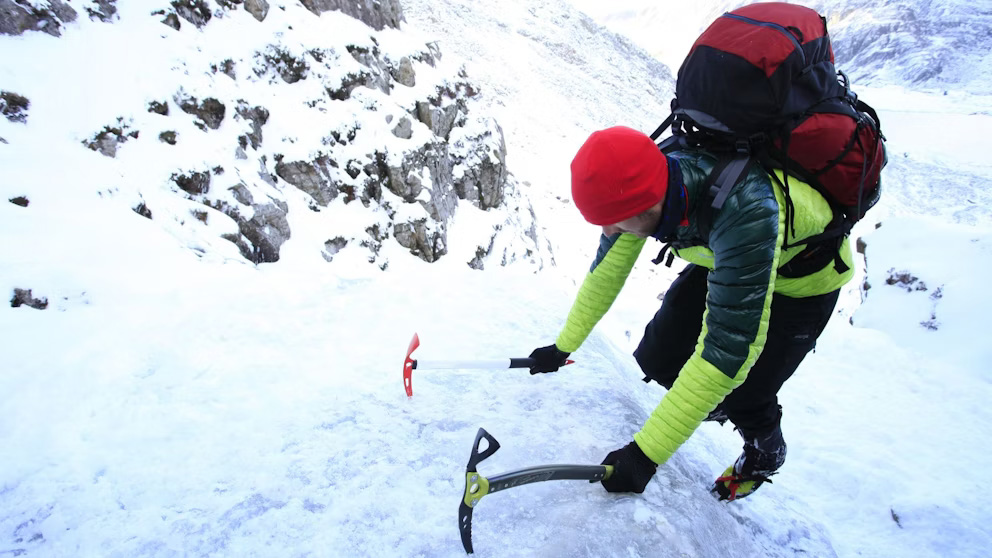
Each chamber has a target fill weight. Filling equipment must be calibrated, and operators need a clear sequence so no chamber is missed or overfilled. In-process checks compare actual weights with the specification. Consistency matters as much as the total amount.
Fill openings are secured before the main assembly continues. Sleeves, collar or hood, pockets, zipper, cuffs and hem are attached according to the approved construction. Needle size, stitch density and seam allowance should suit the lightweight fabric and leakage risk.
The finished jacket is cleaned and allowed to regain loft. Inspectors check measurements, appearance, fill distribution, loose down, stitching and trim function. Packing should avoid unnecessary compression and must follow the agreed carton and moisture-control requirements.
| Check | Why it matters | What to agree |
|---|---|---|
| Fill weight | Affects loft, warmth and cost | Target by size and tolerance |
| Fill distribution | Prevents empty or overfilled chambers | Baffle-level inspection method |
| Down leakage | Influences appearance and durability | Material and finished-garment test requirement |
| Measurements | Protects fit and size consistency | Measurement points and tolerances |
| Seams and quilting | Controls strength, appearance and leakage | Stitch standard and defect limits |
| Trim function | Confirms zippers, snaps and adjusters work | Functional test and sampling level |
Buyers should also define the inspection level, critical defects and corrective action before production. RUINIU's quality-control overview provides a useful starting point for that discussion.
Specifying fill power without fill weight: the factory still lacks the amount needed for each size.
Approving substitute sample materials verbally: changes may be repeated in bulk without a controlled record.
Using fabric that is not sufficiently downproof: leakage becomes visible after handling and wear.
Ignoring baffle-level filling: the total garment weight can pass while individual chambers remain uneven.
Compressing garments too early: packing before the jacket regains loft makes final inspection less reliable.
No. Compare verified fill power, composition, cleanliness, sourcing requirement and price. High-performing material can come from either species, depending on the specification and available grade.
Fill power measures loft under a defined method. Fill weight is the amount placed in the jacket. Both matter, along with baffle design, garment fit and the rest of the construction.
They select suitable shell and lining fabrics, control needles and stitching, minimize unnecessary punctures and inspect the finished garment. The acceptance method should be agreed before bulk production.
Yes, but the project needs a waterproof shell system, compatible seam construction and finished-garment testing. Standard quilt lines create needle holes, so waterproof down products require careful design rather than only a water-repellent face finish.
Timing depends on material availability, testing, sample rounds, order quantity and factory capacity. Confirm the schedule after the specification and materials are approved instead of relying on a generic lead-time promise.
Planning a custom down jacket program?
Review RUINIU's custom down jacket range and the down jacket customization guide. Send the intended market, size range, fill specification, quantity and delivery date for a project-specific review.