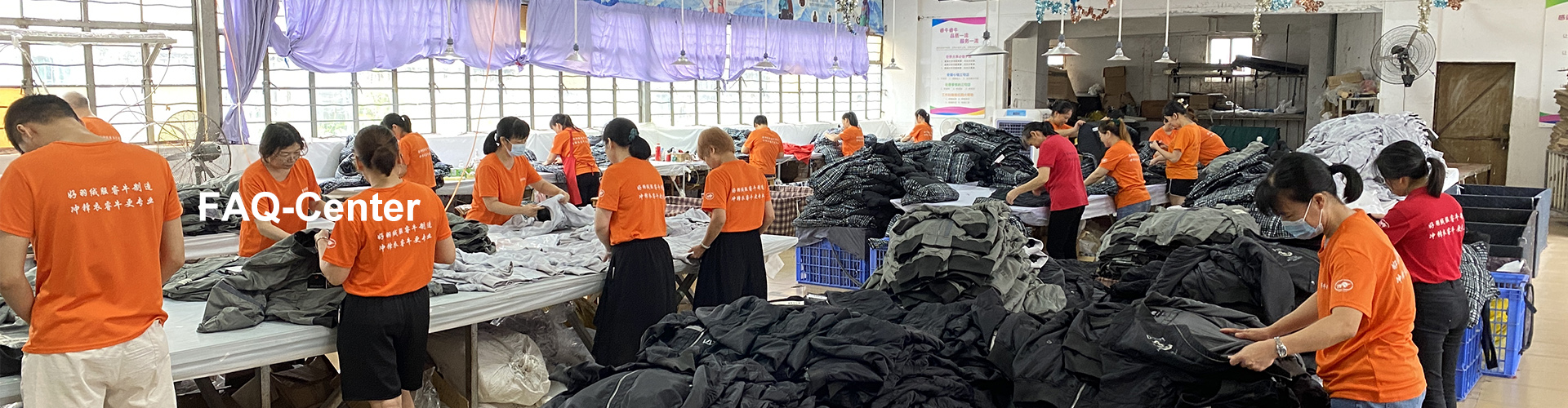

Most modern windbreakers are made from lightweight woven nylon or polyester. The shell may also have a durable water-repellent finish, coating or membrane, while mesh, tricot or lightweight fabric can be added as a lining.
The fibre name does not tell the whole story. Weave density, yarn size, fabric weight and finish determine how the jacket feels and performs. This material guide helps brands specify a windbreaker fabric for the intended climate, activity and price point.
Quick answer
Nylon is often chosen for a soft hand feel and good strength at low weight. Polyester is valued for colour stability, quick drying and broad sourcing options. Either fibre can make a good windbreaker when the fabric construction and finish match the required performance.
| Material | Typical qualities | Useful for |
|---|---|---|
| Nylon | Light, strong and often smooth or soft | Packable and performance-led shells |
| Polyester | Quick drying with good colour stability | Teamwear, promotional and everyday styles |
| Stretch woven | Added mobility and a closer fit | Running, cycling and active outdoor use |
| Recycled synthetic | Nylon or polyester made with recycled feedstock | Programs with documented material requirements |
Nylon can provide good tear strength for its weight and is available in crisp or soft finishes. Lightweight ripstop nylon is common in packable outdoor shells because the grid construction helps limit the spread of small tears. Taffeta and plain-weave versions can suit casual or uniform jackets.
The trade-offs depend on the exact fabric. Some nylon qualities absorb more moisture than polyester, and heat sensitivity should be considered during printing, pressing and care.
Polyester is widely used for windbreakers because it dries quickly, holds colour well and is available in many weights and constructions. It can be printed or dyed for branded collections, sports teams and promotional programs. A dense polyester weave can block wind effectively without making the garment heavy.
Ask whether the colour and finish will be achieved by piece dyeing, yarn dyeing or printing, as the method can affect minimums, appearance and colourfastness.
A windbreaker needs more than a synthetic fibre. Tight plain weaves reduce air passage, ripstop adds a reinforcement grid, and stretch weaves improve movement. Fabric weight affects packability, drape, durability and opacity. Very light materials may need careful seam and zipper construction to avoid puckering.
For a new style, review a fabric swatch and a finished sample. Hand feel and garment behaviour are difficult to judge from a data sheet alone.
A durable water-repellent finish helps light rain bead on the surface, but DWR alone does not make a jacket fully waterproof. A coating or membrane can increase water resistance, although breathability, hand feel, seam construction and cost may change. If waterproof performance is required, define a test method and consider whether seams need sealing.
For a broader explanation of the garment category, read what a windbreaker jacket is. Buyers planning an OEM order can use the windbreaker sourcing guide for supplier and production questions.
Unlined: lowest weight and compact packing, but the interior finish remains visible.
Mesh: improves next-to-skin comfort and can help manage moisture.
Tricot or taffeta: provides a smoother interior and covers seam allowances.
Light fleece: adds warmth but moves the garment toward a lined jacket rather than a simple wind shell.
Include these points in the material brief:
fibre content, construction and target weight;
required stretch and hand feel;
colour or print method;
DWR, coating or membrane requirement;
lining type;
test methods for wind, water, strength or colourfastness;
target market and care instructions.
Both can work well. Nylon is often selected for a soft, lightweight shell, while polyester offers broad options and good colour stability. Compare the actual weave, weight, finish and test results.
Many are water-repellent or water-resistant rather than waterproof. Waterproof performance normally requires a suitable barrier, controlled seams and a defined test standard.
Ripstop is a woven construction with stronger reinforcement yarns forming a visible or subtle grid. It is used to improve tear resistance without adding excessive weight.
RUINIU develops custom windbreakers for brands and wholesale programs. Share the use, climate, design, quantity and performance target so the material and construction can be reviewed together.