

Quick answer: Brands should not choose a waterproof, windproof and breathable jacket from climate alone. The product brief also needs to account for rainfall, wind exposure, temperature, activity level, wear time and the layers worn underneath. These factors lead to a more useful specification than one universal performance number.
| Climate or use | Main risk | Development priority |
|---|---|---|
| Warm and humid | Heat and internal moisture | Light construction, ventilation and comfortable lining contact |
| Cool and wet | Prolonged rain and wind | Reliable rain protection, seam sealing and hood coverage |
| Cold and dry | Heat loss and wind chill | Wind resistance, insulation strategy and room for layers |
| Cold, wet or snowy | Combined moisture and thermal load | Protective shell, controlled ventilation and compatible insulation |
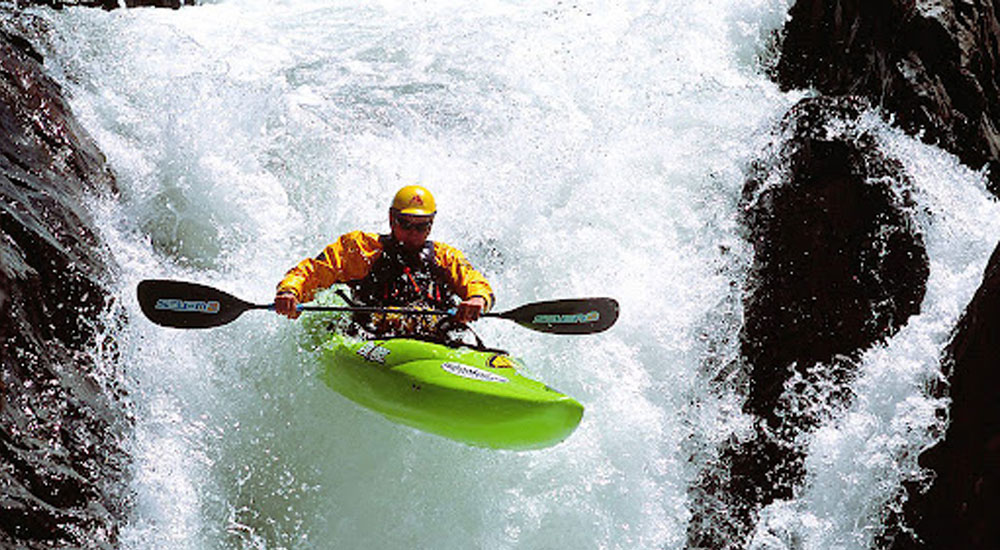
In humid climates, a heavy shell may keep rain out but still feel uncomfortable because heat and perspiration build up inside. Lightweight fabrics, mechanical ventilation, mesh contact areas and a pattern that allows air movement often matter as much as the membrane specification.
For commuters and travel collections, consider a packable shell with a clean hood and simple pocket layout. For active products, underarm or back ventilation may be useful, provided the openings do not undermine the intended rain protection.
When rain is regular and wear time is longer, the entire garment should be considered: face fabric, waterproof layer, seam tape, hood, front closure, cuff and hem. Buyers should state which seams need sealing and how finished samples will be evaluated.
A custom waterproof jacket for this market may use a lined or layered construction depending on comfort, durability and target price. The best option is the one that meets the agreed use case, not simply the highest available fabric rating.
Cold-weather products need a clear layering plan. A wind-resistant outer shell can work over fleece or insulation, while an insulated jacket combines layers in one garment. The choice affects fit, mobility, drying time, packing volume and how many seasons the product can serve.
Specify collar height, hood adjustment, cuff closure and hem control because exposed openings can make a warm fabric feel ineffective. If the wearer will move intensively, include a way to release excess heat.
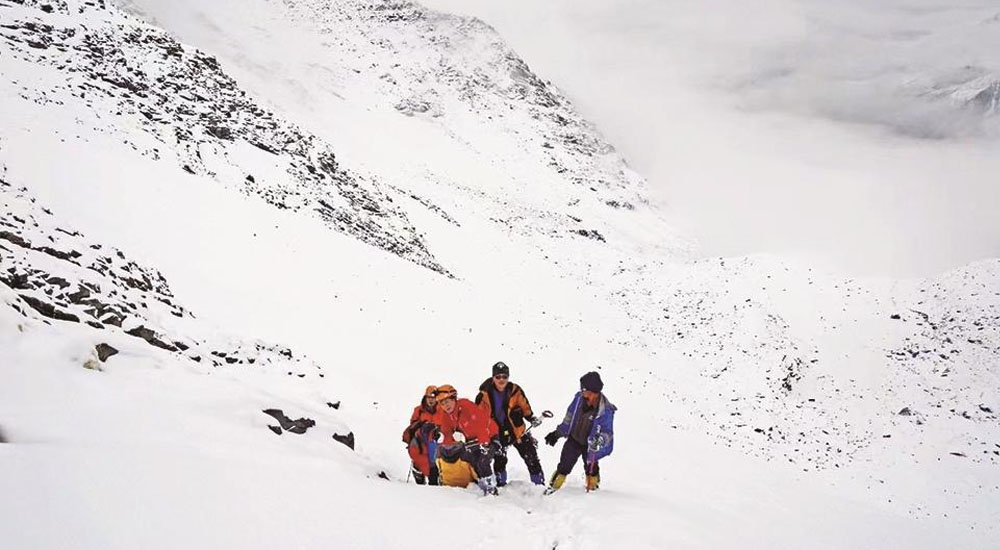
These products balance weather protection with moisture management. The shell must protect the insulation and the design must still allow movement. Reinforced wear areas, snow-management features and pocket placement may be relevant for ski or mountain use, but unnecessary additions raise cost and weight.
Define the user and activity.
Describe the expected weather and duration of exposure.
Choose shell-only, lined or insulated construction.
Agree on fabric and finished-garment tests.
Confirm sample fit while wearing the intended layers.
Review trims, seam tape and logo methods before bulk production.
Breathability is affected by the textile test method, garment ventilation, lining, fit and activity. Values from different test methods are not always directly comparable. Ask the supplier for the test basis and evaluate the complete sample under conditions close to the intended use.
RUINIU develops custom outdoor jackets for different climates and market positions. Share a technical brief or reference sample so the team can review fabric, construction and sampling options. All performance claims and production details should be confirmed for the individual project.