
Choosing an outdoor jacket OEM partner is not only a factory-audit decision. The supplier also needs an operating model that fits your order quantity, development calendar, technical requirements and quality-control process. A capable factory can still be the wrong partner if its material minimums, sample queue or communication system do not match your programme.
Quick supplier checklist: compare the MOQ basis, material sourcing route, sample stages, production capacity for your season, inspection plan, change-control process and commercial terms. Ask each supplier to quote from the same tech pack so price and lead-time differences can be understood.
Before contacting suppliers, define what the first order needs to prove. A startup testing one style has different priorities from a retailer building a seasonal range or a workwear buyer managing repeat replenishment.
Prepare a short sourcing brief covering jacket type, target market, expected quantity, number of colours, performance requirements, target launch date and required testing. This lets the supplier identify material constraints early instead of offering an attractive but incomplete estimate.
| Area | Question to ask | Evidence to request | Warning sign |
|---|---|---|---|
| MOQ structure | Is the minimum per style, colour or material lot? | Written quantity and colour breakdown | One number quoted before the specification is reviewed |
| Materials | Which fabrics and trims are stock, running or custom? | Supplier references, swatches and test reports | Brand names or performance claims without exact references |
| Sampling | Which sample stages are included? | Development calendar and approval list | A dispatch date with no material-readiness date |
| Production timing | When is capacity reserved and what starts the clock? | Milestone schedule with dependencies | A fixed lead time regardless of season or material |
| Quality control | Which checks occur before, during and after sewing? | Product-specific inspection plan | “100% quality” with no acceptance criteria |
| Communication | Who owns technical questions and approvals? | Named contact and sample comment format | Important changes agreed only in scattered chat messages |
| Commercial terms | What does the unit price include and exclude? | Itemised quotation and agreed Incoterm | A low price with unspecified packaging, testing or freight basis |
MOQ is often driven by fabric dye lots, custom trims and production setup rather than sewing capacity alone. Ask the factory to separate garment MOQ from the minimums imposed by the material supply chain. A lower garment quantity may still require the buyer to purchase excess fabric or accept stock colours.
For a first range, reducing the number of colourways and using approved running materials can be more effective than asking for a general “low MOQ.” Our guide to custom jacket MOQ in China explains how style, colour and size minimums interact.
A useful calendar shows more than “sample” and “bulk.” It should identify tech-pack review, material approval, first prototype, fit comments, testing, pre-production approval, bulk material arrival, cutting, inline inspection and final release.
Ask which tasks can run in parallel and which depend on buyer approval. A fast factory cannot recover time if the colour, zipper or fit remains undecided. The article on custom jacket sample lead time provides a stage-by-stage planning framework.
A generic final inspection is not enough for every outerwear programme. A fleece jacket may need close attention to pilling, dimensional stability and zipper waves. A waterproof shell adds laminate, seam-tape and leakage risks. An insulated jacket requires fill or sheet-insulation control.
The quality plan should name the material tests, measurement tolerances, workmanship defects, functional checks and sampling level agreed for the order. It should also state who can approve a deviation. If third-party inspection is required, agree on access, timing and the inspection standard before production.
Sampling reveals how the supplier handles incomplete information, technical conflicts and corrective action. Pay attention to whether questions are grouped clearly, substitutions are disclosed, measurements are recorded and comments are closed before the next round.
A polished sample does not prove the factory can repeat the result in bulk. Ask how approved details transfer from the sample room to purchasing, cutting, sewing and final inspection. The pre-production file should include the approved sample, measurement chart, bill of materials, colour standards, artwork and construction notes.
Two unit prices are not comparable until their assumptions match. Confirm fabric reference, colour count, size range, logo method, packaging, testing, order quantity, payment terms, Incoterm and validity period. Also ask how sample fees, tooling, laboratory tests and unused custom materials are handled.
A supplier that asks detailed questions may initially appear slower than one that sends an immediate price. In technical outerwear, those questions often prevent expensive changes after sampling begins.
A trial order should test the process, not only produce a small quantity. Define what success means: sample accuracy, on-time approvals, bulk material consistency, inline defect control, final inspection result and document completeness.
After shipment, score the supplier against the original plan. Record late decisions caused by the buyer separately from delays controlled by the factory. This creates a fair basis for repeat-order planning.
| Category | Suggested weight | What to score |
|---|---|---|
| Technical fit | 25% | Materials, construction, testing and problem solving |
| Quality system | 25% | Incoming, inline, final and corrective-action controls |
| Commercial fit | 20% | MOQ, transparent cost basis and payment terms |
| Delivery control | 15% | Realistic schedule, milestone visibility and recovery planning |
| Communication | 15% | Clear questions, change records and response ownership |
Adjust the weights to the project. A waterproof alpine shell may give more weight to technical capability, while a repeat corporate jacket may place greater weight on delivery and replenishment.
Tech pack or clearly marked reference sample
Target market and intended jacket use
Expected order quantity by style and colour
Size range and estimated ratio
Material and performance requirements
Branding, labels, trims and packaging
Required sample stages and testing
Target delivery window and destination
Commercial basis required for the quotation
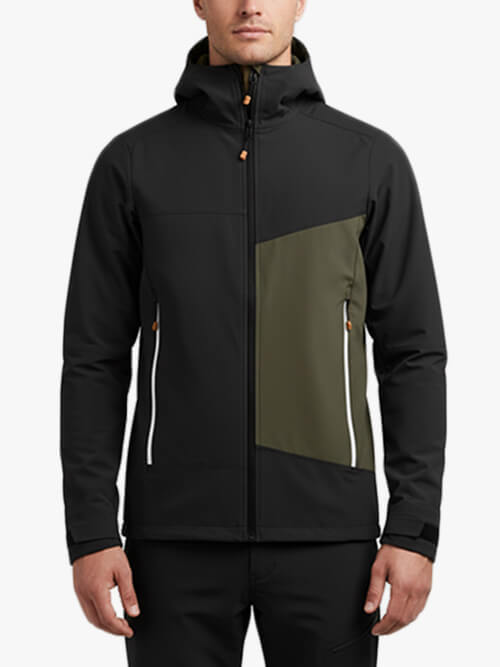
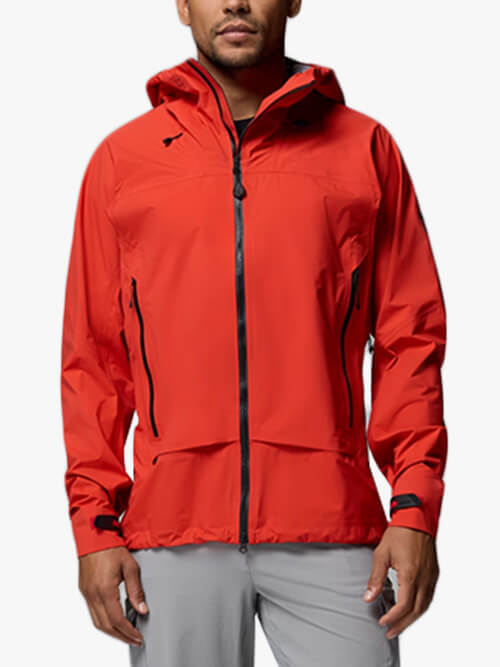
Explore the construction options on our custom outdoor jacket manufacturing page. For weather-protective products, review custom waterproof jackets and custom softshell jackets.
Not without checking the assumptions. Compare the same materials, quantity, testing, packaging, commercial term and quality requirements before evaluating price.
No. The sample is one unit made in a sample room. Bulk consistency depends on material control, production instructions, inline inspection and final acceptance.
Review the evidence first. Repeated undisclosed substitutions, missed corrective actions, unreliable scheduling or quality failures are stronger reasons than one isolated issue that is investigated and corrected transparently.