
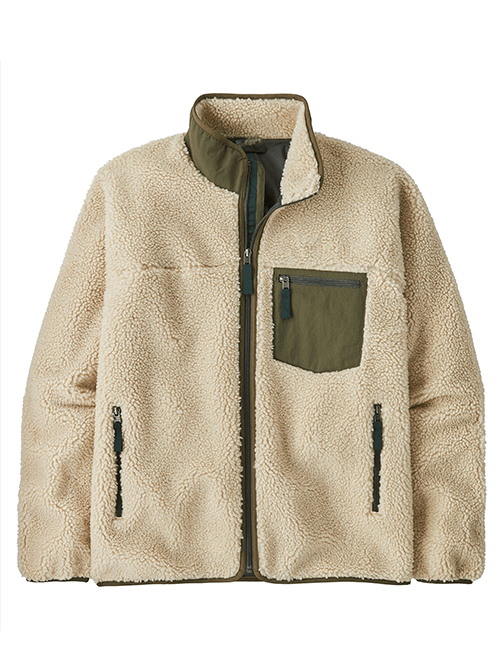
A custom polar fleece jacket should be specified by fabric weight, pile, brushing, anti-pilling finish, stretch, warmth, fit and intended layer position. “Polar fleece” alone does not tell a factory whether the brand needs a lightweight grid mid layer, everyday full-zip fleece or heavier outer layer.
Approve the actual fabric, colour and finish before the final sample. Similar-looking fleece can differ in recovery, pilling, shrinkage, shedding and surface appearance after washing.
Quick answer
For a custom polar fleece jacket, define composition, fabric weight, pile, brushing, anti-pilling performance, stretch, colour and intended layer before sampling. RUINIU can then match the pattern, seams, pockets, binding and branding to the approved material. MOQ starts from 100 pieces per style and colour; samples usually take 7–10 working days, with bulk production typically completed in 35–50 days after sample approval.
Before quotation, buyers should confirm the fabric, construction and delivery requirements in one brief. This gives the factory a clear basis for material selection, sampling and production planning.
| Item | What to confirm |
|---|---|
| Fabric | Composition, GSM, pile height, brushing, stretch, anti-pilling target and recycled-content requirement. |
| Construction | Full-zip or pullover, collar, pocket layout, binding, seam allowance and branding placement. |
| Schedule | Sample approval in about 7–10 working days; bulk production normally 35–50 days after approval, depending on materials and quantity. |
| Quality | Fabric shade and weight, pilling, shrinkage, measurements, zipper function, workmanship and final packing inspection. |
The approved swatch and sample comments are carried into the production file. Incoming fabric is checked before cutting, workmanship is monitored during sewing, and finished garments are inspected against the approved sample. Buyers can review the outdoor jacket factory production process, view the custom fleece jacket program, or request an OEM quote.
| Direction | Best for | Development focus |
|---|---|---|
| Lightweight fleece | Active layering and mild weather | Low bulk, recovery and breathability |
| Midweight full zip | Outdoor, travel and uniform ranges | Fit, pockets, collar and everyday durability |
| Heavy fleece | Warm casual layers and cold conditions | Seam bulk, structure and garment weight |
| Grid or stretch fleece | Technical active mid layers | Stretch direction, recovery and panel design |
Fabric weight helps describe warmth and bulk, but it does not explain pile density, yarn, brushing or backing. Record width, composition, construction, face and back, stretch and approved hand feel alongside weight.
Fleece surfaces experience rubbing at cuffs, elbows, seat belts and pack straps. Set an appropriate pilling test and review washed appearance. Shedding and dimensional change can affect both customer experience and final measurements.
The pattern should allow the intended base layer and fabric stretch. Thick fleece needs clean seam allowances at collars, pockets and cuffs. Stretch styles may use different seam and binding choices from stable midweight fleece.
Add woven reinforcement only where abrasion or structure requires it.
Stabilise zipper and pocket areas without making the jacket stiff.
Test embroidery backing against comfort and distortion.
Match transfers and patches to the fleece surface and care cycle.
Keep labels comfortable against the neck and side seam.
Approve fabric code, colour, hand feel and pile direction.
Check fit over the intended layer.
Review collar, zipper, pocket and cuff bulk.
Test pilling, shrinkage, colourfastness and branding durability.
Compare bulk fabric with the approved swatch.
Record care instructions from validated results.
View RUINIU's custom fleece jacket range for product directions.
Weight often contributes to warmth, but pile, density, construction, fit and wind exposure also matter.
Yes, subject to sourcing and performance. Verify composition and any certification claim against the exact material.
Stock colour availability, custom dyeing, fabric minimums, trims, colours and branding methods are common drivers.
Send RUINIU the intended use, fabric direction, features, quantity and target price. The team can prepare suitable polar fleece options for sampling.