
Outdoor jackets should be selected by weather, activity, layering and customer use—not by style name alone. Windbreakers, softshells, hardshells, insulated jackets and fleece each solve a different problem, and forcing one product to do everything usually creates poor trade-offs.
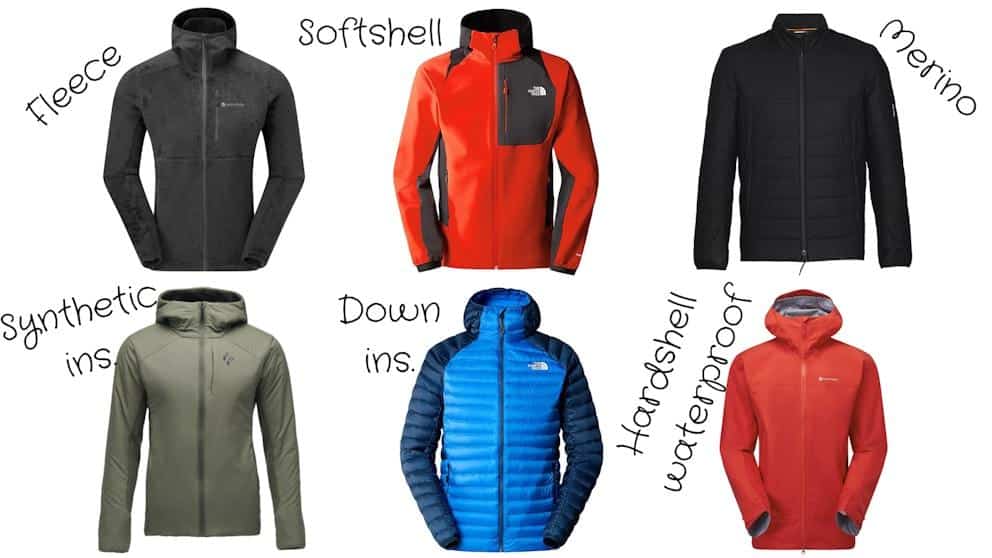
For brands, a clear product architecture helps prevent duplicate styles and confusing claims. Give every jacket a primary job, target climate and place in the layering system.
Quick answer
Use a windbreaker for light wind and packability, a softshell for movement and comfort, a hardshell for sustained rain, fleece for breathable warmth, and an insulated jacket for cold conditions. Final performance depends on the exact fabric and construction.
| Jacket type | Primary job | Best for | Main limitation |
|---|---|---|---|
| Windbreaker | Light wind and brief showers | Travel, running and everyday use | Limited warmth and rain protection |
| Softshell | Stretch, comfort and light protection | Hiking, work and active use | Usually not a full rain shell |
| Hardshell | Rain, wet snow and wind protection | Exposed hiking, ski and wet weather | Needs layering for warmth |
| Fleece | Breathable insulation | Mid layers and dry conditions | Low wind and rain protection |
| Insulated jacket | Warmth | Cold, low-output and winter use | Can overheat during high activity |
Temperature alone is not enough. Consider wind, rain, humidity, snow, activity level and exposure time. A wet coastal winter and a dry mountain winter require different outerwear even at a similar temperature.
Base layers manage next-to-skin moisture, mid layers add insulation and shells protect against weather. Some jackets combine roles, but buyers should state which layer is primary so fit and performance remain clear.
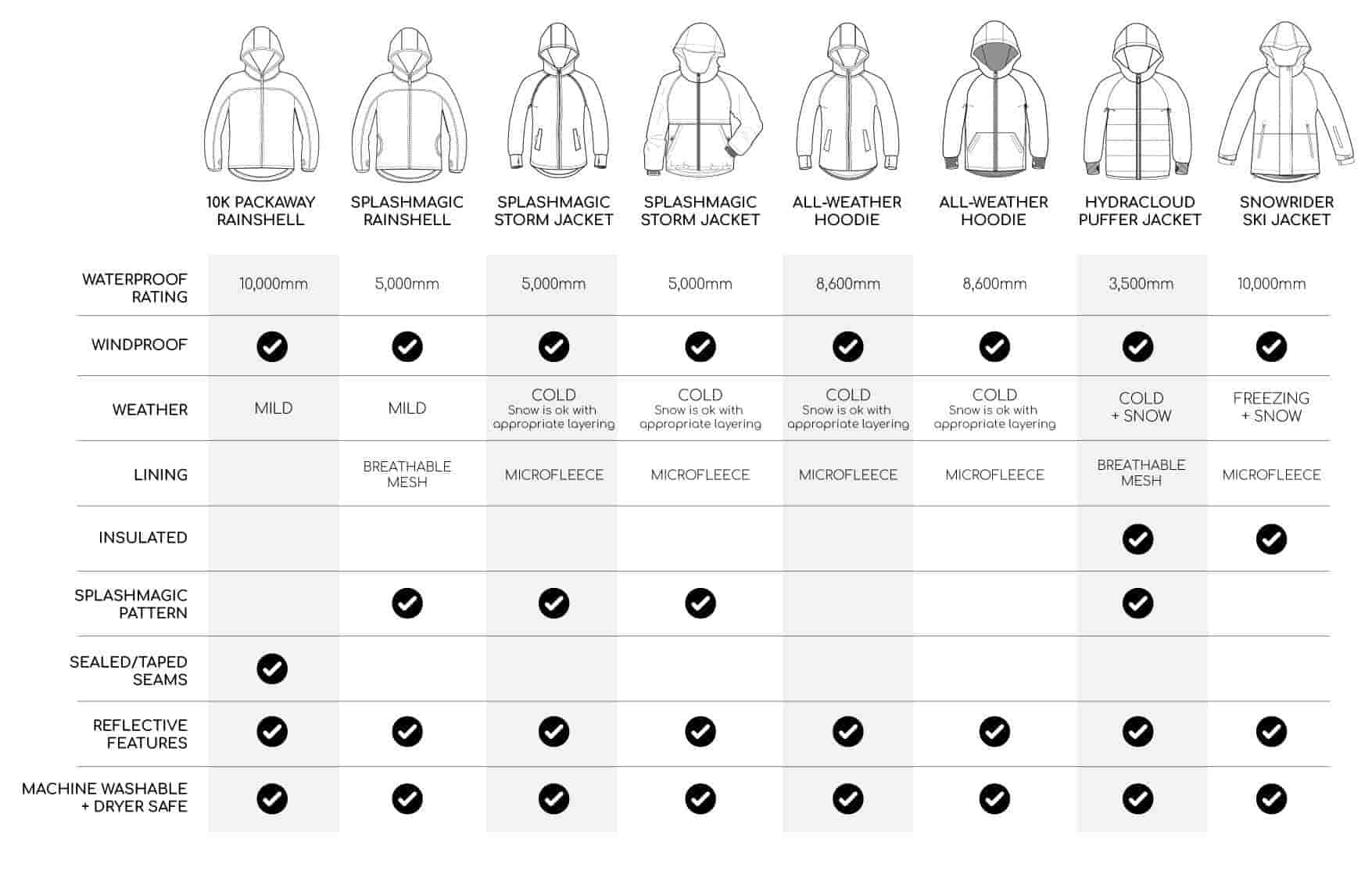
Helmet hoods belong on products intended for climbing or skiing.
Pack-compatible pockets matter for hiking shells.
Ventilation helps high-output users manage heat.
Glove-friendly pulls and cuff adjustment suit cold weather.
Reflective details need a real visibility purpose and correct placement.
Fabric decisions include fibre, weave or knit, weight, stretch, coating or membrane, backing and finish. Compare hand feel and performance on the intended construction. A higher specification is not automatically a better customer experience.
Assign one primary user and climate to each style.
State its position in the layering system.
Separate core features from optional details.
Set measurable claims and test methods.
Avoid two products with the same job and price point.
Use fit, colours and branding consistently across the range.
For shell selection, compare softshell and hardshell jackets.
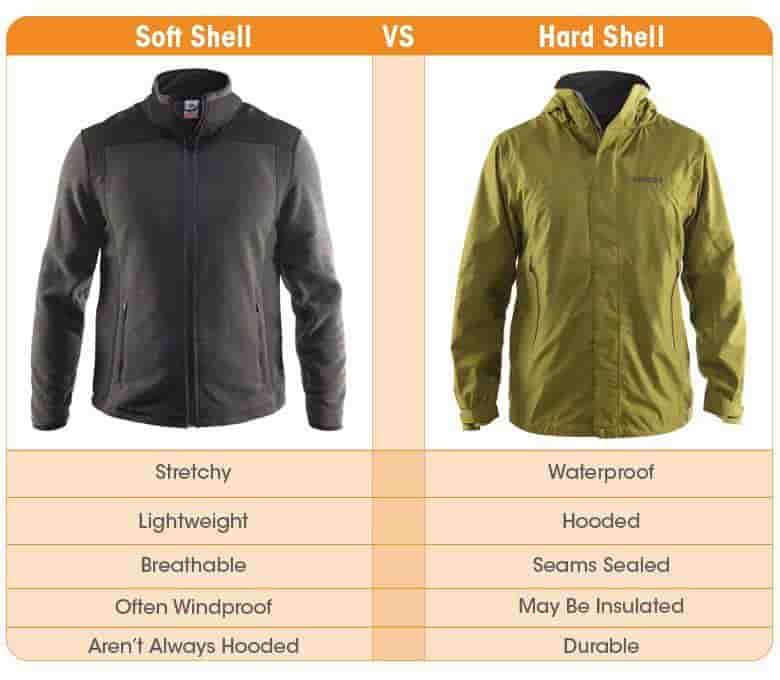
A versatile choice depends on the climate. Softshells cover many dry active situations, while hardshells are safer when rain protection is essential.
An uninsulated hardshell mainly provides weather protection. Warmth comes from layers or added insulation.
Start with a small range in which every style has a distinct job. This simplifies materials, sampling and inventory.
Share your target customer, climate, price points and product roles. RUINIU can review suitable jacket constructions for the range.