
Quick answer: A rain jacket is built for sustained wet weather, while a windbreaker is a lighter shell intended mainly to reduce wind chill. For a brand, the right choice depends on the expected weather, activity level, target price and the performance claims the finished garment must support.
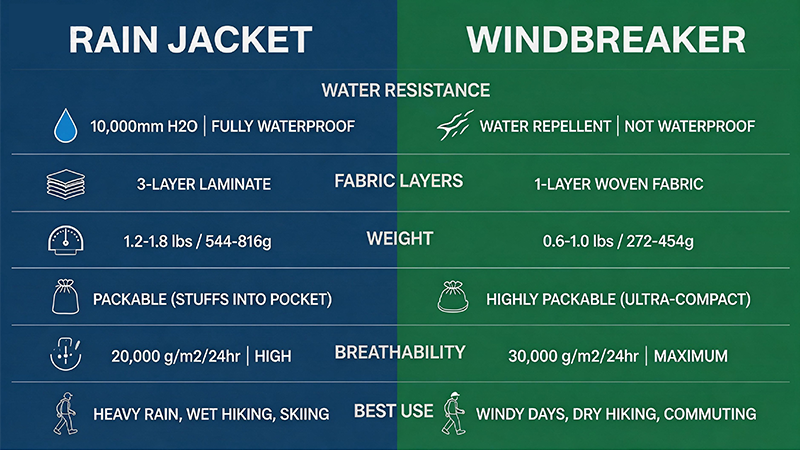
| Decision point | Rain jacket | Windbreaker |
|---|---|---|
| Primary job | Keep rain from entering | Reduce wind penetration |
| Typical construction | Coated or laminated shell with seam sealing | Lightweight woven shell, often one layer |
| Rain protection | Designed around a defined waterproof brief | Usually limited to light, short exposure unless specified otherwise |
| Best suited to | Hiking, fishing, commuting and wet climates | Running, travel, cycling and everyday layering |
A rain jacket is a weather-protection system rather than simply a water-repellent fabric. Its performance depends on the face fabric, coating or membrane, seam construction, zippers, hood coverage and finishing. A high fabric rating alone does not guarantee that the whole garment will resist rain.
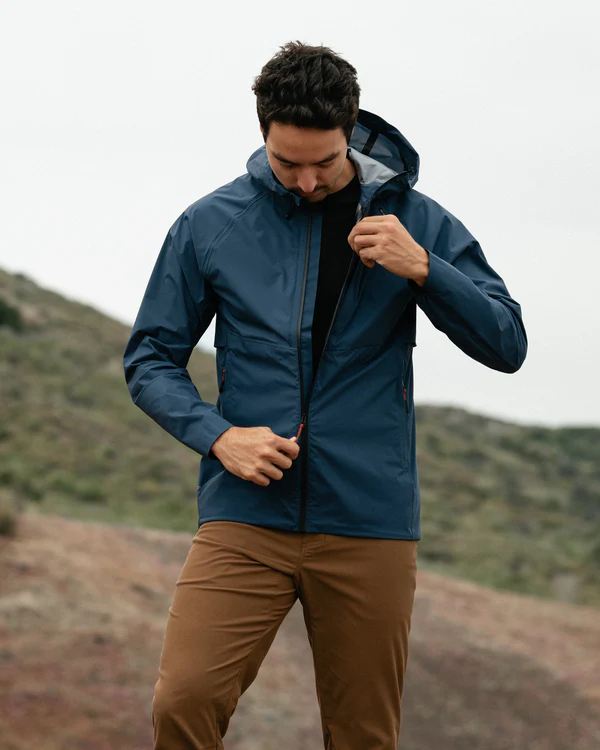
Before developing a custom waterproof jacket, a buyer should define the intended rainfall, wear duration, activity and test method. These details determine whether critical or full seam sealing is appropriate and how much ventilation the design needs.
A windbreaker prioritizes low weight, packability and comfort in moving air. Polyester and nylon woven fabrics are common, but fabric density, coating and air permeability can vary widely. Some styles use a water-repellent finish for brief drizzle; that does not make them equivalent to a waterproof rain shell.
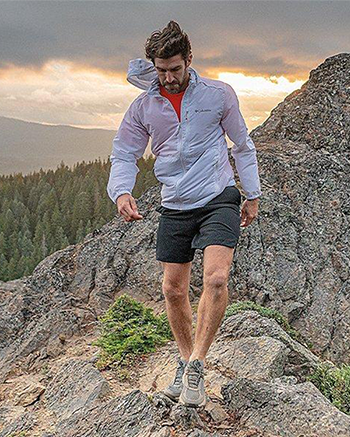
A custom windbreaker jacket is often the better starting point when the collection brief calls for an easy-to-carry outer layer, broad seasonal use or a lighter retail price position.
Choose a rain jacket when staying dry is the central promise. Choose a windbreaker when wind protection, portability and everyday versatility matter more. A range can include both, but each style should have a clear job and a separate specification.
Is the garment for light showers or prolonged rain?
Will the wearer be walking, running, cycling or standing for long periods?
Does the style need full seam sealing, critical seam sealing or neither?
What finished-garment tests will support the product claim?
Are packability, lining, hood structure or ventilation essential?
Which trims and logo methods must remain compatible with the shell fabric?
It can be developed with stronger rain protection, but adding a waterproof layer, sealed seams and protective trims changes the construction, feel and cost. At that point, the product may be better presented as a lightweight rain shell. Product naming should follow verified garment performance, not appearance alone.
Send your target use, reference style, size range, color plan and required performance to the manufacturer. RUINIU can review the brief and help compare suitable constructions for both custom outdoor jackets. Final specifications, testing and order terms should be confirmed for each project.