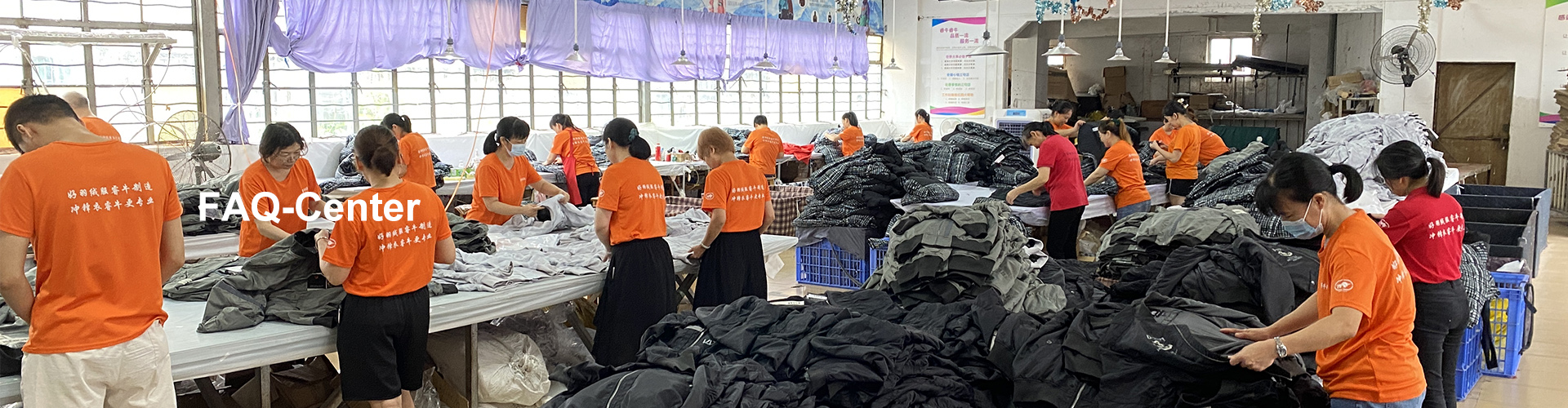

Customizing a printed fleece jacket starts with the fabric, not the artwork. Pile height, stretch, color and surface texture decide whether a print stays sharp, keeps its flexibility and survives the care cycle.
For brands and corporate buyers, the safest order of work is to pick the fleece, match the decoration method to the design, approve a decorated sample, and only then lock placement and color standards for bulk production.
RUINIU is a custom fleece jacket manufacturer in Foshan, China. The notes below cover the decoration decisions that are easiest to get wrong without a sample.
Quick answer
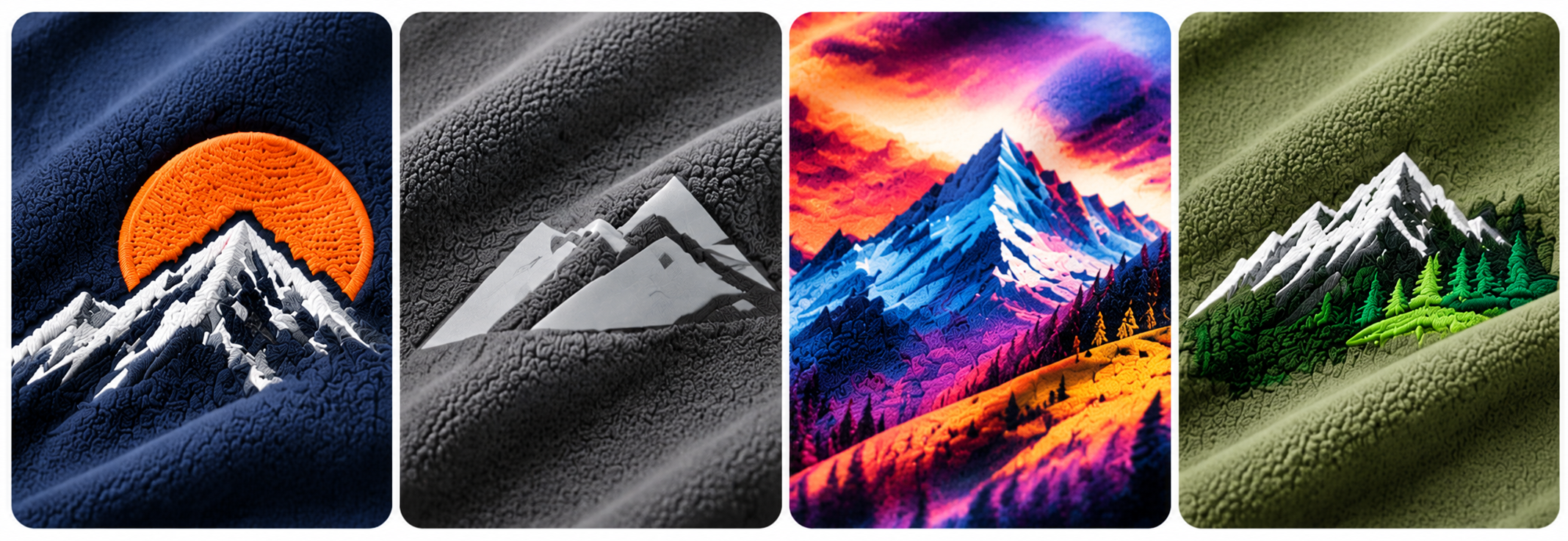
To customize a printed fleece jacket, confirm the fleece surface and stretch first. Then match the method to the artwork: screen or transfer printing for clean graphic areas, sublimation for suitable polyester and all-over designs, and embroidery for small premium logos. Approve a decorated sample on the actual fleece, then wash-test it before bulk production.
Decoration reacts to the surface it sits on. A smooth-faced microfleece takes fine graphics very differently from a high-pile or sherpa fleece, where ink and stitches can sink between the fibers. Brushed faces soften print edges, and stretch fabrics need decoration that moves without cracking.
This guide stays on the decoration side. For fabric choices and the full production route, see the fleece jacket manufacturing guide.
Send vector artwork where possible, plus the finished physical size, color references and exact placement. Say whether the design crosses a seam, a pocket or a zipper. Small text and thin lines often need adjusting for fleece, especially for embroidery or a textured face.
A flat artwork file says nothing about how a logo sits on a body. Measure placement from fixed garment points and write down a tolerance. Check it on the intended size first, then think about how it lands across the full size range.
Approve a strike-off or decorated sample made with the selected fleece, ink, film or thread. Look at color, coverage, edges, flexibility and the reverse side. If heat is involved, check for flattening, glossy marks or distortion around the decorated area.
On very high-pile fleece, a woven or embroidered patch sewn on can look cleaner than printing straight onto the surface. Ask for both on the real fabric if the logo matters.
Wash the approved sample the way the care label says, because that is how the customer will wash it. Keep the result as a physical reference so bulk inspection has something to compare against. The number of wash cycles is usually set by your own standard or your retailer's.
For a measurable approval record, specify the fleece composition and GSM, decoration size and placement, wash procedure and number of cycles, color change, staining, dimensional change, pilling and any peeling or cracking after washing. Use the buyer's agreed method and attach the report or approved sample.
These standards define test methods, not one universal pass limit for every fleece jacket. The acceptance limit should be agreed with the buyer and recorded on the approval sheet.
| Area | What to provide |
|---|---|
| Fabric | Fiber content or target hand feel, surface texture, stretch and care method |
| Artwork | Vector file, color references, finished size and placement |
| Garment | Jacket drawing, measurements, size range and zipper position |
| Decoration | Preferred method and desired finish |
| Testing | Wash method, peeling, cracking and color checks required |
| Order | Quantity by color and size and target market |
| Packing | Labels, hangtags, cartons and delivery requirements |
Yes, but the result depends on surface texture, pile and stretch. Test the ink system and artwork on the actual fabric before bulk production.
No. Sublimation is generally suited to compatible polyester fabrics and works best with an appropriate base color. Confirm fabric and heat suitability with a sample.
Choose according to artwork detail, desired hand feel, garment use, fabric texture and budget. A decorated sample provides the most reliable comparison.
Yes, and it is a common choice for chest logos. Fleece pile can swallow stitches, so factories usually add a stabilizer underneath and a water-soluble topping on the surface. Ask to see the logo stitched on your actual fabric.
It can, for detailed artwork and smaller runs. The risk is heat and pressure flattening the pile and leaving a glossy outline, so the press settings need testing on the real fleece. Check adhesion after washing, not just when new.
Embroidery with a topping, or a sewn-on woven or embroidered patch, usually holds up better than direct printing because ink has little flat surface to grip. Confirm with a sample.
A vector file such as AI, EPS or PDF, plus the finished size, color references and placement. Send a clean PNG as well if there is no vector version, but expect the factory to redraw it.
Wash the approved decorated sample using the method on the care label, then inspect it for peeling, cracking, color change, shrinkage and pilling. Keep that sample as the reference for bulk inspection.
Share your artwork, fleece direction, size range and order breakdown with RUINIU for a decoration and construction review. Explore our custom fleece jacket options.