
+86 18928650351
jacket3@ruiniufashion.com
EN
Frequently Asked Questions

What Factors Influence the Price of Down Jackets?

Jul 11,2026 2758

Why Two Down Jackets With the Same Fill Power Quote at Different Prices

One of the most common questions we receive from outdoor brands is why two down jackets with the same fill power can have completely different factory quotations.

Same fill power. Same weight. One quoted $38. The other quoted $67. Both quotations can be completely legitimate.

Fill power is one variable in a long list of cost factors. Brands that focus only on fill power when comparing down jacket quotes usually end up with expensive surprises at the sample stage.

Here is what actually drives the price difference.

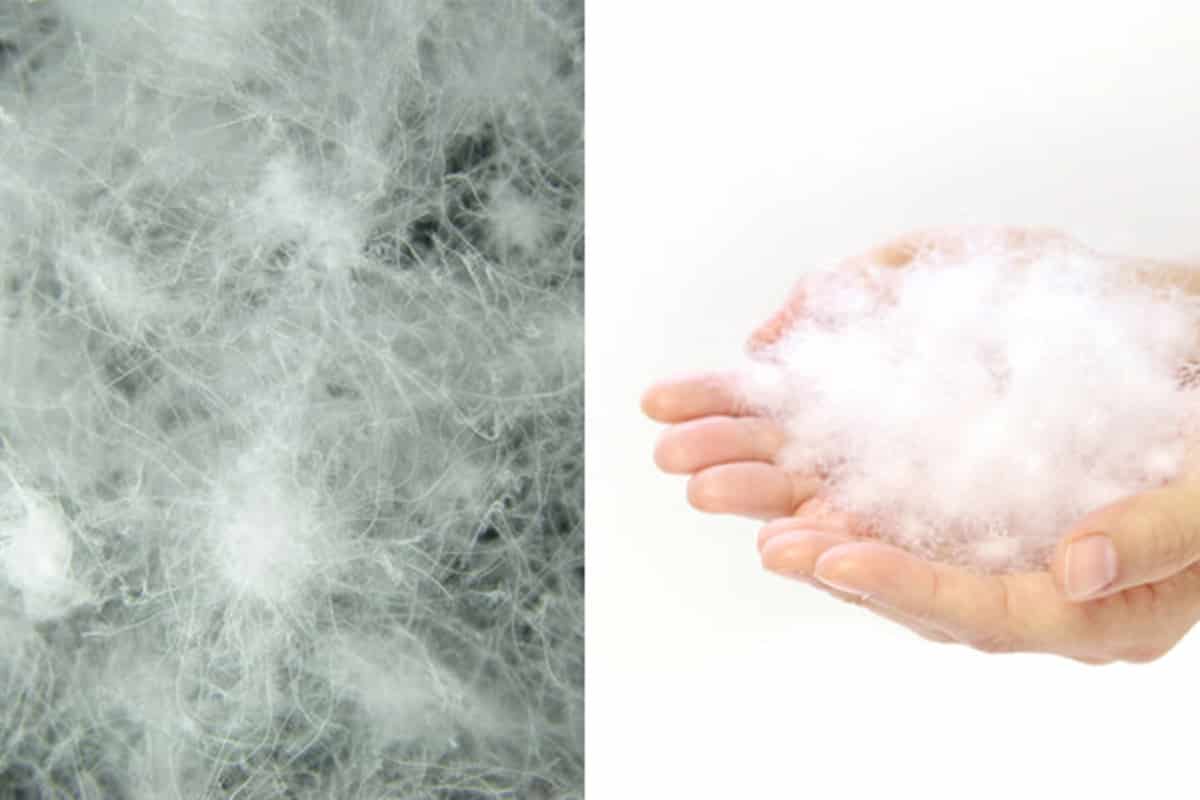
Down Fill Power and Filling Ratio

1. The Shell Fabric Decides More Than You Think

Most buyers assume down is the expensive part. In reality, the shell fabric often accounts for a larger share of the cost difference between two jackets — especially in the $40–$80 FOB range.

A basic 100% polyester ripstop shell costs significantly less than a 20D nylon with a PFC-free DWR finish and a TPU membrane. Both fabrics look similar in a spec sheet. The difference shows up in weight, packability, abrasion resistance, and how the jacket performs after 50 wash cycles.

What buyers should check in the fabric specification:

  • Fiber composition (polyester vs. nylon)

  • Thread count and fabric weight (gsm)

  • DWR treatment standard (fluorinated vs. PFC-free)

  • Membrane construction (no membrane / 2-layer / 2.5-layer / 3-layer)

  • Recycled content certification (GRS certified or not)

A 3-layer bonded nylon shell with GRS certification and PFC-free DWR can cost three to four times more than a standard polyester shell at the same weight. That difference goes directly into the FOB price.

Brands targeting the EU market increasingly need PFC-free finishes due to PFAS restrictions. This is not optional for European retail — it is a compliance requirement that affects fabric sourcing costs from the start.

2. Fill Power and Fill Ratio Are Two Different Numbers

These get confused constantly. They are not the same thing.

Fill power measures loft — how much space one ounce of down occupies. Higher fill power means lighter weight for the same warmth level. 800-fill goose down produces a more packable jacket than 650-fill duck down at the same thermal performance.

Fill ratio measures the percentage of down clusters versus feathers in the blend. A 90/10 ratio means 90% down clusters and 10% feathers. A 70/30 ratio is cheaper but provides noticeably less insulation and loses loft faster over time.

SpecificationPositioningTypical Application
Duck down 550fp / 70:30Entry-levelPromotional, corporate gifting
Duck down 650fp / 80:20Mid-rangeRetail winter jackets
Goose down 700fp / 90:10PerformanceOutdoor brand collections
White goose down 800fp / 90:10PremiumHigh-end lightweight technical

For most outdoor brands entering the $120–$180 retail price range, 700-fill goose down at 90/10 is the practical sweet spot. Going to 800-fill adds cost without a performance difference that most end consumers can detect in real-world use.

The fill weight per jacket also matters. A jacket with 120g of 700-fill down performs very differently from one with 80g of the same down. Spec sheets without fill weight figures are incomplete.

3. Construction Is Where the Real Cost Difference Hides

Two jackets with identical fabrics and identical down can have a $15–$25 cost difference based on construction alone.

The quilting pattern is the most visible factor. Sewn-through quilting is faster and cheaper to produce. Box baffle construction — where the inner and outer shell are connected by fabric walls rather than direct stitching — eliminates cold spots and requires significantly more labor and material.

Other construction factors that affect manufacturing cost:

  • Hood engineering — A simple fixed hood adds minimal cost. A helmet-compatible hood with a wire brim, adjustment system, and compatibility with technical climbing helmets requires pattern development and additional components.

  • Pocket construction — Internal Napoleon pockets with waterproof zippers and a chest harness pass-through cost more than basic hand pockets. For ski and alpine jackets, pocket placement needs to work with harness systems and backpack hip belts.

  • Seam sealing — Critically seamed jackets (seams at shoulders and hood only) cost less than fully seam-sealed construction. For buyers targeting wet-weather performance markets, this specification needs to be explicit in the tech pack from the beginning.

  • Down-proof lining — Cheaper lining fabrics allow down to migrate through the weave over time. A proper down-proof lining with a tight thread count is a non-negotiable specification for quality jackets.

  • Zipper specification — YKK AquaGuard waterproof zippers cost more than standard YKK zippers. Some factories substitute zipper brands without flagging it unless the spec sheet explicitly states the required brand and model.

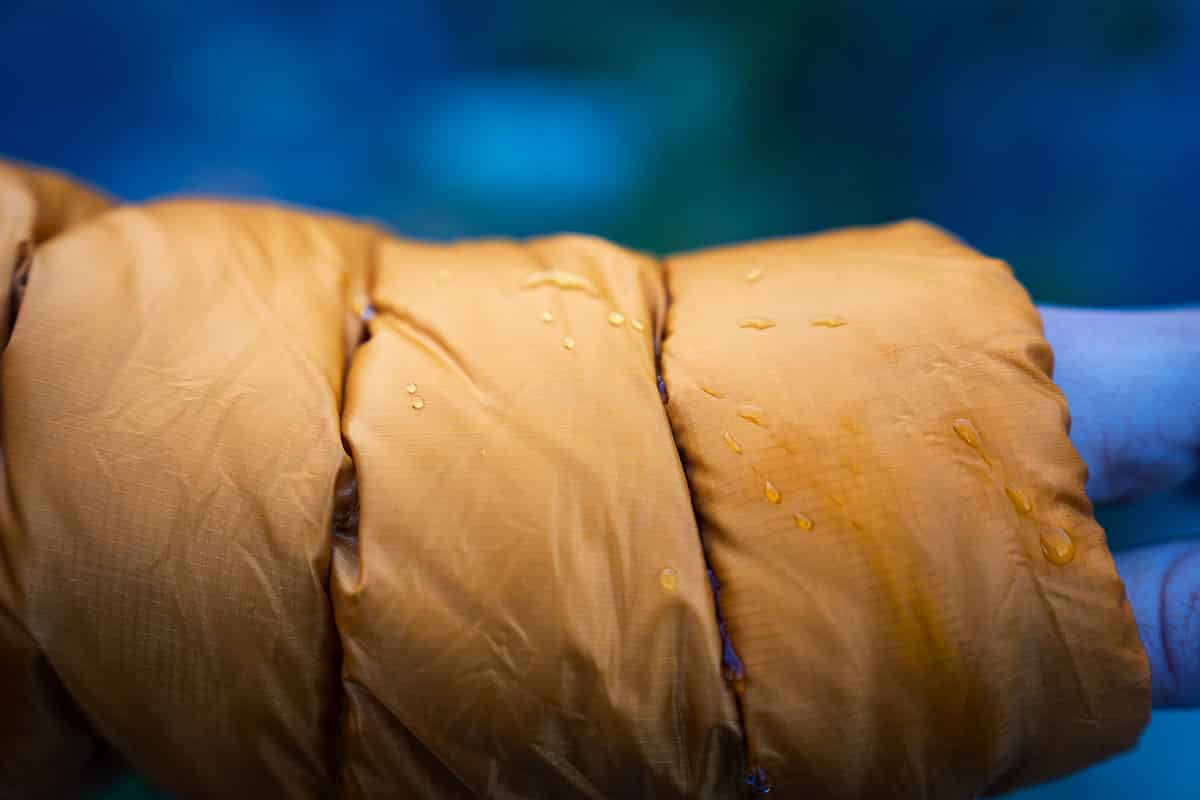
  • Custom Down Jacket Manufacturer

4. Customization Level Affects Development Cost, Not Just Unit Cost

Brands often calculate only unit price when comparing factory quotations. Development cost is a separate line item that affects the total project budget.

A brand developing a fully custom jacket from a new pattern requires:

  • Pattern development from scratch or significant modification of a base pattern

  • Multiple sampling rounds (typically 2–4 rounds before bulk approval)

  • Color lab dips for exclusive colorways

  • Custom woven labels, hangtags, and packaging development

  • Fit sessions if the brand has specific body measurements for their market

Working from a factory's existing base pattern reduces development time and cost significantly. For a first collection, adapting a proven base pattern while customizing colorways, logos, and select details is a faster and more cost-efficient path to market than starting from a blank page.

5. MOQ and Production Volume

Standard logic says larger orders mean lower unit prices. That is true for fabric and trim purchasing. It is less straightforward for production labor.

For technically complex jackets, the setup cost — pattern cutting, machine configuration, line training — is distributed across the order. A 500-piece order of a complex multi-panel alpine jacket may not cost significantly less per unit than a 200-piece order of the same style, because the setup cost is relatively fixed.

Where volume genuinely reduces cost:

  • Fabric purchasing (mill minimums and bulk pricing)

  • Trim procurement (zipper pulls, cord locks, labels)

  • Shipping cost per unit

Where volume has limited impact:

  • Skilled labor for complex construction

  • Pattern and sampling development

  • Quality inspection time per unit

At RUINIU Clothing, custom down jacket production starts from 100 pieces per style. For new brand partners, we recommend starting with a focused range — two to three styles with confirmed fit and fabric — rather than spreading a small budget across too many SKUs.

6. Testing and Compliance Requirements

This factor is often overlooked by first-time OEM buyers.

Brands selling into regulated markets — particularly the EU, UK, and North America — may require:

  • Down cluster content testing (IDFL or equivalent)

  • Fill power certification

  • Chemical safety testing (REACH, OEKO-TEX)

  • Care label compliance

  • Country of origin documentation

These requirements are standard for established outdoor brands and should be factored into the total sourcing budget from the beginning.

7. How Brands Can Control Down Jacket Manufacturing Costs

Brands can optimize costs without compromising product quality by:

  • Selecting fabric performance levels matched to the target retail price point

  • Balancing down fill power with actual end-use requirements

  • Simplifying construction details that do not affect core performance

  • Planning production timelines earlier to avoid rush surcharges

  • Consolidating colorways and styles to reach better volume thresholds

  • Working directly with manufacturers rather than through trading companies


Frequently Asked Questions

Q: Is goose down always worth the extra cost over duck down?

Not always. For jackets positioned below $100 retail, 650-fill duck down at 80/20 ratio delivers strong performance at a better cost structure. Goose down justifies its premium for lightweight technical jackets where warmth-to-weight ratio is a core selling point.

Q: What fill weight should I specify for a mid-season down jacket?

For a packable mid-layer jacket, 80–100g fill weight at 700 fill power is a practical range. For a standalone winter jacket in cold climates, 150–200g is more appropriate. Fill weight should always be specified per size in the tech pack.

Q: How many sampling rounds should I budget for a new custom down jacket?

Budget for three rounds minimum. First sample confirms pattern and construction. Second sample confirms fit corrections and color. Third sample is pre-production approval. More complex styles or strict fit requirements may require additional rounds.

Q: What is the standard production lead time for custom down jackets?

After sample approval, standard bulk production is 35–50 days depending on order quantity, fabric availability, and construction complexity. Brands targeting specific shipping windows should confirm fabric lead time with the factory before locking production dates.

Q: Can I request third-party quality inspection before shipment?

Yes. We support pre-shipment inspection by third-party agencies including SGS, Bureau Veritas, and Intertek at our Foshan factory. This is standard practice for brands with retail compliance requirements.

Q: Can you develop a down jacket from our own sample?

Yes. RUINIU supports OEM and ODM development based on tech packs, sketches, reference samples, or existing garments. Send us your reference and we will evaluate feasibility and provide a development quotation.

Q: Do you provide private label packaging?

Yes. We support custom labels, hangtags, poly bags, carton marks, and barcode placement for retail-ready delivery. Packaging specifications can be confirmed during the sample development stage.


The Right Question to Ask a Factory

Most buyers ask: "What is your best price for 700-fill goose down?"

A more useful question: "Here is my complete tech pack — what is your quotation based on these exact specifications, and where do you see risks in this design for production at my target volume?"

A factory that answers the second question in detail is worth having a longer conversation with.

RUINIU Clothing manufactures custom down jackets for outdoor brands, private label collections, and corporate programs. We work with brands from development stage through bulk production at our factory in Foshan, Guangdong.

Discuss your custom down jacket project →

OEM down jackets , custom down jacket , Down Jacket Manufacturer , Private Label Jacket ,

Related news

Your Name
Email Address
Your Message
As a collection of clothing design, production and service in one professional garment enterprise, Ruiniu Garment’s mission:To deliver premium quality apparel, achieve win-win growth with partners, and contribute to smart, comfortable clothing for all.

Quick Contact

  • Address3rd Floor, Xiyueqijian Complex Building,Leigang Community, Guicheng Subdistrict,Nanhai District Foshan,Guangdong,China
  • Phone+86 18928650351
  • Emailjacket3@ruiniufashion.com
  • WhatsApp+86 18928650351
© 2024 Foshan Ruiniu Clothing Co.,Ltd. All Rights Reserved. Privacy Terms & Conditions Sitemap
  • Address3rd Floor, Xiyueqijian Complex Building,Leigang Community, Guicheng Subdistrict,Nanhai District Foshan,Guangdong,China
  • Phone+86 18928650351
  • Emailjacket3@ruiniufashion.com
  • WhatsApp+86 18928650351
© 2024 Foshan Ruiniu Clothing Co.,Ltd. All Rights Reserved.
WhatsApp
Email
Inquire
TOP