
For outdoor brands developing a new jacket collection, choosing between softshell and hardshell is one of the first product decisions that affects cost, performance, and target retail positioning.
The answer is not about which construction is better. It is about which one fits your customer, their end use, and the price point you are building toward. Getting this wrong at the development stage means sampling a product that does not match your market — and restarting the process at significant cost.
Here is how manufacturers and brand developers think through this decision.
In production, softshell refers to a specific category of stretch woven fabrics — typically a bonded construction combining an outer face fabric, a mid-layer membrane or fleece backer, and sometimes an inner brushed lining.
Defining characteristics from a manufacturing standpoint:
Stretch: 4-way or 2-way mechanical stretch built into the fabric construction
Breathability: Higher moisture vapor transmission rate (MVTR) than most hardshell membranes
Weather resistance: DWR-treated face fabric with wind resistance, but not fully waterproof
Hand feel: Softer, quieter, more comfortable against base layers
Common softshell fabric constructions used in OEM production:
| Construction | Description | Typical Application |
|---|---|---|
| 3-layer softshell | Face fabric + membrane + inner knit | Technical alpine, ski touring |
| Bonded fleece softshell | Face fabric + fleece backer | Hiking, everyday outdoor |
| Stretch woven + DWR | Single layer with coating | Active sports, trail running |
| Hardface softshell | Durable face + bonded membrane | High-abrasion mountain use |
Fabric weight typically ranges from 280gsm to 380gsm depending on intended use and season.

A hardshell is defined by its waterproof-breathable membrane — either laminated between fabric layers or applied as a coating. The membrane provides a waterproof rating measured in millimeters of hydrostatic head.
Common waterproof ratings and their practical meaning:
| Rating | Protection Level | Typical Use |
|---|---|---|
| 5,000mm | Light rain, low intensity | Urban, casual outdoor |
| 10,000mm | Moderate rain, sustained activity | Hiking, skiing |
| 20,000mm | Heavy rain, high output activity | Alpine, expedition |
| 28,000mm+ | Extreme conditions | Technical mountaineering |
The tradeoff for waterproof performance is breathability. Even high-end membranes reduce moisture vapor transmission compared with softshell fabric at the same activity level. This is why experienced alpine users often carry both — softshell for active movement, hardshell for sustained precipitation.
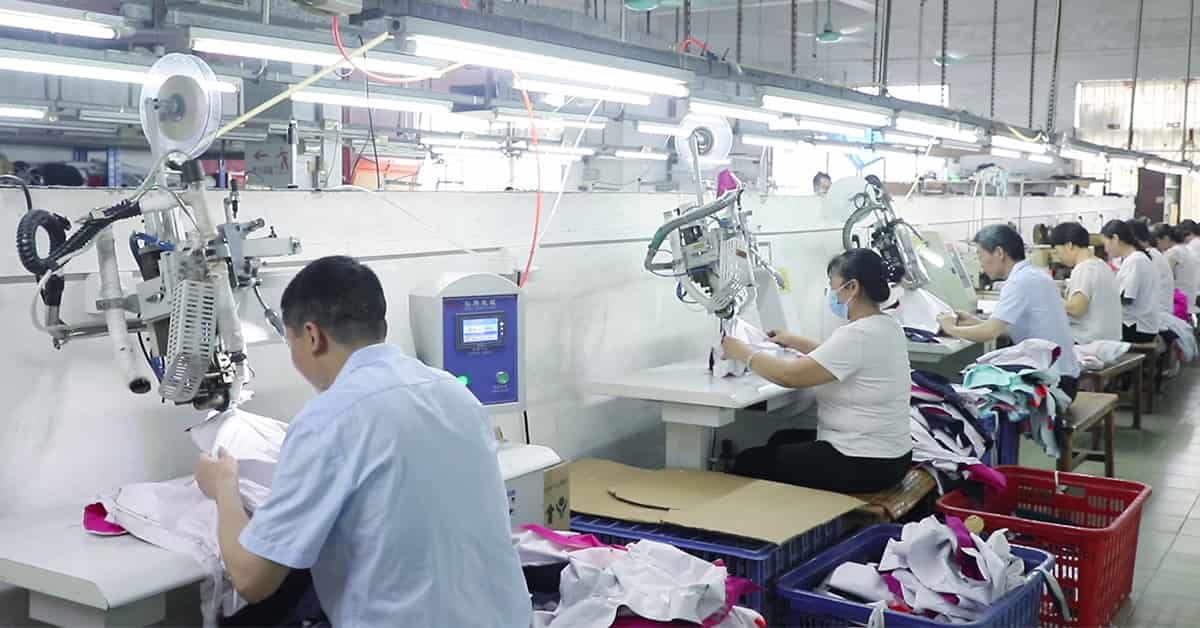
From a factory perspective, the choice between softshell and hardshell affects every stage of production — not just the finished product.
| Factor | Softshell | Hardshell |
|---|---|---|
| Fabric cost | Medium | Higher |
| Seam sealing | Optional | Required |
| Production complexity | Medium | High |
| Sample difficulty | Lower | Higher |
| Development risk | Lower | Higher |
| Sample lead time | 7–10 days | 10–15 days |
| MOQ flexibility | Higher | Lower |
| FOB price range (OEM) | $25–$65 | $45–$120+ |
| Target retail price | $80–$250 | $150–$600+ |
Seam sealing is the single biggest production cost difference. A softshell jacket does not require taped seams — the fabric construction handles weather resistance at the seam level. A waterproof hardshell requires at minimum critically taped seams, and premium versions require fully taped construction. This adds both material cost and production time.
For emerging outdoor brands, MOQ flexibility can determine whether a product launch is feasible. RUINIU supports custom softshell jacket production starting from 100 pieces per style/color, with hardshell MOQ discussed based on construction complexity.

Your customer is active. Softshell is the right choice for brands targeting hikers, trail runners, ski tourers, climbers on approach, or anyone who generates significant body heat during activity. The breathability advantage over hardshell is meaningful for high-output use in variable conditions — light wind, light rain, temperature fluctuations.
Softshell also suits brands targeting everyday outdoor lifestyle positioning. The stretch, comfort, and packability work well for commuting, travel, and casual outdoor use where full waterproofing is not a requirement.
Your customer faces sustained precipitation or extreme conditions. A hardshell is the right product for alpine brands, ski brands targeting lift-accessed resort skiing, and brands positioning at the technical performance end of the market.
Hardshell also makes sense if your target retail market is northern Europe, the Pacific Northwest, or other markets with extended wet seasons where waterproofing is a purchase requirement, not a preference.
A hardshell outer with a removable softshell or fleece inner covers both use cases in one SKU. This construction is particularly effective for corporate programs and brands targeting beginner outdoor consumers who want one jacket for multiple conditions.
This is where most first-time OEM buyers lose time. Incomplete specifications at the development stage lead to sampling rounds that fix problems which should have been resolved before the first prototype.
Fabric specifications:
Face fabric composition and weight (gsm)
Stretch direction (2-way vs. 4-way)
Bonding construction (face + membrane, face + fleece, face only)
DWR treatment standard (fluorinated vs. PFC-free)
Recycled content requirement (GRS certified or standard)
Construction specifications:
Paneling complexity (more panels = more labor = higher cost)
Underarm gussets or articulated patterning for mobility
Cuff construction (flat, ribbed, or technical with thumb loop)
Hood specification (fixed, removable, or helmet-compatible)
Pocket placement and zipper brand/model
Development process requirements:
Tech pack availability (completed or requiring factory development)
Number of prototype approval rounds budgeted
Fabric testing requirements (OEKO-TEX, REACH, BSCI)
Size range and grading specifications
Fit approval process (remote or in-person)
Retail readiness:
Packaging requirements (poly bag spec, carton marking)
Barcode placement and format
Care label compliance for target market
Country of origin documentation
Confirming these specifications before sampling begins is the difference between two rounds and five rounds. Every unconfirmed detail becomes a revision in the sampling process.

For brands building their own outdoor collection under a private label, a custom softshell jacket development typically involves:
Fabric selection — choosing construction, weight, and performance standard for the target market
Pattern development — new pattern from scratch or modification of factory base pattern
Logo application — embroidery, heat transfer, woven patch, or rubber label
Custom woven labels — brand label, care label, size label
Hangtag design — retail presentation and product information
Retail packaging — poly bag, tissue paper, carton specification
Barcode placement — EAN/UPC barcode positioning for retail scanning compliance
For brands at the early stage, starting with a factory base pattern and focusing customization on colorways, logo, and labels reduces development cost and timeline significantly. As order volumes grow, full custom pattern development becomes more cost-effective.
A bonded softshell with a waterproof membrane and taped seams can achieve 10,000mm+ ratings. However, at that construction level, cost and weight approach hardshell territory, and the breathability advantage of softshell fabric is partially reduced. Most brands keep softshell and hardshell as separate product lines for this reason.
MOQ for custom softshell jackets starts from 100 pieces per style/color. For brands developing multiple colorways in the same style, consolidated MOQ arrangements can be discussed.
Standard softshell sampling takes 7–10 business days from confirmed tech pack. Styles requiring custom fabric development or significant pattern work may require 12–15 days for first samples.
Yes. We work with recycled polyester and GRS-certified softshell fabrics for brands with sustainability requirements. PFC-free DWR finishes are available across most fabric constructions we use.
Yes. RUINIU supports full OEM and ODM development based on tech packs, sketches, reference samples, or existing garments. Send us your reference and we will evaluate feasibility and provide a development quotation.
Yes. We provide custom labels, hangtags, poly bags, carton marks, and barcode placement for retail-ready delivery. Packaging specifications are confirmed during the sample development stage.
Yes. We support pre-shipment inspection by SGS, Bureau Veritas, and Intertek at our Foshan factory. This is standard practice for brands with retail compliance requirements.
Brands that spend weeks debating softshell vs. hardshell usually have the same underlying question: what does my customer actually need?
A hiking brand targeting four-season trail use needs softshell. A ski brand targeting lift-accessed resort skiers needs hardshell. A corporate program needing one jacket for employees in varied climates needs a 3-in-1.
Start with the end use. The right construction follows from there.
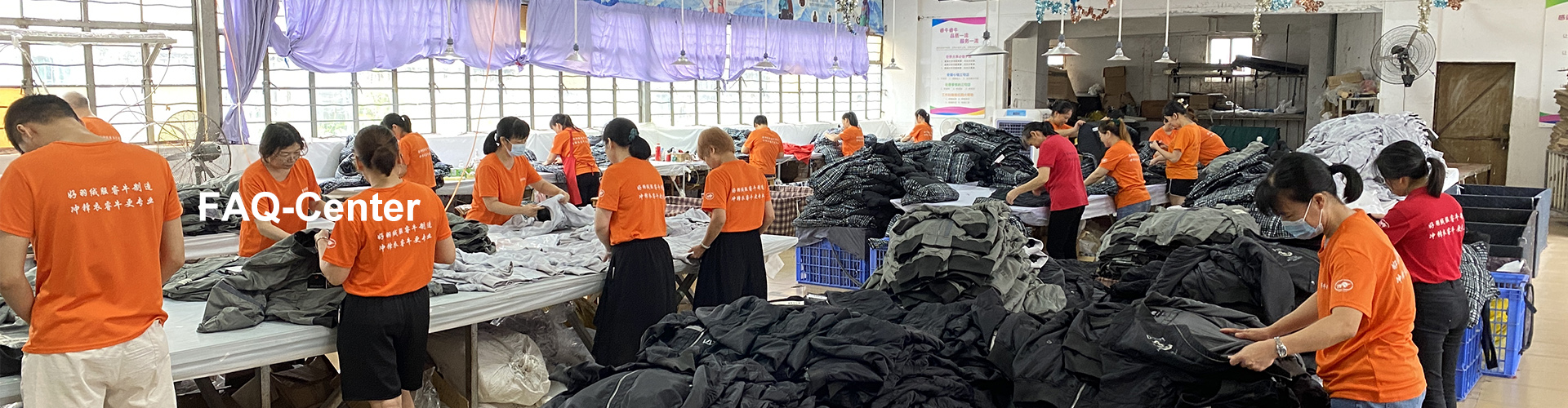
RUINIU Clothing manufactures custom softshell and hardshell jackets for outdoor brands, private label collections, and corporate programs. Our OEM and ODM services cover development from initial concept through bulk delivery.