
Quick answer: Fleece jacket manufacturing starts with the intended use and fabric specification. Weight, surface finish, stretch, warmth, pilling resistance and garment construction all affect the finished product. A buyer should approve the fabric and a fitted sample before confirming bulk production.
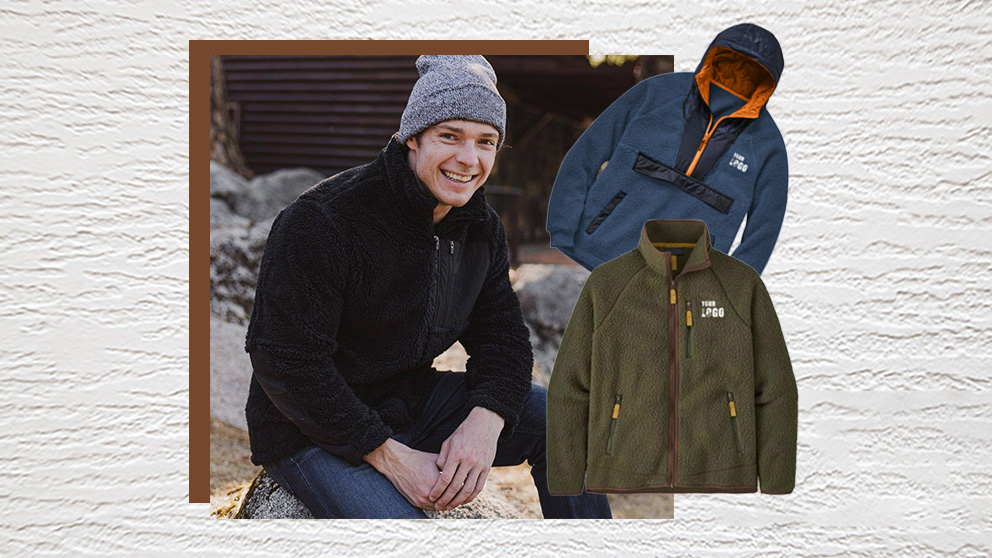
Fleece usually refers to a knitted fabric with a raised, brushed or pile surface that traps air and provides warmth. Polyester is common in outdoor fleece because it can be lightweight and quick drying. Cotton-rich fleece has a different hand feel and is often chosen for casual or lifestyle garments. Blends and stretch constructions can be developed for specific comfort and mobility needs.
| Fleece type | Typical character | Common product direction |
|---|---|---|
| Microfleece | Light and easy to layer | Active mid-layers and travel pieces |
| Midweight polar fleece | Balanced warmth and bulk | General outdoor and workwear jackets |
| High-pile or sherpa fleece | Textured, warm appearance | Lifestyle outerwear and linings |
| Stretch fleece | Closer fit and greater mobility | Climbing, hiking and active layers |
Fabric weight: GSM helps describe the material but does not determine warmth by itself. Fiber, knit, density, pile and finishing also matter.
Surface and hand feel: Decide whether the face should be smooth, brushed, anti-pilling, high pile or bonded. Review a physical swatch rather than relying only on a name.
Performance requirements: Pilling, colorfastness, dimensional stability, stretch recovery and abrasion requirements should match the market and care instructions.
Color and shade control: Approve lab dips or available colors and discuss how shade will be controlled across fabric lots.
Responsible-material requests: If recycled content or a particular certification is required, state the documentation needed at the start of sourcing.
Product brief: Define fit, use, target fabric, trims, colors, size range and branding.
Material review: Compare available swatches or develop a fabric that fits the brief.
Pattern and sample: Check silhouette, mobility, pocket position, collar and zipper behavior.
Pre-production approval: Confirm the final fabric, color, trims, labels, measurements and workmanship standard.
Bulk production and inspection: Control cutting, sewing, finishing, measurement and packing against the approved sample.
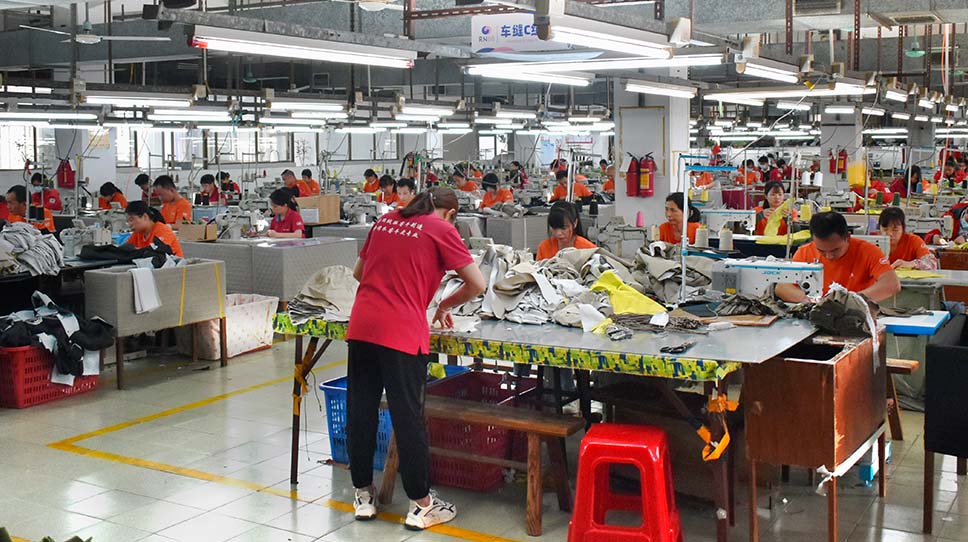
Fleece can stretch or shift during sewing, so seam choice, feed control and pattern preparation affect the final shape. Zipper fronts need careful stabilization. Pocket bags and bindings should not distort the garment. High-pile fabrics also need attention at seam allowances so trapped fibers do not create an untidy finish.
Selecting fabric by GSM alone without reviewing density and surface.
Approving color digitally without a physical standard.
Adding embroidery or heat-applied branding before testing it on the chosen pile.
Ignoring shrinkage or stretch recovery when setting measurements.
Using the same fit allowance for a thin mid-layer and a bulky outer fleece.
Polyester polar fleece is commonly used for outdoor layering, while cotton-rich fleece often suits casual collections. Read the detailed polar fleece vs cotton fleece comparison before choosing a fabric direction.
RUINIU supports fabric selection, sampling and bulk production for custom fleece jackets. Send your tech pack, reference garment or product brief for a project-specific review. Material availability, testing, MOQ and timing should be confirmed after the specification is clear.