
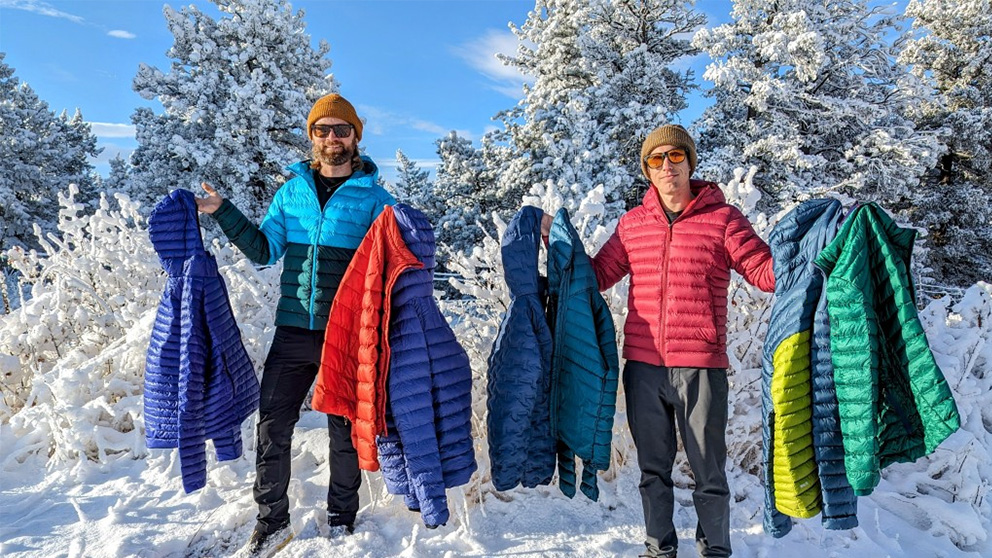
The best winter jacket for extremely cold weather is the one that matches the actual conditions: temperature, wind, moisture, activity level, exposure time and the layers worn underneath. A heavy jacket can still feel cold if wind enters at the hood, cuffs or hem, while an over-insulated jacket can become uncomfortable during active use.
Quick answer
For dry, severe cold, look for high-loft insulation, a wind-resistant shell, well-designed baffles, an insulated hood, secure cuffs and enough length to protect the torso. For wet cold or repeated melting snow, moisture management becomes just as important as insulation. Do not compare jackets by a temperature label alone unless the test conditions and clothing system are explained.
There is no universal comfort temperature that applies to every winter jacket and every wearer. Metabolism, wind, humidity, sun, activity and base layers all change how warm a person feels. A rating based on walking is not directly comparable with standing still, and dry cold is different from wet, windy conditions.
Use temperature claims as one piece of information, not as the whole decision. Ask what test method or wear trial supports the claim, which layers were used and whether the number represents comfort, a lower limit or emergency survival.
Down offers high loft at a relatively low weight and packs efficiently. Synthetic insulation can be easier to manage in damp conditions and may suit workwear or repeated-wash programs. Neither choice is automatically warmer; the insulation amount, construction and complete jacket design matter.
For down, fill power describes loft under a stated method, while fill weight is the amount placed in the jacket. Both must be reviewed. Baffle design should keep insulation distributed across the chest, back, shoulders, sleeves and hood without obvious empty areas.
Moving air can remove heat quickly. A tightly constructed shell, secure front closure, storm flap, adjustable hood, close cuffs and an adjustable hem help reduce wind entry. The fabric result alone does not describe the finished jacket because openings and fit also matter.
Light snow and dry cold require a different shell from prolonged wet snow or rain. A water-repellent finish can handle light surface moisture, but sustained rain needs a waterproof construction with suitable fabric, protected seams and compatible zippers.
Longer hems protect more of the body when standing or commuting. An insulated hood, high collar and draft protection around the waist reduce exposed areas. Short jackets allow easier movement but may need bibs or insulated trousers in severe conditions.
A cold-weather jacket should allow appropriate base and mid-layers without compressing the insulation. Excessive volume can create gaps and make movement awkward. Check mobility at the shoulders and elbows with the intended clothing system underneath.
Large zipper pulls, accessible pockets, simple hood adjustments and secure closures are easier to operate in cold conditions. Small design decisions become important when the wearer has limited dexterity.
| Factor | Down | Synthetic insulation |
|---|---|---|
| Warmth-to-weight | Can provide high loft at low weight | Varies by fiber and construction; often needs more bulk |
| Damp conditions | Needs protection from moisture and careful drying | Often selected where damp use and easy care matter |
| Packability | Usually compresses efficiently | Depends on insulation type and weight |
| Care | Requires correct washing and thorough drying | May suit frequent-care programs, subject to testing |
| Specification | Fill power, composition and fill weight | Insulation type, weight and loft or thermal data |
| Use case | Priorities | Questions to ask |
|---|---|---|
| Low-activity urban use | Warmth, coverage, wind protection and practical pockets | Can it fit normal layers without restricting movement? |
| Active hiking | Low weight, ventilation and layering flexibility | Will the jacket overheat during steady movement? |
| Wet cold | Moisture protection, drying and dependable closures | Is the complete garment waterproof or only the fabric? |
| Dry severe cold | High loft, wind protection and full coverage | How are insulation weight and baffle distribution controlled? |
| Outdoor work | Durability, visibility, glove-friendly details and care | Which safety and durability standards apply to the market? |
Define temperature range, wind, precipitation, activity and exposure time.
Confirm the intended base and mid-layer system.
Review insulation type, amount and distribution—not just the marketing name.
Check hood, collar, cuffs, hem and front closure for draft control.
Match rain and snow protection to the actual environment.
Test fit and movement while wearing the intended layers and gloves.
Ask for the method behind temperature, waterproof or thermal claims.
Confirm care instructions and performance after washing.
A useful development brief includes the target climate, activity, jacket length, fit, insulation type, fill weight or insulation weight, shell performance, lining, baffle map, hood design, cuffs, pocket placement, trims, size range and test requirements.
For down products, connect the fill specification with a controlled manufacturing process. This down jacket manufacturing guide explains filling, baffle construction and bulk quality checks in more detail.
No. Weight can come from shell fabric, trims or inefficient insulation. Compare insulation, construction, coverage and wind protection, not total garment weight alone.
Down can provide excellent loft for its weight and is well suited to dry cold when protected from moisture. Synthetic insulation may be more practical for damp conditions, frequent washing or some workwear programs.
A waterproof fabric usually blocks wind, but finished-jacket wind protection also depends on seams, zippers, hood, cuffs, hem and fit.
It should not compress the insulation or restrict the intended layers. A very loose fit can also allow drafts. Evaluate the jacket with the complete clothing system.
Define the claim clearly and use a relevant laboratory method, controlled wear trial or documented comparison. Record the layers, activity, weather and pass criteria so the result can be interpreted honestly.
Developing a cold-weather jacket?
Compare RUINIU's custom down jackets, custom puffer jackets and waterproof outerwear. Send the use case, target climate, quantity and delivery date for a project-specific review.