

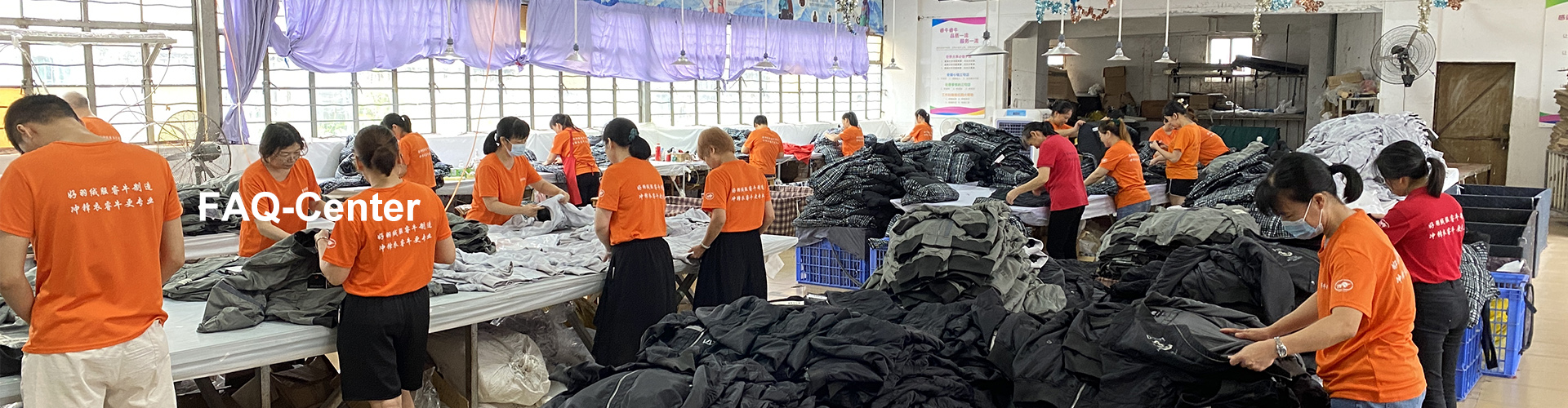
Cut-and-sew manufacturing turns fabric, patterns and a technical specification into a finished garment through cutting, sewing, finishing and inspection. For jacket brands, the value is not simply factory capacity. It is the ability to control fit, material handling, seam construction, special processes and repeat-order consistency.
A suitable cut-and-sew partner should understand the product category. Softshell stretch control, down containment and waterproof seam sealing require different equipment, operators and quality checkpoints.
Quick answer
Evaluate a cut-and-sew jacket factory by pattern capability, material experience, sample discipline, production controls, special processes, inspection records and communication. Ask for evidence that matches your actual jacket type rather than relying on a general factory presentation.
| Stage | Factory work | Buyer approval |
|---|---|---|
| Technical review | Check design, construction, measurements and feasibility | Confirmed tech pack and open-issue list |
| Pattern and sample | Create or adapt pattern, sew prototype and revise fit | Fit comments, measurements and approved sample |
| Material control | Receive, inspect, relax and prepare fabric and trims | Colour, hand feel, codes and test documents |
| Cut and sew | Marker, cutting, bundling, assembly and in-line checks | Pre-production standard and tolerance rules |
| Finish and inspect | Final processes, measurement, appearance and packing | Inspection plan and approved packing method |
A clean sample depends on a pattern that reflects fabric behaviour, intended layers and movement. Jacket fitting should check reach, hood rotation, sleeve pitch, hem coverage and pocket access. Measurement tables alone cannot replace movement review.
Softshell: relaxation, stretch direction and feed control affect panel shape.
Waterproof shell: needle selection, seam allowance and tape compatibility affect leakage risk.
Down jacket: shell downproofness, baffle filling and contamination control matter.
Fleece: pile direction, shedding and bulky seams need attention.
Insulated jacket: quilting, insulation recovery and body mapping affect warmth and appearance.
Seam taping, bonding, laser cutting, quilting, embroidery and heat transfer require compatible materials and controlled settings. Ask how the factory approves the first pieces and records process parameters. Equipment photos alone do not show whether a process is stable on your fabric.
Quality cannot be added only at final inspection. Incoming material checks, first-piece approval, in-line measurements, appearance checks and final inspection should connect to the approved sample and specification. Nonconforming items need a documented decision, not an informal repair that changes the product.
Share one representative style and ask for a feasibility review.
Check recent experience with the same fabric and construction.
Review pattern, sample and grading responsibilities.
Ask how bulk materials are matched to approved standards.
Define special-process and finished-garment tests.
Agree inspection, change control and communication ownership.
RUINIU focuses on jacket categories rather than general fashion production. The article on dedicated jacket manufacturers explains why specialisation matters.
It can. Confirm whether the factory sources materials, works with buyer-nominated suppliers or uses a combination of both.
A complete tech pack improves control. If the brief is incomplete, agree who will create the missing measurements, construction details and bill of materials.
Some factories cover multiple categories, but buyers should verify the actual line, operators, machines and quality controls for their product.
Send RUINIU a tech pack, sketch or reference sample. The team can identify pattern, material and process questions before development begins.