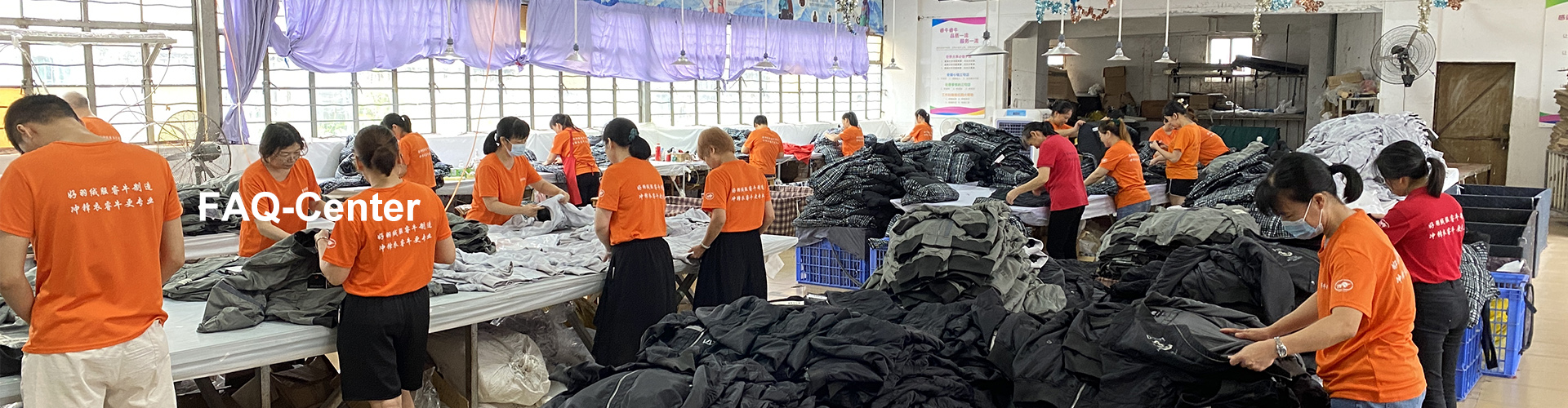

The best insulation for a custom ski jacket depends on activity level, climate, garment weight, moisture exposure and the way the jacket will be layered. No single filling is right for every ski product.
Down offers high warmth for its weight, while synthetic insulation is often easier to manage in damp conditions. Fleece or lightly insulated constructions can suit high-output use. Brands should compare complete garment systems rather than insulation names alone.
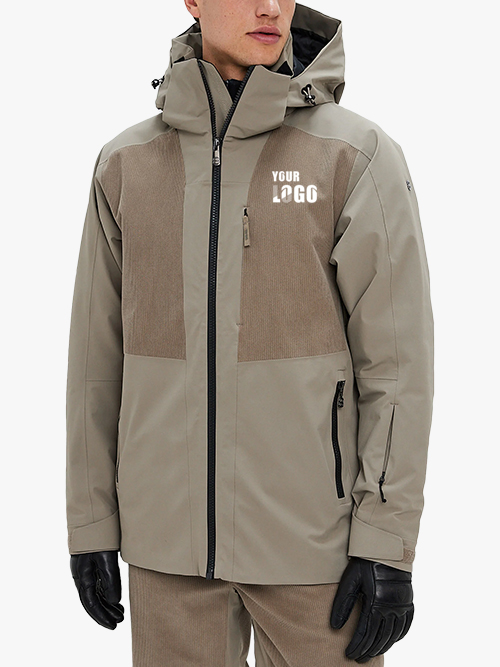
Quick answer
Choose down for lightweight loft in cold, relatively dry use; synthetic insulation for broader moisture tolerance and easier care; and low-bulk or fleece-backed systems for active skiing. Confirm fill weight, distribution, shell breathability and test requirements on the finished sample.
| Insulation | Useful qualities | Development considerations |
|---|---|---|
| Down | High loft and packability | Moisture protection, baffle design, leakage control and documentation |
| Synthetic sheet | Even coverage and straightforward quilting | Bulk, recovery, wash durability and seam compression |
| Synthetic loose fill | Down-like loft with synthetic fibre | Chamber control, migration and fill consistency |
| Fleece or brushed backing | Low bulk and breathability for active use | Lower warmth level and layering strategy |
A lift-served resort jacket for cold, low-output use needs a different insulation plan from a touring shell worn during sustained climbing. Define expected temperature, wind, wet snow, exertion, rest periods and base layers. These inputs guide insulation type and quantity more reliably than a broad 鈥渨inter jacket鈥?label.
Fill power describes loft quality; fill weight states how much down is used. Both are needed to understand the insulation plan. Baffle size, garment area and size grading affect distribution. Request the filling specification, chamber map and documents required for the destination market.
Two synthetic insulations with the same nominal weight may differ in fibre structure, loft, compression recovery and wash performance. Test the actual material with the selected shell and lining. Stitching density can compress insulation and create cold areas if the quilting plan is not coordinated with the design.
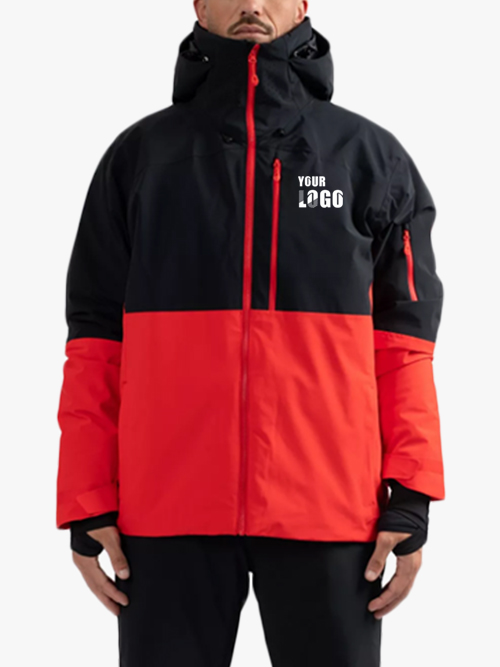
Brands may use more insulation at the torso and less at the underarm or side panels. This can improve movement and moisture management, but it also adds pattern pieces, material transitions and quality checkpoints. Record each zone clearly in the tech pack.
Insulation cannot be evaluated separately from the shell. Air permeability, wind resistance, membrane, lining and ventilation change the wearer's comfort. A highly protective shell with heavy insulation may feel too warm during active skiing, while an open construction can lose heat in exposed wind.
Confirm insulation weight and distribution by size.
Check loft recovery after packing and unpacking.
Review movement with intended base layers.
Inspect quilting, cold spots and fill migration.
Test care performance and dimensional stability.
Link warmth or weather claims to agreed methods.
For a broader category comparison, see what a soft shell ski jacket is.
Down is attractive for loft and low weight; synthetic options can suit damp use and easier care. The better choice depends on skier, climate, garment design and required documentation.
There is no universal amount. Set the user, climate, activity and layering plan, then evaluate the finished sample. Material weight alone does not predict complete-garment warmth.
Not automatically. Larger garment areas may need graded fill quantities or revised insulation pieces. Record the agreed grading method before production.
Share the skier profile, climate, layering plan, design and quantity with RUINIU. The team can review insulation, shell and construction options for custom ski apparel.