
How to Choose the Right Outdoor Jacket: Buyer's Guide 2026
Finding the right outdoor jacket isn't just about picking a popular brand — it's about matching the jacket's technical specs to the conditions you'll actually face. The wrong choice means getting soaked on a mountain trail or overheating on a summer ridge walk. The right one disappears into your body and lets you focus on the experience.
This guide covers everything you need to know: waterproof ratings, fabric construction, insulation types, and the features that separate a well-engineered jacket from a marketing-driven one.

Types of Outdoor Jackets: What Actually Matters
Most buyers start by asking "which brand?" when they should be asking "which category?" The jacket category determines how it performs — brand is secondary.
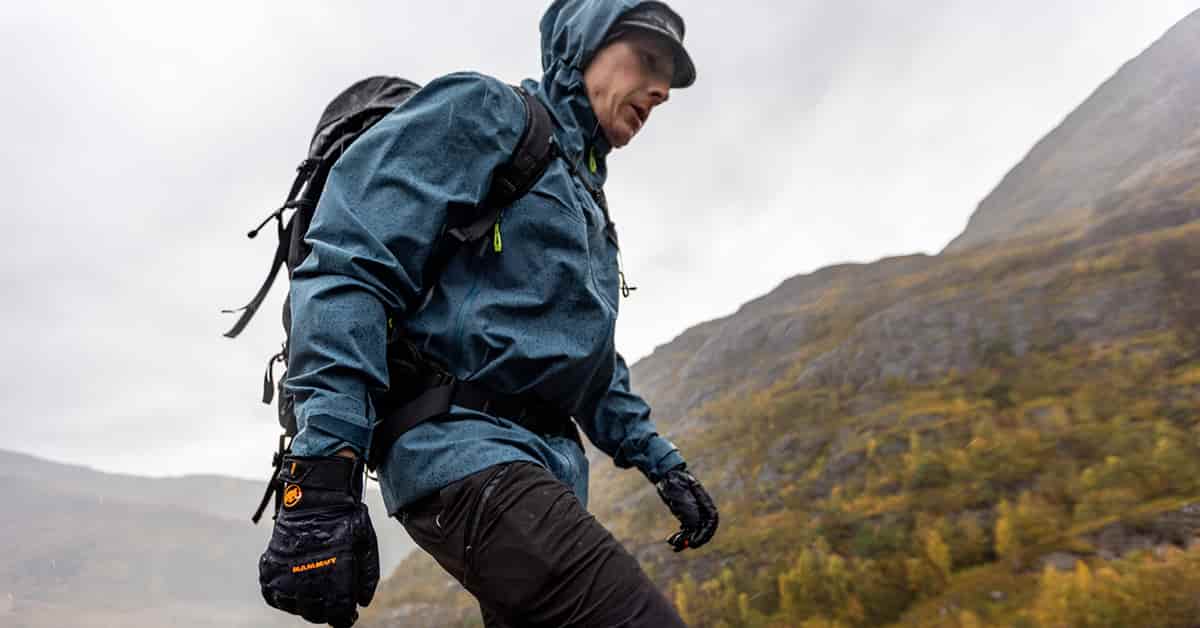
Hardshells use waterproof-breathable membranes (Gore-Tex, eVent, or proprietary equivalents) bonded to a face fabric to block rain, sleet, and wind. There's no insulation layer — they're designed to be worn over mid-layers.
Best use cases: alpine hiking, mountaineering, ski touring, wet-weather trekking, multi-day backpacking in unpredictable climates.
Softshells trade peak weather resistance for flexibility and breathability. Stretch fabrics and brushed inner linings make them far more comfortable during aerobic activity, and many handle light rain well enough for non-alpine use.
Best use cases: rock climbing, trail running, cycling, shoulder-season hiking, everyday outdoor use.
These prioritize thermal efficiency — either down or synthetic fill sandwiched between outer and inner fabrics. They're not typically designed as standalone rain jackets; many are intended to layer under a hardshell in cold conditions.
Best use cases: ski resort days, winter hiking, cold-weather camping, high-altitude layering.
Hiking Jackets vs Shell Jackets: What's the Difference?
Many buyers use the terms hiking jacket and shell jacket interchangeably, but they serve different purposes.
A hiking jacket is a broad category that may include softshells, lightweight waterproof jackets, insulated jackets, or hybrid designs.
A shell jacket specifically refers to an outer protective layer designed to block wind and rain. Shell jackets are usually categorized as:
Hardshell jackets
Softshell jackets
For serious outdoor activities and unpredictable weather, a waterproof shell jacket typically offers the highest level of protection.
Waterproof Ratings Explained (and What They Don't Tell You)
The hydrostatic head test — measured in millimeters — indicates how much water pressure a fabric can withstand before it leaks. Higher numbers mean better waterproofing, but the rating alone doesn't capture the full picture.
| Waterproof Rating | Practical Performance |
|---|---|
| 5,000mm | Light, brief rain; casual outdoor use |
| 10,000mm | Moderate rain; recreational hiking and trekking |
| 20,000mm | Heavy sustained rain; technical outdoor activities |
| 30,000mm+ | Extreme alpine and storm conditions |
What the rating doesn't capture: DWR (Durable Water Repellency) coating condition, seam sealing quality, and hood coverage all affect real-world performance. A 20,000mm jacket with worn DWR will wet out faster than a 10,000mm jacket that's properly maintained.
For most hikers and trekkers, a jacket rated between 10,000mm and 20,000mm hits the practical sweet spot between weather protection and cost.

Jacket Construction: 2-Layer vs 2.5-Layer vs 3-Layer
The "layer" designation describes how the waterproof membrane is attached — and it affects how the jacket feels, weighs, and holds up over time.
2-Layer (2L)
The membrane bonds to the face fabric only. A separate hanging liner protects it from abrasion on the inside. The result is a softer, more comfortable feel — but heavier and bulkier than alternatives.
Best for: casual outdoor use, travel, everyday wear where packability isn't a priority.
2.5-Layer (2.5L)
A printed or textured pattern replaces the inner liner, reducing weight and pack size significantly. Common in packable rain jackets designed for travel.
Best for: ultralight hiking, travel, situations where weight matters more than durability.
3-Layer (3L)
Face fabric, membrane, and inner liner are laminated together as a single bonded unit. This eliminates interior moisture absorption and produces the most durable, packable, and technically capable construction.
Best for: technical mountaineering, serious trekking, ski touring, any activity that demands consistent high performance in harsh conditions.
Breathability: The Overlooked Spec
A jacket that blocks rain but traps sweat creates a different kind of misery. Breathability — measured in grams of moisture vapor transmitted per square meter per 24 hours (g/m²/24h) — indicates how efficiently water vapor escapes.
| Breathability Rating | Performance Level |
|---|---|
| 5,000 g/m²/24h | Low — casual, low-exertion use |
| 10,000 g/m²/24h | Moderate — recreational hiking |
| 20,000 g/m²/24h | High — aerobic activity in wet conditions |
| 30,000+ g/m²/24h | Technical — high-output mountain sports |
Breathability matters most when you're generating heat — uphill hiking, ski touring, trail running. For lower-exertion activities in heavy rain, waterproof performance takes priority.
Pit zips (underarm ventilation zippers) are a practical supplement to membrane breathability. They're worth having on any jacket intended for aerobic use.
Features Worth Paying For
Not every feature on a jacket spec sheet justifies the cost. These ones do:
Helmet-compatible hood with a stiffened brim. A flat brim and a snug-but-adjustable fit means the hood stays put in wind and doesn't block peripheral vision on technical terrain.
Waterproof zippers. YKK AquaGuard or equivalent. Any non-sealed zip is a potential entry point for water in sustained rain.
Adjustable cuffs. Velcro adjustments or elastic-and-snap closures that seal around gloves matter more than most buyers realize — water runs down your arms.
Articulated patterning. Sleeves cut with a forward arm position and added fabric across the back prevent the jacket from riding up during movement. You only notice it when it's missing.
Reinforced high-wear zones. Shoulders, elbows, and the pack hip belt contact area take the most abrasion. Fabric weight differentiation here extends jacket life significantly.
Packability and weight. A 3L technical jacket that packs to a softball size is genuinely more useful than a heavier equivalent on long routes.
Insulation: Down vs Synthetic
If warmth is the priority, the down versus synthetic decision comes down to climate.
Down Insulation
Natural goose or duck down delivers the best warmth-to-weight and warmth-to-packed-volume ratios available. A 700-fill-power down jacket compresses to a fraction of the equivalent synthetic jacket's volume.
The limitation: down clumps when wet and loses most of its insulating capacity. Hydrophobic down treatments (DriDown, DownTek, etc.) mitigate this but don't fully solve it.
Choose down when: conditions are cold and reliably dry, or you need maximum compressibility for weight-critical applications like alpinism or fastpacking.
Synthetic Insulation
Polyester-based fills (Primaloft, Thermoball, Polarguard) retain meaningful warmth even when wet. They dry faster and are easier to care for than down.
Choose synthetic when: you're operating in wet conditions, will be sweating heavily and need the jacket to recover quickly, or budget is a constraint (synthetic is generally less expensive).
Balancing Performance and Budget
The most expensive outdoor jacket is not always the best one for your specific needs. Overspending on a technical alpine hardshell for weekend trail walks is a common mistake — as is underspending on a casual jacket for demanding mountain conditions.
A realistic framework:
Entry-level (under $150): Adequate for casual hiking, travel, and light rain. Expect lower breathability and durability. Fine for infrequent use.
Mid-range ($150–$350): The best value zone. This is where most well-designed jackets with solid waterproof ratings, seam sealing, and practical features live.
Technical ($350+): Genuine performance gains in breathability, weight, packability, and durability. Justified for alpine objectives, extended expeditions, or heavy professional use.
Evaluate fabric specs, seam sealing method (fully taped vs critically taped), and stated waterproof/breathability ratings independently of brand name.
Common Buying Mistakes
Buying by price alone. A $400 jacket from a fashion-oriented brand may underperform a well-specified $200 technical jacket.
Ignoring the waterproof rating for the activity. A 5,000mm jacket on an exposed ridge in a Scottish winter is inadequate regardless of how it looks.
Overlooking DWR maintenance. Even the best membranes perform poorly when the outer DWR has degraded. Most DWR can be restored with a tumble dryer cycle or a wash-in treatment.
Buying a technical jacket for casual use. 3L jackets are stiff and noisy compared to softshells or casual hardshells. If you're wearing it in the city, you'll notice.
Getting the wrong fit for layering. A hardshell that fits perfectly over a t-shirt will feel constricting over a fleece mid-layer. Size up one, or buy after trying with your intended underlayers.
Why Manufacturing Quality Determines Real-World Performance
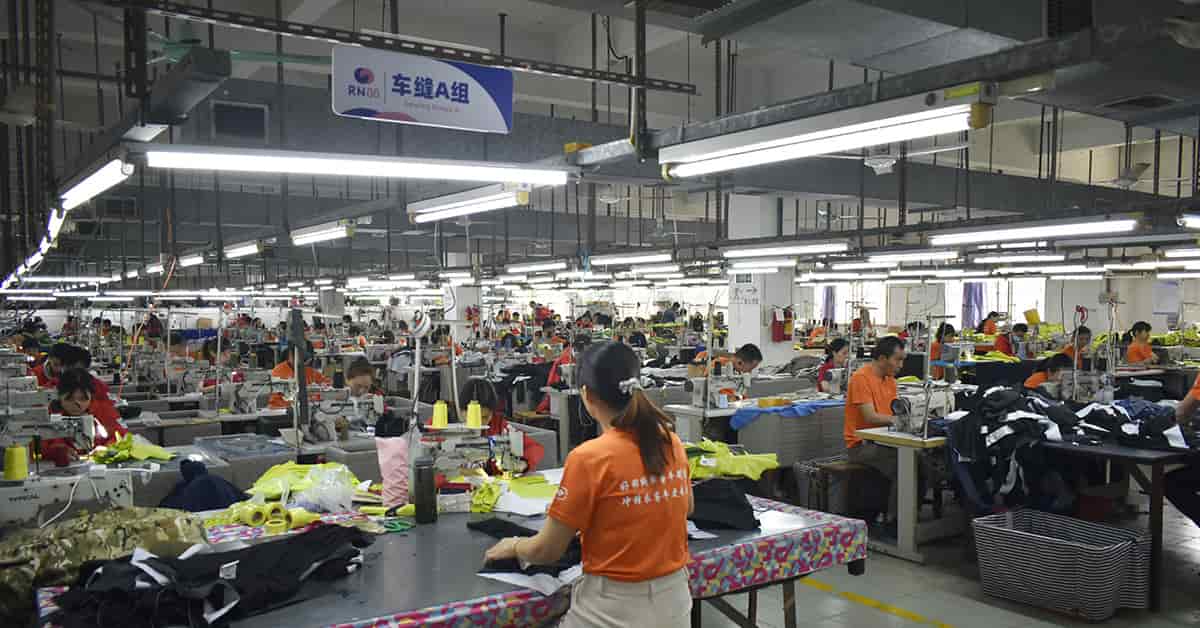
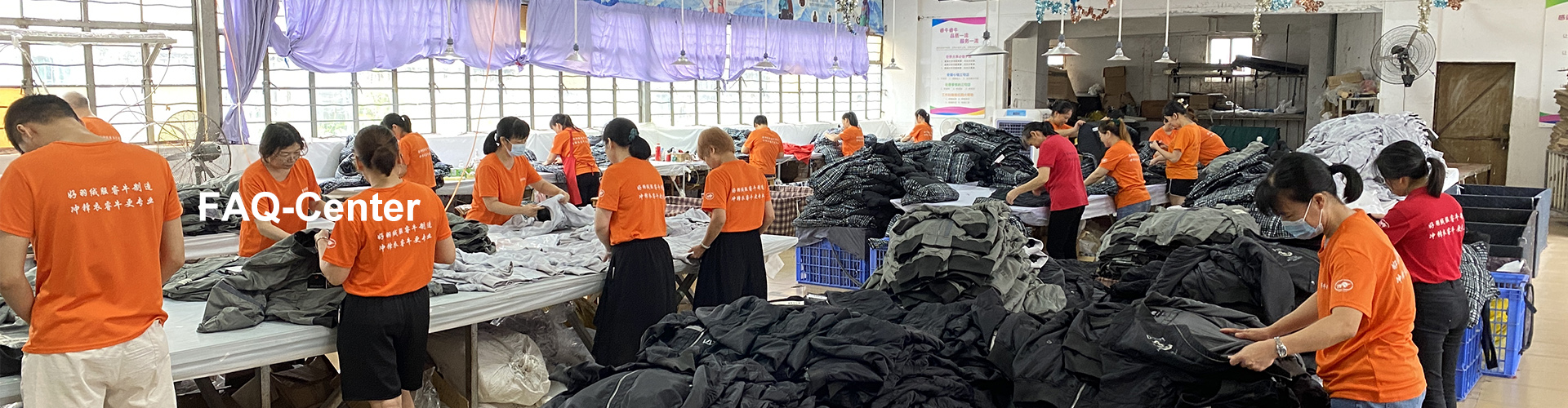
Fabric waterproof ratings are lab results. Field performance depends on execution: seam tape adhesion, zipper quality, hood construction tolerances, and consistency across production runs. A jacket spec sheet describes potential — manufacturing quality determines whether that potential is realized.
For brands developing custom outdoor jackets, key production factors include:
Seam sealing method and tape width
DWR application consistency
Pattern engineering for articulation
Waterproof zip integration
Quality control testing under field-simulated conditions
About RUINIU Clothing
RUINIU Clothing manufactures custom outdoor jackets for brands worldwide, with expertise spanning waterproof hardshells, softshells, down and synthetic insulated jackets, ski wear, and windbreakers. Services include OEM and private label manufacturing, in-house sample development, and end-to-end quality control from prototype to bulk production.
Related Reading
How Long Does It Take to Develop a Custom Jacket Sample in China?
What's the MOQ for Custom Jackets in China?
How Much Does It Cost to Manufacture a Custom Jacket in China in 2026?
OEM vs ODM Outdoor Jackets: Which Manufacturing Model Is Right for Your Brand?
10K vs 20K Waterproof Fabric: Which Is Right for Your Brand?
Quick Outdoor Jacket Selection Guide
| Activity | Recommended Jacket Type |
|---|---|
| Casual Walking | Softshell Jacket |
| Travel | 2.5-Layer Rain Jacket |
| Hiking | Waterproof Hiking Jacket |
| Trekking | 3-Layer Shell Jacket |
| Skiing | Insulated Ski Jacket |
| Mountaineering | Technical Hardshell Jacket |
Final Thoughts
The right outdoor jacket for hiking in the Pacific Northwest is different from the right jacket for ski touring in the Alps or trekking in Patagonia. Category, waterproof rating, construction, and insulation type all interact with the specific conditions you're planning for.
Spend time on the specs, not just the branding. A mid-range jacket with the right technical profile will outperform an expensive one chosen for the wrong reasons — and it'll do so every time you put it on.