

By Iris Jiang, Outdoor Apparel QC and OEM Content Lead at RUINIU · Published November 10, 2026
Technical outerwear is specified by measurable protection targets, not by appearance alone. For an OEM program, define the required protection, construction, inspection method and approval reference before choosing a softshell, hardshell, windbreaker, waterproof shell, down jacket, fleece jacket or ski suit.
Quick answer
Match each technical outerwear category to its intended weather, layer system and test plan. A good OEM brief states the shell structure, insulation or lining, seam and opening requirements, care method, quality checks and the approved bulk reference.
Technical Outerwear Buyer Matrix
Use these cards to decide which product family fits the brief. Each card is intentionally short; the linked guides cover detailed construction and testing.
Hardshell describes a construction approach, while waterproof shell describes the protection goal. A waterproof shell may use a hardshell laminate, but not every waterproof jacket uses the same layer structure.
Softshell
Main protection: Stretch, comfort, wind resistance and light weather protection
Typical construction: Stretch woven face, membrane or fleece backing, selected DWR
Confirm before approval: Air permeability, stretch recovery, surface pilling and wash appearance
Hardshell
Main protection: Rain, snow and wind protection
Typical construction: 2-layer, 2.5-layer or 3-layer laminate with protected seams
Confirm before approval: Hydrostatic method, moisture vapor method, seam sealing scope and zipper protection
Windbreaker
Main protection: Wind blocking with low weight and packability
Typical construction: Light woven shell, hood or collar, elastic or adjustable openings
Confirm before approval: Air permeability, noise, seam strength, water-repellent finish and size grading
Waterproof Shell
Main protection: Rain and wet-snow exclusion
Typical construction: Coated or laminated shell, seam tape, protected zippers and adjustable openings
Confirm before approval: Finished-garment water test, seam leakage, hood and cuff performance
Down Jacket
Main protection: Insulation with low weight and compressibility
Typical construction: Down or feather fill, stitched or box baffles, insulated shell and lining
Confirm before approval: Down composition, fill power, fill weight by size, leakage, wash care and bulk distribution
Fleece Jacket
Main protection: Mid-layer warmth, low weight and quick drying
Typical construction: Knitted polyester fleece with brushed or bonded surface
Confirm before approval: GSM, loft, pilling, abrasion, colorfastness, air permeability and care appearance
Ski Suit
Main protection: Snow, wind, moisture and movement protection
Typical construction: Insulated or shell system, snow skirt, articulated pattern, sealed or protected seams
Confirm before approval: Mobility, layering room, snow-entry points, water test, seam strength and trim security
Five Decisions To Make Before Sampling
Use case and weather: state the activity, temperature range, rain or snow exposure, wind exposure and expected movement.
Layer system: decide whether the garment is a base layer, mid-layer, shell or insulated outer layer before selecting thickness and fit.
Seams and openings: identify which seams, zippers, hood, cuffs, hem and pockets need protection or adjustment.
Performance tests: name the test method, garment condition, acceptance target and party responsible for the report.
Approval reference: retain the approved swatch, color standard, measurement chart, trim sample and final sample photos for bulk comparison.
How RUINIU Supports Technical Outerwear OEM Programs
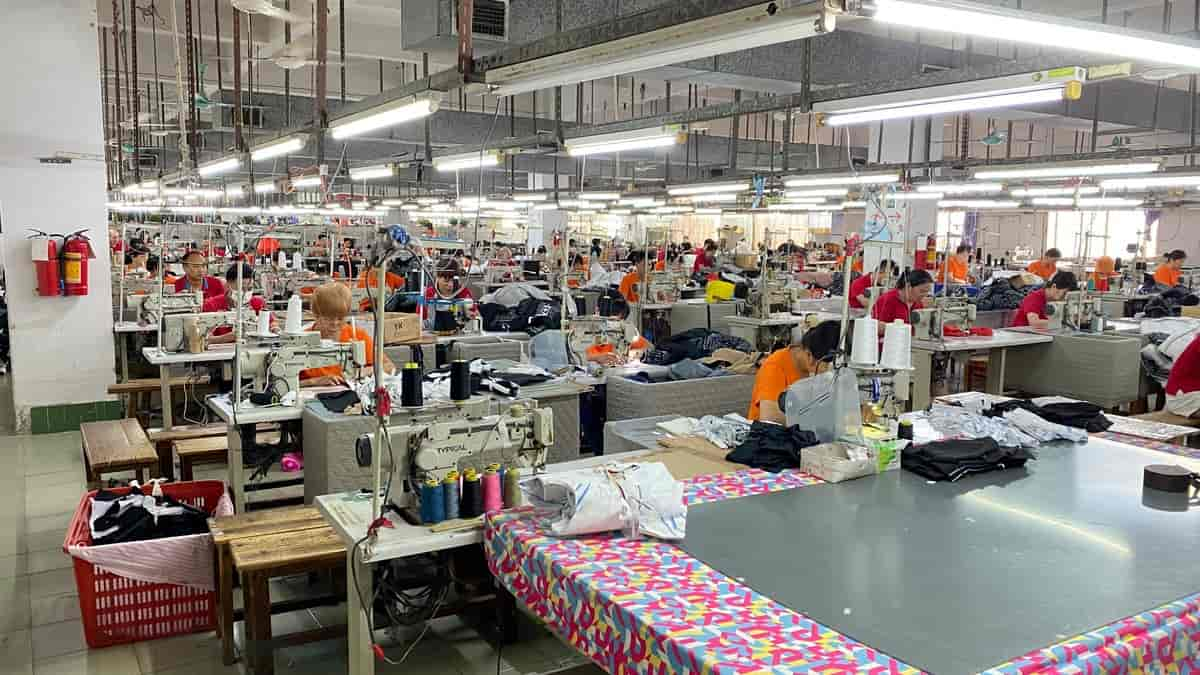
RUINIU lists direct OEM and ODM production for softshell, waterproof shells, windbreakers, down jackets and ski suits. The published MOQ is 100 pieces per style per color. Confirm fabric and trim minimums separately when a custom-dyed or specialty material is required.
Incoming materials: 100% incoming fabric inspection is stated on the quality-control page.
Process control: the quality-control page lists 24 inline checkpoints and an AQL 2.5 outbound sampling standard.
Performance verification: randomly selected production samples are tested in the internal laboratory for hydrostatic pressure and seam strength.
Third-party inspection: SGS, TUV, Intertek and buyer-appointed inspectors can be accommodated by arrangement.
See the RUINIU technical outerwear quality-control process for the inspection flow and request current project documents before approving a claim.
How To Read Technical Outerwear Certificates
Separate factory management-system certificates from material or supply-chain documents. RUINIU’s certificate information includes ISO 9001, ISO 14001 and ISO 45001 management-system certificates. OEKO-TEX, GRS and bluesign should be described as material or supply-chain documentation, with the certificate holder, scope, validity and order applicability confirmed for each project.
Do not use a material certificate as proof that every finished garment has the same composition or performance. Match the document to the fabric lot, trim, finished product and destination-market requirement.
Frequently Asked Questions
What makes a jacket technical outerwear?
A technical jacket is designed around measurable protection or comfort targets such as waterproofing, wind resistance, insulation, breathability, abrasion resistance or mobility. The claim should be tied to a construction and a test method.
Which technical jacket should an outdoor brand develop first?
Start with the product that matches the brand’s clearest use case and distribution plan. A softshell may suit active workwear, a waterproof shell may suit wet climates, and an insulated or down jacket may suit cold-weather programs.
What should a buyer send to a technical outerwear factory?
Send a tech pack or reference sample, target use, layer plan, materials, colors, quantity by style and color, required tests, care requirements and destination market.
Are OEKO-TEX, GRS and bluesign factory certifications?
Not necessarily. OEKO-TEX, GRS and bluesign documents may belong to a fabric supplier, factory or another supply-chain partner. Confirm the certificate holder, scope, validity and whether it covers the materials used in your order.
For a technical outerwear OEM review, contact the RUINIU outdoor jacket team with your product category, target use and performance requirements.