

How to Choose the Best Insulation for Custom Ski Jackets?
As a professional outdoor clothing manufacturer, Guangdong Ruiniu Clothing has spent years helping global brands navigate the technical complexities of ski wear production. One of the most frequent questions our clients ask is: "Which insulation should I choose for my custom ski jacket line?"
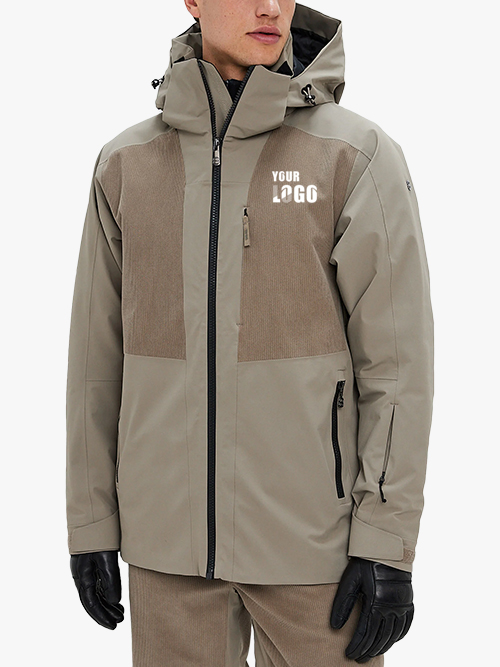
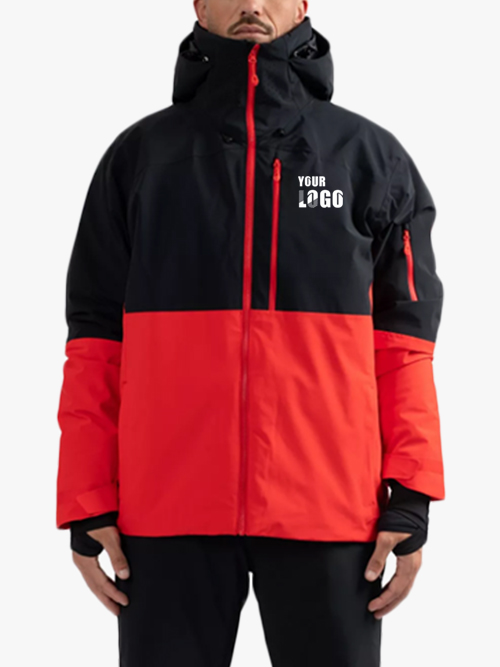
The answer isn't just about warmth—it’s about balancing weight, moisture management, cost, and sustainability. Today, we’re pulling back the curtain on the insulation technologies we use in our factory to help you make the best decision for your target market.
Down Insulation:The Premium Choice for Extreme Cold
Down insulation is made from the soft, fluffy feathers found under the tougher exterior feathers of ducks or geese. It's known for its excellent warmth-to-weight ratio.
The Ruiniu Edge: We source high-fill-power down (from 600 to 800+) and ensure all materials meet the RDS (Responsible Down Standard)—a must-have certification for Western markets.
Advantages: It's incredibly lightweight and compressible, making it ideal for packing. Down also provides exceptional warmth and is breathable.
Disadvantages: Its major drawback is its performance when wet – it loses much of its insulating properties and takes a long time to dry.
Synthetic Insulation: The All-Weather Performer
For functional, high-activity skiing, synthetic insulation (polyester fibers) is often the smarter choice. We work with world-class brands like PrimaLoft® and 3M™ Thinsulate™ to provide high-performance alternatives.
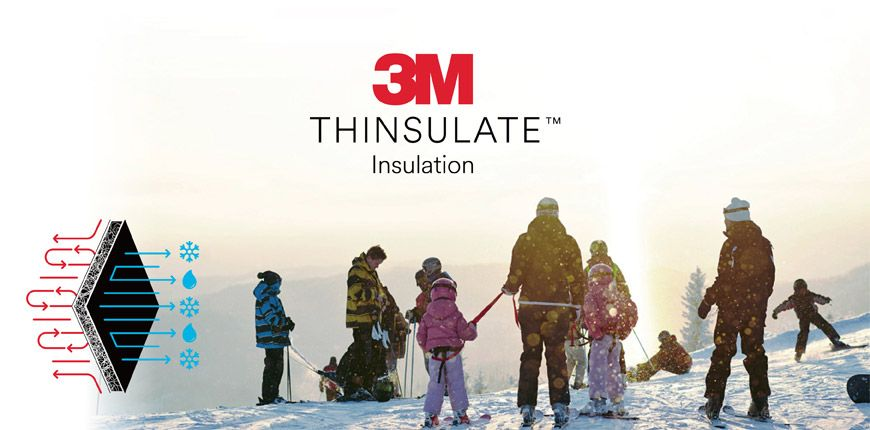
Manufacturing Insight: Synthetic fibers are designed to mimic down but stay lofted even when damp.
Pros: Water-resistant, hypoallergenic, and more budget-friendly for mass-market orders.
Cons: Slightly heavier and less durable over long-term compression cycles compared to down.
Best For: Technical resort skiing and rental fleets where durability and moisture are constant factors.
Wool & Merino Blends: The Sustainable Trend
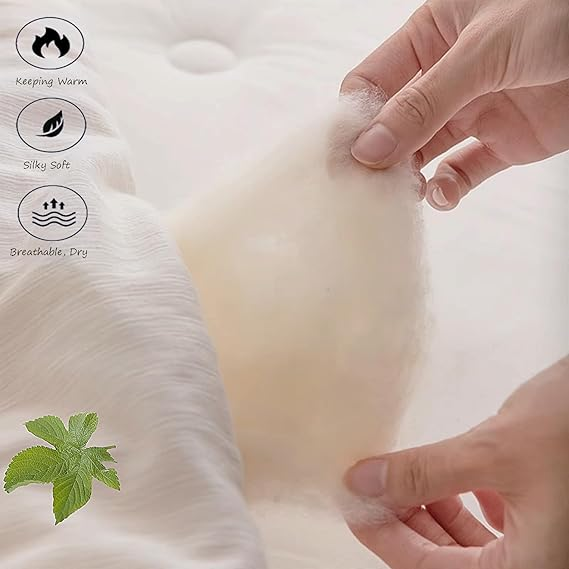
With "Green" fashion on the rise, many of our European and North American clients are moving toward wool insulation.
Why It’s Trending: Wool is naturally breathable and odor-resistant. Even when wet, it retains heat better than down.
The Ruiniu Perspective: While it’s heavier, it offers a "natural performance" story that resonates with eco-conscious consumers.
Disadvantages: Wool-insulated jackets might be heavier and less compressible. They can also be more expensive and require more care in cleaning
Best For: Sustainable outdoor brands and boutique ski collections.
Hybrid Mapping: Maximizing Performance
Why settle for one? At our factory, we often use "Body Mapping" technology to create hybrid jackets.
How We Do It: We place Synthetic insulation in high-sweat or high-moisture areas (like underarms and shoulders) and Premium Down in the core area to maximize warmth.
Result: A jacket that is both highly breathable and incredibly warm where it matters most.
Heat-Reflective Technology: The Invisible Warmth
Modern ski wear often incorporates metallic or ceramic linings that reflect body heat back to the wearer.
Tech Insight: This allows us to reduce the "bulk" of the jacket without sacrificing warmth. It’s perfect for the "Slim-Fit" trendy ski silhouettes that are popular in current fashion.
Choosing the Right Partner for Your Ski Wear Project
Selecting insulation is just the beginning. To create a successful ski jacket, you also need to consider seam-sealing, waterproof membranes , and ergonomic 3D cutting.
At Guangdong Ruiniu Clothing Co., Ltd., we provide more than just manufacturing; we provide solutions. Whether you are a startup looking for low-MOQ custom designs or an established brand needing high-volume OEM production, our expert team is here to guide you through every stitch.
Ready to build your next high-performance ski collection?
[Contact Ruiniu Clothing Today] to get a technical consultation and a free quote. Let’s make your brand the king of the slopes!