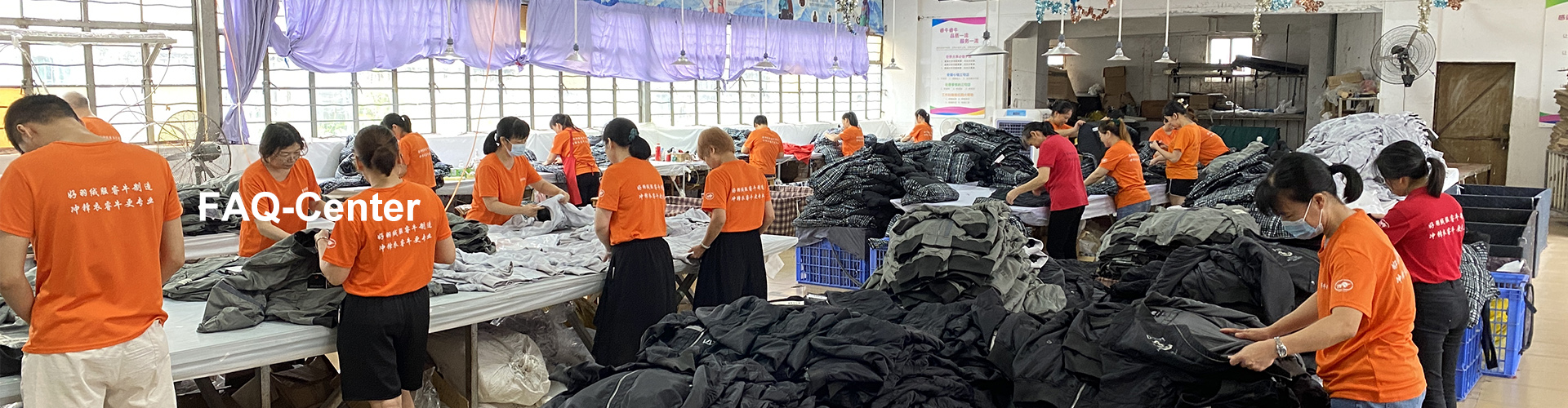

Quick answer: Choose an outdoor jacket manufacturer by matching its real capabilities to your product brief. Check relevant jacket experience, development support, material sourcing, technical construction, quality control and communication. A factory that is suitable for a simple fleece may not be the right partner for a seam-sealed waterproof shell.
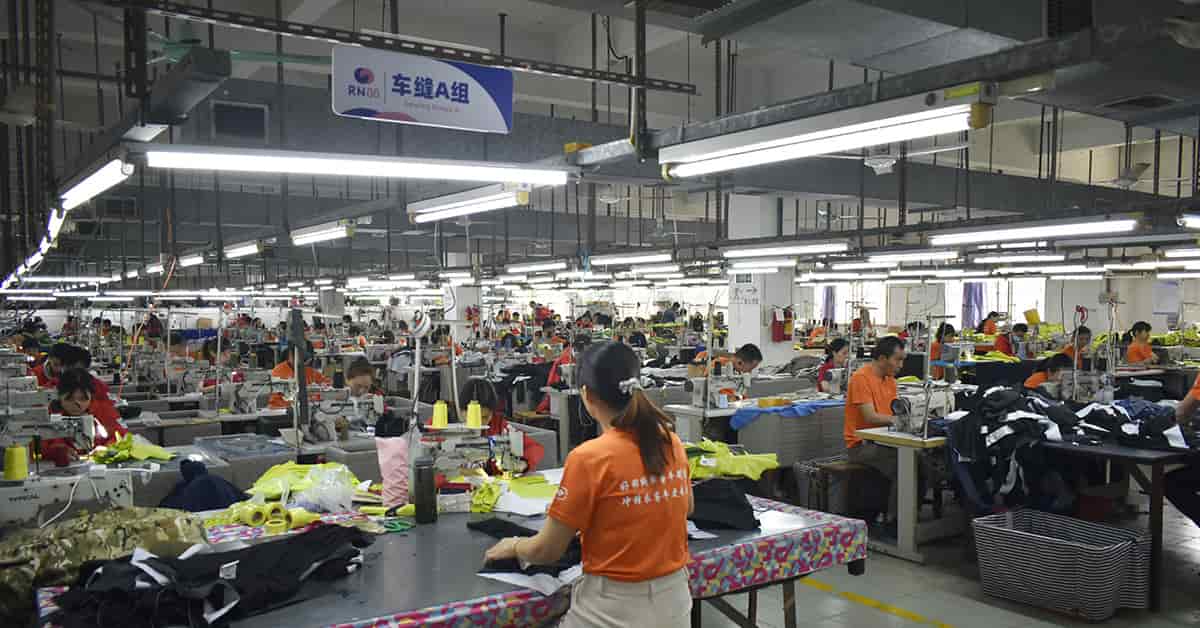
Supplier evaluation becomes easier when the project is defined. At minimum, prepare the jacket type, target customer, sales market, reference images or tech pack, expected materials, size range, colors, branding, performance tests, quantity and target launch date.
A vague request such as “best waterproof jacket” invites generic quotations. A brief that explains rain exposure, activity, layer construction and intended test standard allows manufacturers to propose comparable solutions.
| What to check | What to request | Why it matters |
|---|---|---|
| Relevant experience | Examples close to your jacket type | Shows familiarity with the construction |
| Development process | Sample stages and approval points | Reduces surprises before bulk production |
| Material sourcing | Swatches, specifications and documentation | Confirms that the proposed fabric fits the brief |
| Quality control | Inspection points and acceptance criteria | Makes quality measurable |
| Commercial fit | MOQ, quotation basis and production timing | Checks whether the partnership is workable |
Waterproof shells: ask about laminate or coated fabric handling, seam sealing, zipper integration and finished-garment testing.
Softshell jackets: check stretch-fabric handling, pattern mobility, bonding where relevant and trim compatibility.
Insulated jackets: review fill handling, quilting or baffle construction, weight control and insulation distribution.
Fleece jackets: evaluate fabric sourcing, pile handling, zipper stabilization, binding and pilling requirements.
RUINIU’s custom outdoor jacket page provides an overview of common development directions.
Have you produced a similar construction, and which details were difficult?
Which parts of my specification need clarification?
What fabric options are available and what test information supports them?
How many sample stages are likely for this design?
Which trims or logo methods may create technical risks?
How will measurements, workmanship and appearance be checked?
What information is needed for a reliable quotation and schedule?
Do not judge only the appearance. Check measurements, balance, range of motion, hood and collar coverage, pocket access, zipper behavior, seam finish and comfort over the intended layers. For functional styles, test the sample using the agreed method and record corrections clearly.

A quotation arrives before the material and construction are understood.
Performance claims are offered without a test method or sample basis.
Answers about the production site, process or quality checks remain unclear.
Important changes are agreed only in chat and not added to the specification.
The bulk order is pushed forward before the pre-production details are approved.
Send the same brief and ask each supplier to state assumptions. Separate fabric, trims, workmanship, testing and packaging where possible. The lowest initial quote may not remain the lowest after missing requirements are added. Compare clarity, technical fit and risk as well as price.
RUINIU supports OEM and ODM development across waterproof, windbreaker, softshell, insulated and fleece categories. Send a tech pack, reference garment or written brief for a project review. MOQ, price, sampling and production timing are confirmed from the final specification.