
By | Updated October 2026RUINIU Technical Team | Updated October 2026
A ski suit tech pack should give the factory enough information to build the first sample without guessing. That means technical drawings, a full measurement chart, fabric performance with test methods, seam sealing scope, functional details, trims, branding and packing.
Two items cause the most rework: seam sealing scope and hood or fit specifications. In one project, unclear answers on these points meant the hood pattern and the body block both had to be revised after the first sample.
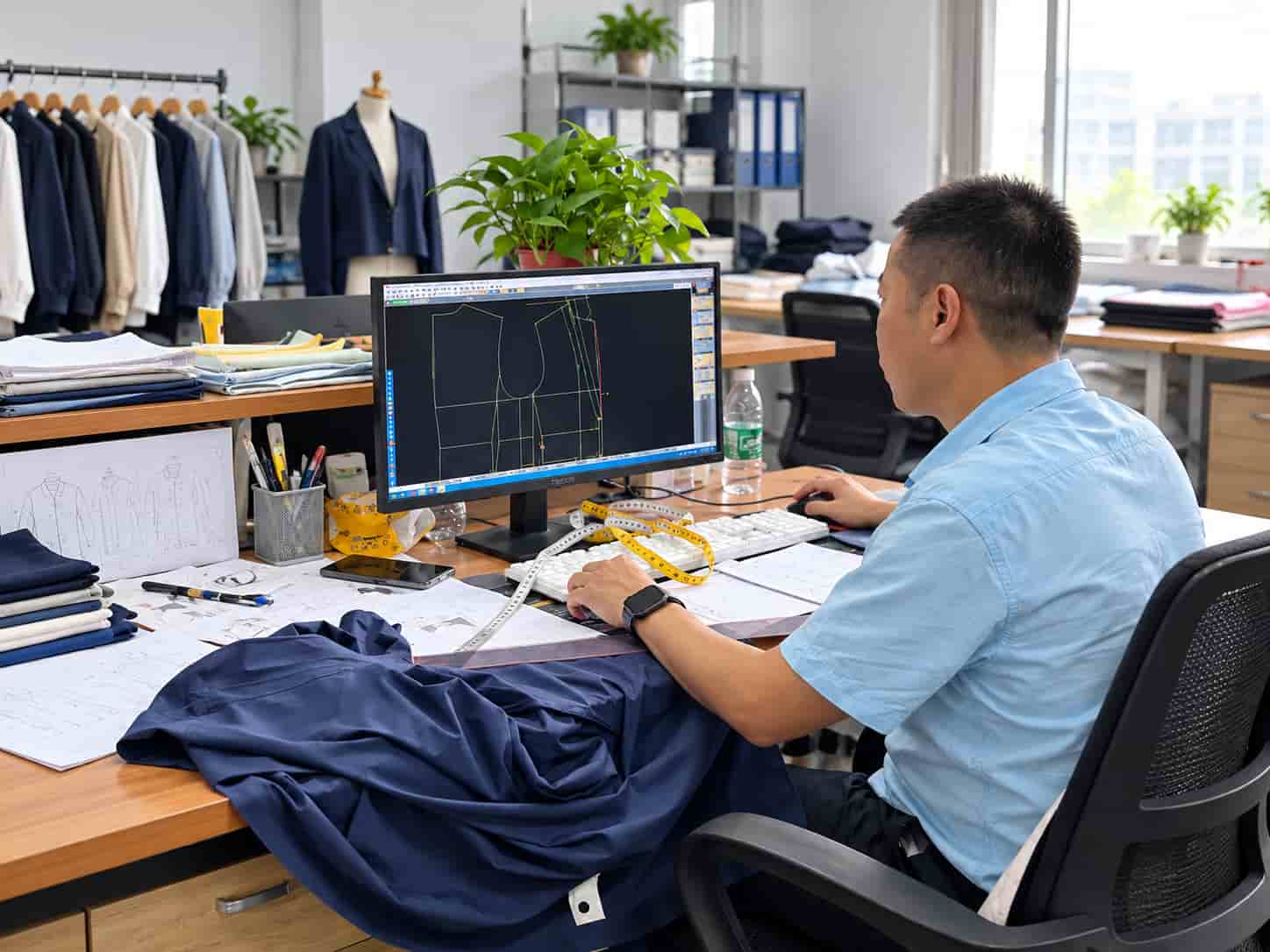
Most outdoor brands start with reference images, a competitor product or a design concept. That is enough to talk about style. It is not enough to cut a pattern.
A ski suit is a waterproof system, not just a jacket in waterproof fabric. The shell, the seams, the zippers, the hood and the fit all have to work together, and a photo cannot tell the factory how any of them should be built. A product image may show a hood, but it will not say whether the hood is removable, how much volume it needs, or which helmet it must fit over.
A tech pack turns the design idea into instructions that pattern makers, sample sewers and production teams can all follow.
One customer came to us with design drawings only. The drawings showed the look of the suit clearly, but three things were missing:
Seam sealing scope. The drawings said waterproof, but not whether the suit should be fully seam-sealed or sealed on critical seams only.
Size information. There was no complete measurement chart, so the fit was open to interpretation.
Hood requirement. The hood was meant to be helmet-compatible, but there was no helmet reference and no hood volume target.
The first sample came back with a hood that could not be worn over a ski helmet. The hood pattern had to be revised, and the body block needed adjusting as well.
This was not a sewing problem. The information needed to get the hood and the fit right was not in the brief at the start, so it turned into pattern changes after the first sample.
Our advice for any ski suit project: before pattern making starts, mark the seam sealing scope on the drawing, send a base size with measurements, and name the helmet the hood must fit.
A lifestyle photo shows what the suit looks like. Technical drawings show how it is built. A useful drawing set has:
Front, back and, where the design needs it, side views
Close-up drawings of the hood, sleeve cuffs, pockets, zippers, ventilation openings and snow skirt
Construction notes next to each detail, such as topstitching, zipper type and adjuster position
Seam sealing areas marked on the drawing, ideally in a separate colour
The seam sealing markup is the one most brands skip, and it is the one that saves the most questions.
A size label such as “M” means different things in different markets. The factory needs actual measurements before the pattern is made.
| Area | Examples |
|---|---|
| Chest | Half chest |
| Body | Front length / back length |
| Shoulder | Shoulder width |
| Sleeve | Sleeve length |
| Hood | Hood height / opening |
| Cuff | Opening measurement |
| Hem | Bottom opening |
| Area | Examples |
|---|---|
| Waist | Waist width |
| Hip | Hip width |
| Rise | Front rise / back rise |
| Thigh | Thigh width |
| Knee | Knee width |
| Inseam | Inside leg length |
| Hem opening | Leg opening |
Besides the chart itself, the tech pack should state the base size, the size range, the grading rules between sizes and the tolerance for each measurement point.
Three points are specific to ski wear:
Layering room. A ski suit is worn over base layers and often a fleece or insulated mid-layer. Say which layers the fit is designed for, otherwise the sample may look right on a flat table and feel tight on a person.
Sleeve length with arms raised. Skiers hold their arms forward and up. A sleeve that is long enough when standing can ride up and expose the wrist.
Rise and torso length on one-piece suits. These two measurements decide whether the suit pulls when the wearer bends or sits, so they need more attention than on a two-piece set.
Flat measurements are only a starting point. Fit is confirmed by trying the sample on a person, which is why the fit block should be agreed early.
“Waterproof fabric” does not tell the factory what to buy. The tech pack should list composition, fabric weight (gsm), stretch requirement, surface finish and the waterproof and breathability targets.
| Requirement | Example |
|---|---|
| Waterproof | 10,000mm |
| Breathability | 10,000g/m²/24h |
| Stretch | 2-way stretch fabric |
A rating without a test method is hard to compare, so write the method into the tech pack.
Waterproof is measured by hydrostatic pressure. Common references are ISO 811 and AATCC 127, the latter used by some US buyers.
Breathability can be written in two different ways:
Water vapour transmission rate in g/m²/24h, tested by JIS L1099 or ASTM E96
Water vapour resistance (RET value), tested by ISO 11092
Pick one system and say which. Mixing units between the brief and the fabric report is a common source of confusion.
Two further points are worth stating:
Fabric rating is not garment performance. The numbers describe the fabric. Seams, zippers and stitch holes decide how the finished suit behaves in wet snow.
Initial or after washing. Waterproof finishes wear down over time. If the brand cares about performance after laundering, ask for results after washing, not only the initial value.
Ask the fabric supplier for a test report and base the target on it, not on a number from a competitor’s product page.
Define the lining composition, insulation type, filling weight and warmth target. Common options are polyester lining, synthetic insulation, down and hybrid insulation. Insulation weight changes the volume of the garment, so it needs to be decided together with the fit and the hood size.
Every stitch puts a small hole through waterproof fabric. Seam tape covers those holes. If the tech pack only says “seam sealed”, the factory has to ask which seams, and the answer changes both the construction and the price.
| Option | What it covers | What to expect |
|---|---|---|
| Critical seam sealing | Seams most exposed to snow and water, usually shoulders, hood and upper body | Less tape and labour, lower cost, suited to dry or cold snow |
| Full seam sealing | All shell seams, including sleeves, pockets and lower body | More tape and labour, higher cost, suited to wet snow and heavy use |
Whichever option you choose, the tech pack should also state the tape width, the colour if it is visible, and any special areas such as zipper edges and pocket openings. A clear instruction looks like this:
| Item | Example |
|---|---|
| Seam sealing | Fully seam-sealed |
| Areas | Shoulder, sleeve, hood and pocket seams |
| Tape width | e.g. 20mm (confirm according to actual seam tape specification) |
Seam sealing scope should be fixed before pattern making. It affects seam allowances and the order of construction, and the seam tape must be compatible with the fabric backing. Changing from partial to full sealing after the sample is approved means re-planning the build.
For more on how waterproof construction works, see our guide: Ski Suit Manufacturing Guide for Brands: Insulation, Seam Sealing and Fit
| Detail | Information to Confirm |
|---|---|
| Hood | Fixed or removable, helmet compatible, helmet reference |
| Drawcord | Position and adjustment method |
| Snow skirt | Fixed or removable structure |
| Ventilation | Location and zipper type |
| Cuffs | Velcro adjustment or inner cuff |
| Pockets | Quantity and position |
| Lift pass pocket | Required or not |
| Goggle pocket | Required or not |
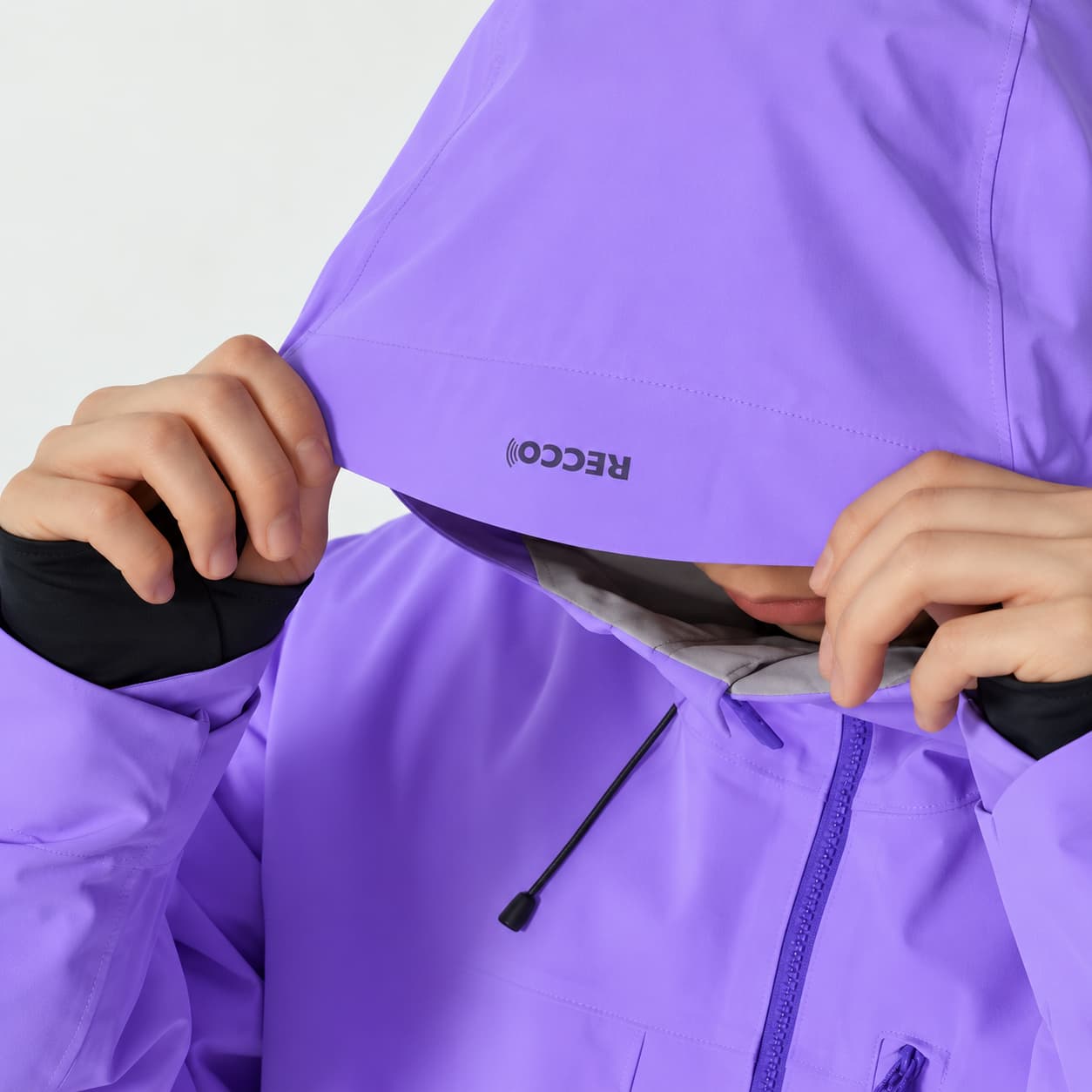
This is the detail that most often goes wrong. A helmet-compatible hood is cut larger than a standard hood, and “larger” needs numbers. Specify:
The helmet it must fit over, either a model or a head circumference range (adult ski helmets cover roughly 52 to 62 cm)
Hood opening and hood height
Where the volume adjustment sits, usually at the back, and how the front drawcord works
Whether the hood is fixed or removable, since a removable hood changes the collar construction
Ask for the first sample to be tried on with a helmet. A hood that fits a bare head tells you nothing about helmet compatibility.
Specify the zipper type, whether it must be waterproof, the brand or model if you have a preference, and the puller design. Zippers on a ski suit are used with gloves on, so puller size matters.
“Make it black” will be read differently by every supplier. Use a Pantone code, an approved swatch or a lab dip approval.
Give the logo artwork, position, size and application method. Common methods are embroidery, heat transfer, silicone badge and woven label. Each one suits different fabrics, so confirm the method before the sample.
List hangtags, care label, polybag and carton marking. Packaging is easy to forget until late, so put it in the first version of the tech pack.
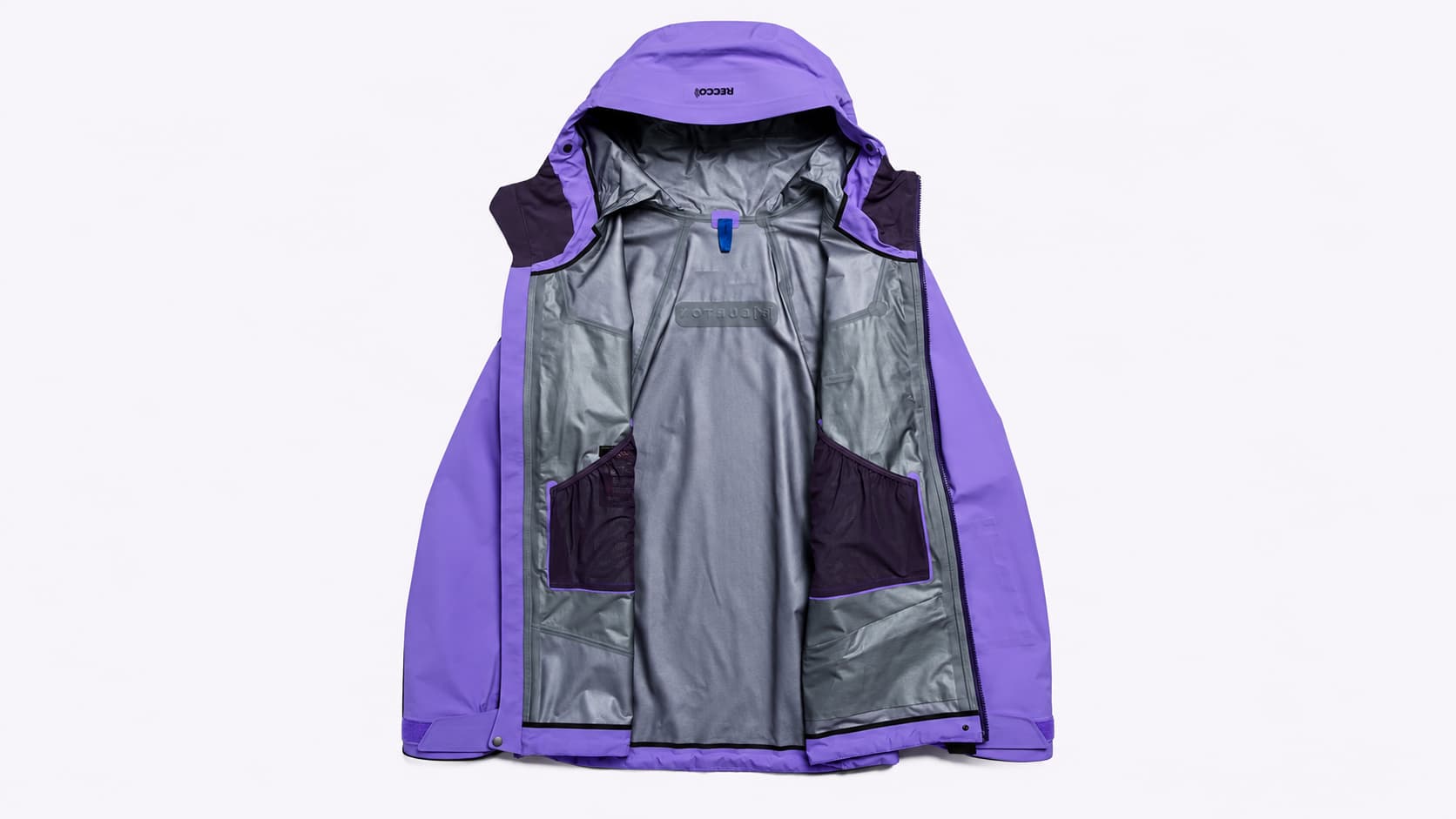
Some decisions are cheap to change early and expensive to change after the pattern is made.
Fabric: composition, waterproof and breathability targets, fabric weight, colour approval method
Construction: seam sealing scope, hood structure and helmet reference, snow skirt, pocket construction, ventilation system
Trims: zipper selection, hardware, labels
Size: base size, measurement chart, grading method, tolerances
The sample is for checking fit, appearance and construction. Some changes are quick; others send the project back to the pattern table.
| Easier Adjustments | Better Confirm Before Sampling |
|---|---|
| Logo position | Fabric performance |
| Label placement | Waterproof requirement |
| Small colour adjustments | Hood construction |
| Packaging details | Major pattern changes |
| Trim colour | Seam sealing scope |
Moving a logo by a few centimetres costs almost nothing. Changing the hood pattern or the sealing scope means re-cutting and re-planning, as happened with the hood in the project described above.
Wear it with a ski helmet on and check the hood closes and adjusts properly
Try it over the layers it is designed for, not over a T-shirt
Raise both arms forward and check sleeve length and shoulder movement
For one-piece suits, bend and squat to check rise and torso length
Operate every zipper and pocket with gloves on
| Item | Vague | Clear |
|---|---|---|
| Waterproof | Waterproof fabric | 10,000mm, tested by ISO 811 |
| Seam sealing | Seam sealed | Fully sealed: shoulder, sleeve, hood and pocket seams, tape width stated |
| Hood | Helmet-compatible hood | Fits over adult ski helmets up to a 62 cm head circumference, rear volume adjuster, front drawcord |
| Size | Size M | Base size M with full measurement chart and tolerances |
| Colour | Make it black | Pantone code or lab dip approval |
| Features | Outdoor ski jacket | Snow skirt, underarm vents and goggle pocket required |
Also state the target country, climate and intended use. A suit for wet coastal snow and one for dry alpine cold call for different materials and different sealing scope.
RUINIU develops ski wear for outdoor brands and private label projects. If you only have design drawings or reference photos, send them with your target market, size range and helmet reference if the suit has a helmet-compatible hood. RUINIU reviews the material for missing construction details before sample development starts, so that questions like seam sealing scope and hood volume are settled before the pattern is cut.
Explore our Custom Ski Suit Manufacturer page, or see how we handle outdoor apparel quality inspection.
Typical timeline:
Sample development: 7–10 working days
Bulk production: 35–50 working days after sample approval
A factory needs technical drawings, a measurement chart, fabric specifications, seam sealing scope, functional details, branding requirements and packaging information before it starts sample development.
It depends on the conditions the suit will face. Critical seam sealing covers the most exposed seams and keeps cost lower, while full seam sealing covers every shell seam and suits wet snow and heavy use. The choice should be made before pattern making.
Give the factory a helmet reference, either a model or a head circumference range, together with the hood opening and volume you want. Then try the first sample on with the helmet. A hood tested only on a bare head can still fail with a helmet.
Resort ski suits commonly use 10,000mm–20,000mm waterproof fabrics. The right level depends on climate, product positioning and expected use.
Yes. RUINIU can review design drawings or product references and help identify missing construction details before sample development.
RUINIU's MOQ starts from 100 pcs per style/color. The final requirement depends on materials, construction and customization details.
Sample development usually takes 7–10 working days. Bulk production usually takes 35–50 working days after sample approval.
Preparing a custom ski suit project? Send us your product references or tech pack, target quantity, fabric requirements, size information and branding details. We will review them and point out what is missing before sampling begins.