
Before sharing a tech pack with an OEM clothing manufacturer, many brands have the same concern: "If I send my pattern, artwork and product details to a factory, what protects my design from being used elsewhere?"
This is a reasonable question, especially for brands developing private label products or exclusive jacket collections. Many manufacturers will answer this question by referring to trust. Trust is important, but for product development, brands usually need something more practical: clear agreements, controlled access to development files and defined processes.
For projects involving exclusive designs, private labels or brand-specific development, we sign confidentiality agreements before sample development starts. In practice, this usually happens because the client requests it — a buyer developing something genuinely proprietary, like an exclusive pattern, a specific color-block system, or artwork tied to their brand, asks for an NDA, and we sign before the tech pack goes anywhere near the sample room.
The purpose of the agreement is straightforward: it defines clearly how development files, design information and brand materials are handled during cooperation, so neither side is relying on a verbal understanding.
We can provide a blank NDA template in advance so clients understand what information is covered before development starts, even before sharing a tech pack. This helps both sides establish clear expectations before any confidential product information changes hands.
This applies just as much if you're working with a factory that mostly produces stock or off-the-shelf styles rather than full custom development. Confidentiality concerns are lower when nothing proprietary is being shared, but if any part of your order involves your own logo, colorway, or construction adjustment, it's worth confirming in writing what counts as "your" design versus what the factory considers a variation of their existing stock pattern — this is exactly the kind of ambiguity that causes disputes later.
Every client's development files — patterns, trim specs, logo artwork, revision history — are kept in that client's own file, not pooled into a general reference library the whole team pulls from. A pattern developed for one brand's exclusive style doesn't sit in the same folder as a stock pattern available to anyone who asks.
This matters more than it sounds like it should. A lot of pattern "reuse" in garment manufacturing isn't deliberate theft — it's a sample room pulling from whatever's easiest to find when they're moving fast on a new inquiry. Keeping client files separated by account is a structural way to prevent that, not just a policy on paper.
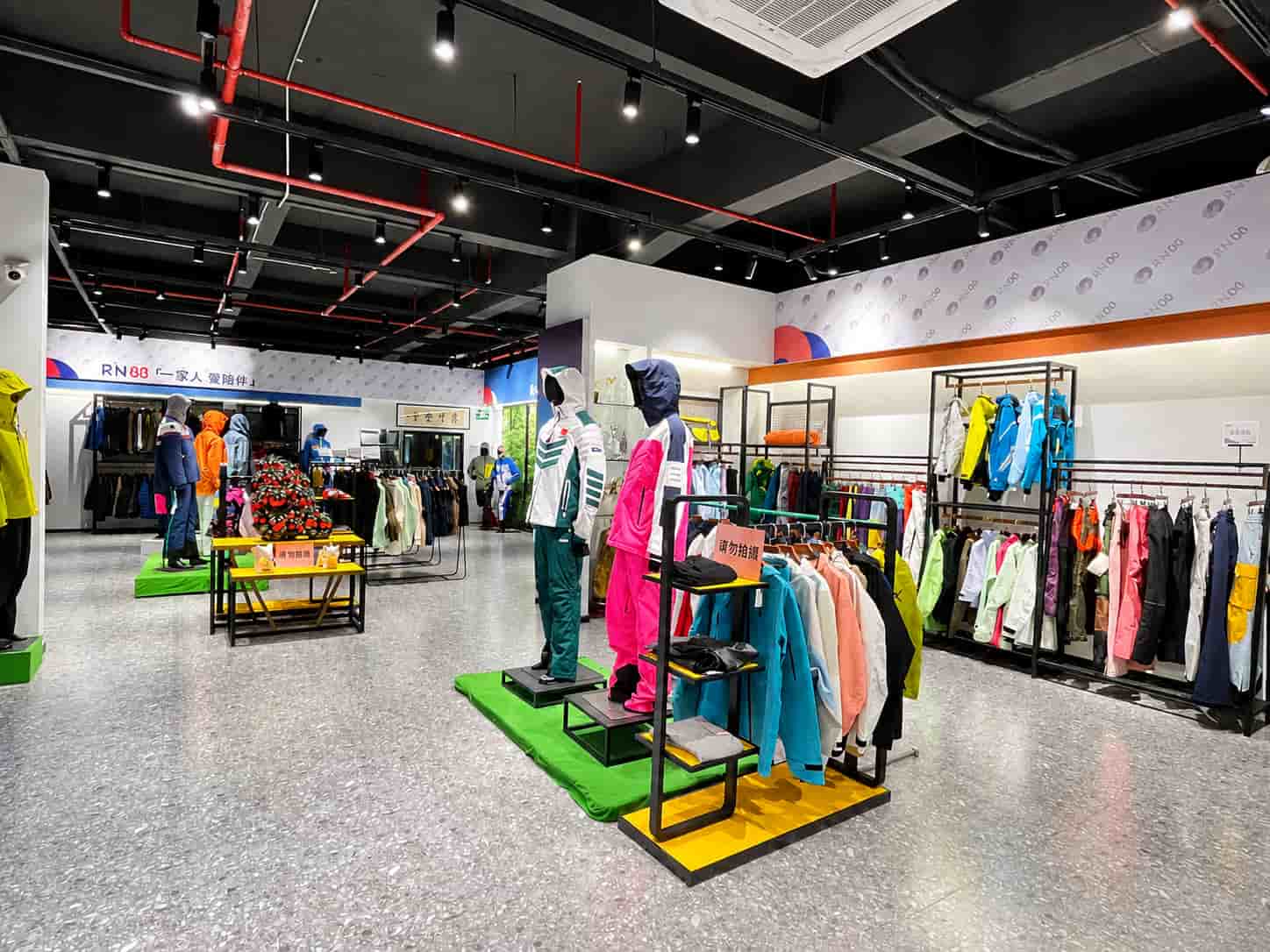
Our production floor and showroom both have no-photography signage posted at the entrance, applying to staff and visitors alike. This isn't only about one client's design being photographed and shared; it also means a visiting buyer touring the factory isn't seeing another client's in-development samples laid out for anyone walking through to photograph.
If you visit and want photos of your own order in progress for your own use, we can arrange that directly — it's the blanket, uncontrolled photography that's restricted.
For technical outerwear, design protection usually covers more than a logo or a color palette. A jacket development file can include pattern structure, fabric selection, seam construction, pocket layout, functional details like hood or cuff design, logo placement, and specific trims or hardware. For outdoor jackets specifically, proprietary details often extend to waterproof construction methods, seam sealing solutions, insulation combinations, quilting patterns and functional pocket designs.
Two jackets can look similar from the outside while representing very different amounts of development work behind them — differences in fabric layers, seam construction, insulation structure and functional details are often where the real proprietary value sits, not just the visible silhouette or color.
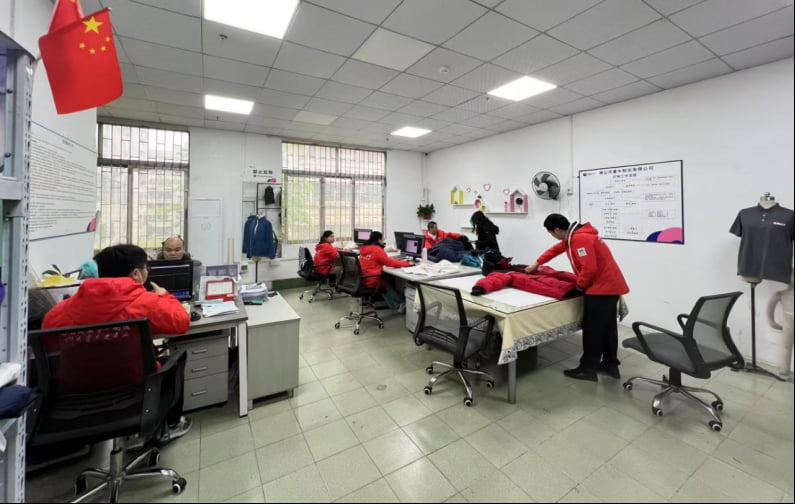
Being straightforward about the limits here matters as much as the practices themselves. Signed agreements, separated client files and controlled photography reduce casual exposure — a photo ending up somewhere it shouldn't, a pattern getting pulled into the wrong project by accident. They're not a guarantee against every scenario, and we're not going to claim they are. If a design is genuinely high-stakes — something a brand's entire next season depends on — a confidentiality agreement with real terms, not just a verbal understanding, is worth having regardless of how any individual factory describes its internal practices.
Do you require an NDA for every custom development project?
We sign one for projects involving a proprietary pattern, exclusive color system, or brand-specific design work — typically when a client requests it. It's signed before development starts, and we can send a blank template in advance so you can see what's covered before committing to anything.
What information should I avoid sending before confidentiality is confirmed?
Before confidentiality requirements are confirmed, brands usually share only the information needed for an initial evaluation. Detailed tech packs, original patterns, artwork files and exclusive construction details can be shared once the appropriate protection process is agreed.
How are client designs kept separate from other customers' orders?
Each client's patterns, trim specifications, and artwork are stored in that client's own file rather than a shared reference library. Development work on an exclusive style doesn't get pooled with general stock patterns available to other inquiries.
Can visitors or staff take photos in your factory?
Photography is restricted in both the production floor and showroom, with signage posted at the entrance, applying to staff and visitors alike. A buyer wanting photos of their own order in progress can arrange that directly with us.
Does this cover more than just logo and artwork for a jacket program?
Yes. For technical outerwear specifically, pattern structure, seam construction, pocket layout and other functional details are part of what makes a design proprietary, and they're protected under the same practices as branding materials.
Does this guarantee my design will never be copied?
No single set of internal practices can promise that absolutely, and we won't claim otherwise. What we can offer is a structural reduction in casual exposure, plus a confidentiality agreement with real terms when a project calls for one.
Before sharing your tech pack or private label jacket design, you're welcome to discuss confidentiality requirements with [our team as an outdoor jacket OEM manufacturer].
For brands still comparing suppliers, our guide to [selecting an outdoor jacket manufacturer] covers what to verify before this stage, and our guide on [preparing a tech pack for OEM production] covers what to include before you reach out.