
+86 18928650351
jacket3@ruiniufashion.com
EN
Frequently Asked Questions

What is the difference between polar fleece jacket and cotton fleece jacket

Jul 11,2026 2249

Polar Fleece vs Cotton Fleece Jackets: OEM Manufacturing Guide for Outdoor Brands

When outdoor brands develop a new fleece jacket collection, fabric selection directly affects product positioning, production cost, retail price, and customer expectations.

Choosing between polar fleece and cotton fleece is not simply a material decision. It determines how the jacket performs, where it can be sold, and what manufacturing requirements the factory must manage.

This guide covers what outdoor brands and OEM buyers need to know before committing to either construction.

What Each Fabric Actually Is in a Production Context

Polar fleece:

A synthetic knit fabric, typically 100% polyester, produced by brushing the fiber surface to create a raised pile. The brushing process creates air pockets between fibers that trap body heat — which is where the insulation performance comes from. Fabric weight typically ranges from 100gsm (lightweight mid-layer) to 300gsm+ (heavyweight insulation layer).

For OEM production, polar fleece is generally easier to source consistently because polyester fleece has a more mature global supply chain and more stable performance between production batches.

Common polar fleece constructions used in OEM production:

ConstructionWeightTypical Application
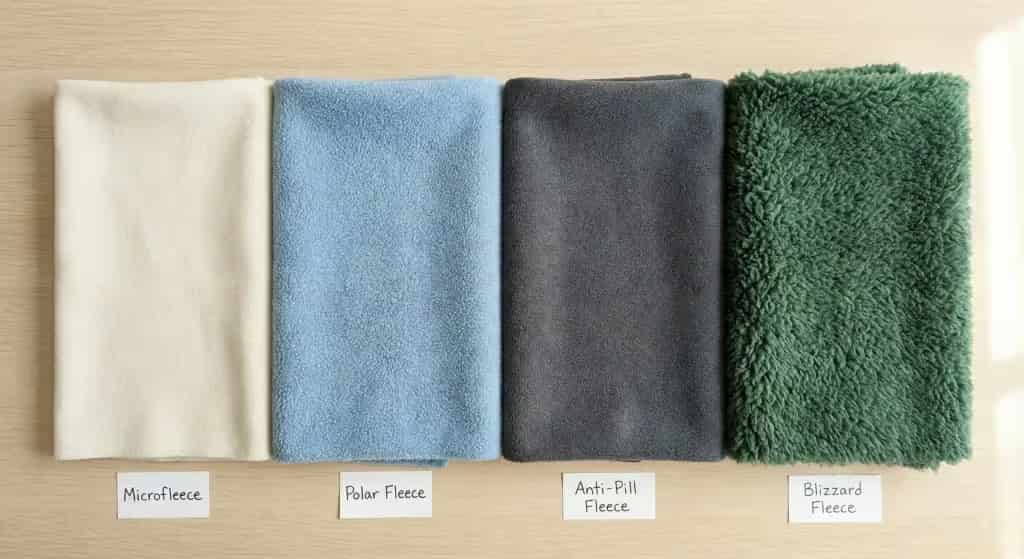
Microfleece100–150gsmBase layer, lightweight mid-layer
Standard polar fleece200–250gsmMid-layer, casual outdoor jacket
Heavyweight fleece300gsm+Insulation layer, cold weather outer
Bonded fleeceVariesSoftshell inner layer, structured jackets
Grid fleece150–200gsmTechnical mid-layer, moisture management

Cotton fleece:

A knit fabric with a cotton-dominant composition — typically 80% cotton / 20% polyester, or 100% cotton. The inner surface is brushed to create a soft pile similar to polar fleece, but the fiber properties are fundamentally different. Cotton fleece is heavier, absorbs moisture rather than wicking it, and takes significantly longer to dry.

For brands ordering cotton fleece jackets, shrinkage control and color consistency become critical quality checkpoints during bulk production.

Polar Fleece vs Cotton Fleece Jackets: OEM Manufacturing Guide for Outdoor Brands

Performance Comparison: What Matters for OEM Buyers

FactorPolar FleeceCotton Fleece
Fiber composition100% polyester (synthetic)80/20 cotton-poly or 100% cotton
Weight range100–350gsm280–450gsm
Moisture managementWicks moisture away from skinAbsorbs moisture, slow drying
Warmth when wetGenerally maintains better warmth retention in damp conditionsLoses most insulation when wet
BreathabilityHighMedium–High
DurabilityHigh — resists pilling with quality yarnMedium — prone to shrinkage and shape loss
Washing requirementsMachine wash, quick dryCold wash, low heat dry to prevent shrinkage
Material cost tendencyGenerally lowerGenerally higher for premium cotton
Retail positioningTechnical outdoor, performanceLifestyle, casual, streetwear
Sustainability optionsRecycled polyester (GRS certified)Organic cotton (GOTS certified)

Manufacturing Differences That Affect Cost, MOQ, and Production Risk

From a manufacturing standpoint, polar fleece and cotton fleece require different handling at almost every production stage. These differences directly affect sampling timelines, bulk production risk, and final FOB price.

Cutting:

Polar fleece has a nap direction — the pile lies in one direction. Consistent cutting with the nap requires more precise layout planning and increases fabric waste by 8–12% compared with non-directional fabrics. Cotton fleece is more forgiving in layout but requires pre-washing to account for shrinkage before cutting begins.

Sewing:

Polar fleece requires flatlock or coverstitch seaming for stretch garments. Standard lockstitch seams on fleece can cause seam distortion during wear. Cotton fleece sews more like a standard knit but needs tighter tension control to prevent seam tunneling.

Finishing:

Polar fleece is dimensionally stable after washing and does not require ironing. Cotton fleece garments often require steam finishing before folding and packaging to maintain presentation quality — adding labor time and cost at the final QC stage.

Shrinkage testing:

Cotton fleece must be tested for shrinkage before bulk production. A 3–5% shrinkage rate is typical for untreated cotton fleece. Patterns must be graded to account for post-wash dimensions. Brands that skip this step receive garments that are one size smaller than specified after the customer's first wash — a quality issue that generates returns and damages brand credibility.

Market Positioning: Which Fabric for Which Brand

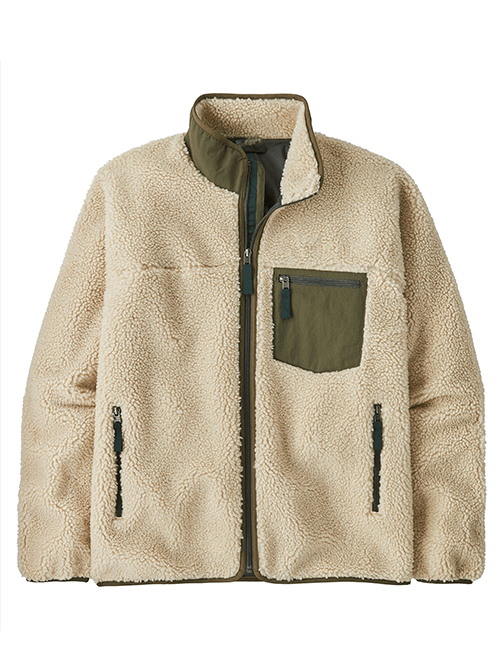
Polar fleece fabric construction for custom outdoor jacket manufacturing

Polar fleece is the right choice if:

Your brand targets outdoor performance, hiking, skiing, or any activity where moisture management and warmth retention matter. Polar fleece is also the standard choice for corporate uniform programs and promotional outerwear where durability and easy care are priorities.

Recycled polyester fleece — made from post-consumer PET bottles with GRS certification — is increasingly standard for brands targeting European retail or sustainability-focused consumers. The performance is identical to virgin polyester fleece with a cost premium of typically 10–15%.

Cotton fleece is the right choice if:

Your brand targets lifestyle, streetwear, or casual markets where softness, natural feel, and aesthetic matter more than technical performance. Cotton fleece is the standard fabric for hoodies, sweatshirts, and casual zip-ups sold outside the technical outdoor channel.

Organic cotton fleece with GOTS certification suits brands targeting premium lifestyle, yoga, or wellness markets. Cost is significantly higher than standard cotton fleece but opens access to specialty retail channels with strong sustainability requirements.

Why Some Outdoor Brands Choose Hybrid Fleece Construction

Many brands developing their own outdoor collection do not choose pure polar fleece or pure cotton fleece. Instead, they develop hybrid fleece products that balance comfort, durability, cost, and market positioning.

Common hybrid constructions used in OEM production:

  • Cotton-poly blend fleece (80/20) — softer hand feel than pure polyester, more dimensionally stable than 100% cotton. The most common construction for casual outdoor lifestyle brands

  • Polyester fleece outer with brushed inner layer — structured outer appearance with soft interior comfort, suitable for mid-layer jackets

  • Bonded fleece combined with softshell panels — technical performance at high-movement zones with fleece comfort at the body. Common in ski touring and alpine mid-layers

  • Fleece-lined windbreaker construction — lightweight shell outer with bonded fleece inner, suitable for everyday outdoor and urban use

These constructions allow brands to develop products positioned between technical outdoor and lifestyle markets — often at a retail price point that neither pure polar fleece nor cotton fleece alone can achieve.

This is where ODM development adds the most value. Rather than selecting from stock fabric options, brands work with the factory to engineer a specific construction that meets both performance requirements and cost targets.

Custom Fleece Jacket Development: Specifications Brands Must Confirm

Incomplete specifications at the development stage cause sampling delays and revision rounds that add cost and time. Confirm these before the first prototype:

Fabric specifications:

  • Fiber composition and ratio (100% polyester / 80:20 / 100% cotton)

  • Fabric weight (gsm) — directly determines warmth and hand feel

  • Pile height and brushing direction

  • Anti-pilling treatment standard

  • Certification requirement (GRS, GOTS, OEKO-TEX)

Construction specifications:

  • Seam type (flatlock, coverstitch, or bound seam)

  • Hem and cuff construction (ribbed, flatlock, or raw edge)

  • Zipper specification (full-zip, quarter-zip, brand and model)

  • Pocket construction and placement

  • Hood specification if applicable

Retail readiness:

  • Logo application method (embroidery, heat transfer, woven patch)

  • Label and hangtag specifications

  • Packaging requirements (poly bag, folding spec, carton marking)

  • Barcode placement for retail compliance

  • Care label requirements for target market

Private Label Fleece Jacket Development Process

For brands building their own custom fleece jacket collection under a private label, the development process at RUINIU typically follows:

  1. Category and fabric confirmation — polar fleece, cotton fleece, or hybrid construction; weight and certification

  2. Pattern development — new pattern or modification of factory base pattern

  3. Logo and branding — embroidery placement, woven label design, hangtag specification

  4. Sample development — first sample in 7–10 days from confirmed tech pack

  5. Fit and color approval — 2–3 revision rounds standard

  6. Pre-production sample sign-off — all specifications locked before bulk production begins

  7. Bulk production — 35–45 days standard lead time

  8. Retail packaging — custom labels, hangtags, poly bags, barcode placement for retail-ready delivery


Frequently Asked Questions

Q: What is the MOQ for custom fleece jackets at RUINIU?

MOQ starts from 100 pieces per style/color for both polar fleece and cotton fleece jackets. For styles requiring custom fabric development or specialty yarns, MOQ may vary based on fabric mill minimums.

Q: What is the difference between OEM and ODM fleece jacket production?

OEM production follows the brand's existing design, tech pack, or reference sample — RUINIU manufactures to your exact specification. ODM development allows brands to work with our team on fabric selection, pattern development, and product optimization based on target market requirements. Both services are available at RUINIU.

Q: Is recycled fleece available for custom production?

Yes. We source GRS-certified recycled polyester fleece for brands with sustainability requirements. Performance is equivalent to virgin polyester fleece. GRS transaction certificates are provided for each order using recycled content.

Q: Can you develop a fleece jacket from our reference sample?

Yes. RUINIU supports full OEM and ODM development from tech packs, sketches, or reference garments. We evaluate fabric construction, identify production risks, and provide a development quotation before sampling begins.

Q: How do you handle cotton fleece shrinkage in production?

We conduct pre-production shrinkage testing on all cotton fleece fabrics before pattern cutting. Patterns are graded to finished post-wash dimensions. Shrinkage test reports are available upon request.

Q: What certifications do you hold for fleece jacket production?

Our factory holds BSCI, ISO 9001, and OEKO-TEX Standard 100 certifications. GRS and GOTS certified materials are available for brands with specific sustainability or recycled content requirements.

Q: Do you provide retail-ready packaging?

Yes. We support custom woven labels, hangtags, poly bags, carton marks, and barcode placement for retail-ready delivery. Packaging specifications are confirmed during the sample development stage.

Q: Can I arrange third-party inspection before shipment?

Yes. We welcome pre-shipment inspections by SGS, Bureau Veritas, and Intertek directly at our factory in Nanhai District, Foshan, Guangdong.


The Decision Comes Down to End Use

Polar fleece for performance and durability. Cotton fleece for comfort and lifestyle positioning. Hybrid constructions for brands targeting the space between.

The fabric choice should follow directly from your customer profile and retail positioning — not from which fabric is cheaper or easier to source.

RUINIU supports outdoor brands, lifestyle labels, and corporate programs with custom fleece jacket development, from fabric sourcing and sampling to bulk production and retail-ready packaging.

Start your custom fleece jacket project →

polar fleece jacket manufacturer , custom fleece jacket , fleece jacket OEM , outdoor fleece supplier ,

Related news

Your Name
Email Address
Your Message
As a collection of clothing design, production and service in one professional garment enterprise, Ruiniu Garment’s mission:To deliver premium quality apparel, achieve win-win growth with partners, and contribute to smart, comfortable clothing for all.

Quick Contact

  • Address3rd Floor, Xiyueqijian Complex Building,Leigang Community, Guicheng Subdistrict,Nanhai District Foshan,Guangdong,China
  • Phone+86 18928650351
  • Emailjacket3@ruiniufashion.com
  • WhatsApp+86 18928650351
© 2024 Foshan Ruiniu Clothing Co.,Ltd. All Rights Reserved. Privacy Terms & Conditions Sitemap
  • Address3rd Floor, Xiyueqijian Complex Building,Leigang Community, Guicheng Subdistrict,Nanhai District Foshan,Guangdong,China
  • Phone+86 18928650351
  • Emailjacket3@ruiniufashion.com
  • WhatsApp+86 18928650351
© 2024 Foshan Ruiniu Clothing Co.,Ltd. All Rights Reserved.
WhatsApp
Email
Inquire
TOP