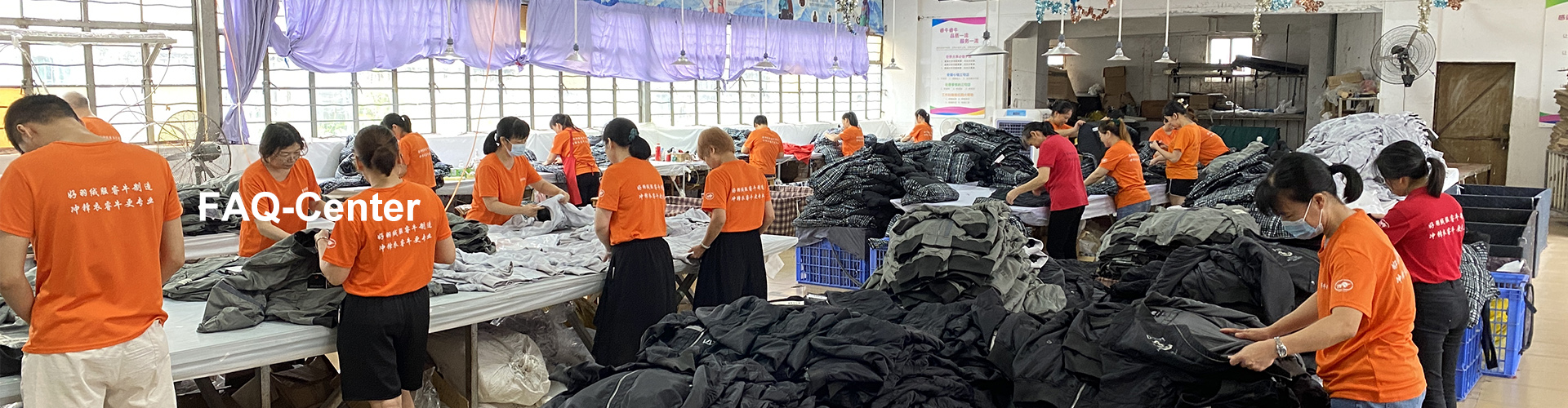

A first custom jacket sample can take roughly one to three weeks after the design information and sample materials are confirmed. A simple style made with available fabric may move faster. A technical shell, custom-colour material, special trims or an incomplete tech pack can extend development to several weeks. Courier time and later revision rounds are additional.
Short answer: ask the supplier for two dates, not one: the date when all information and materials will be ready, and the date when the finished sample will leave the factory. “Sample lead time” should also state whether it covers only the first prototype or includes fit revisions, performance testing and a pre-production sample.
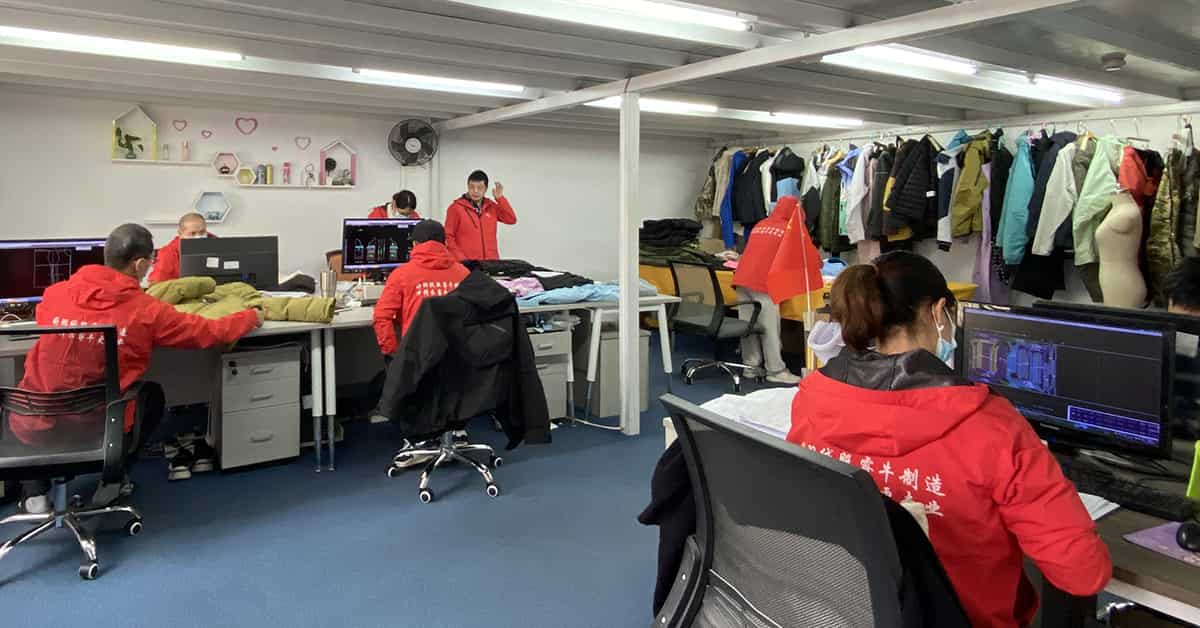
The stages below are useful for planning, but they are not a guaranteed schedule. Some steps overlap, and a factory should quote against the actual jacket specification.
| Stage | Planning allowance | Main variable | Buyer action |
|---|---|---|---|
| Brief and tech-pack review | 1–3 working days | Missing measurements or conflicting details | Answer questions in one consolidated reply |
| Fabric and trim readiness | 3–10+ working days | Stock availability, custom colour and special trims | Approve available sample substitutes if appropriate |
| Pattern and first construction | 4–8 working days | Style complexity and sample-room queue | Confirm which details must be exact in round one |
| Internal inspection | 1–2 working days | Measurement corrections and workmanship issues | Request measurements and photos before dispatch |
| International courier | Usually several days | Destination, customs and service level | Keep receiver and import details ready |
The start date should be agreed. Factories often cannot begin pattern work or sourcing from a reference image alone. The schedule may start only after the tech pack is reviewed, sample fee is paid, colours are identified and the buyer answers open technical questions.
If a special fabric, zipper or logo component is required, the sample room may be ready while materials are not. Put information readiness and material readiness on the same tracker. This makes the real cause of a delay visible.
Technical drawing showing front, back, inside and key construction details
Base size and finished-garment measurement chart
Shell, lining and insulation specifications
Colour references and acceptable sample substitutions
Zippers, snaps, cord, elastic, labels and packaging details
Logo artwork, size, position and application method
Performance targets and required test methods
Purpose of the sample: design review, fit, sales, testing or pre-production approval
A clean tech pack does not need to be elaborate, but it must be internally consistent. If a drawing shows one pocket while the bill of materials lists another, the factory has to stop and ask which instruction controls.
This first physical sample checks the general design, construction and proportions. Available materials may be used if the purpose is clearly recorded and the buyer accepts the substitutions.
A fit sample focuses on measurements, balance, movement and layering allowance. One or more revisions may be needed, especially for a new block or a technical silhouette with articulated sleeves and a helmet-compatible hood.
Selected sizes are made to check grading and size-to-size consistency. This comes after the base-size fit is sufficiently stable.
The pre-production sample should represent the intended bulk materials, trims, construction and branding. It is an approval reference for production, not simply another design sample.
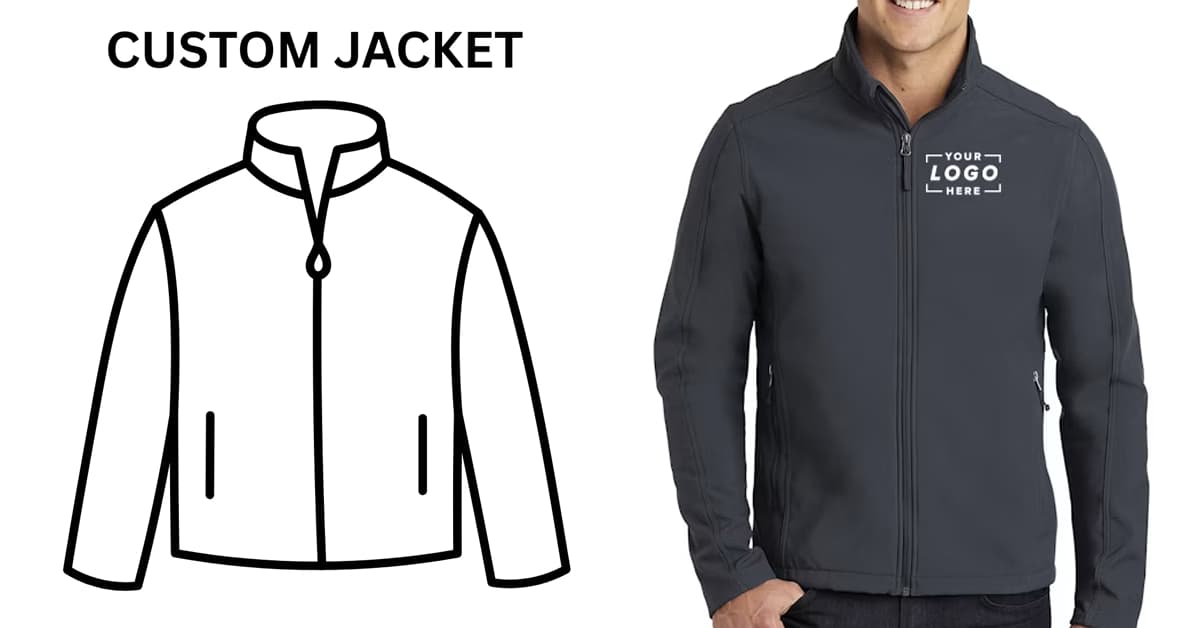
A basic fleece or windbreaker generally has fewer operations than a three-layer waterproof shell, insulated ski jacket or 3-in-1 system. Features that commonly add development work include:
Custom-dyed, laminated or certified materials that are not immediately available
Seam-taping trials and waterproof construction
Baffles, quilting and controlled down or synthetic fill distribution
Multiple pocket systems, ventilation, snow skirts or detachable components
Moulded trims, custom zipper pullers and complex logo applications
Lab testing that must be completed before the next approval stage
Separate exact requirements from sample substitutions. State which materials and trims must be production-correct in the first round.
Freeze the base design before sampling. Adding pockets, changing seam lines or switching insulation mid-round resets pattern and sourcing work.
Use one comments sheet. Combine fit, design and workmanship comments with photos and numbered callouts.
Return comments quickly. A sample-room slot may be lost if approval sits unanswered for several days.
Approve by evidence. Request the measurement report and clear photos before international dispatch, but still review the physical sample when hand feel, fit or colour matters.
Sample approval checklist
Fit, balance, range of movement and layering space
Finished measurements against the approved chart
Fabric, lining, insulation and trim references
Pocket access, hood function, closures and adjusters
Logo size, position, colour and finish
Stitching, seam allowance, seam tape and internal construction
Care label, warning label and destination-market information
Every substitution that must change before the next sample or bulk
For product construction options, review our custom outdoor jacket manufacturing page. If your next question is production quantity, see the guide to custom jacket MOQ in China. Technical projects may also benefit from the guide to seam sealing and insulation quality control.
Often it does not. Ask whether the quoted date is sample completion, factory dispatch or delivery to your office.
Yes, when the sample's purpose allows it and every substitution is documented. A pre-production sample should normally use intended bulk materials.
There is no fixed number. A clear, familiar style may need fewer rounds; a new fit block or technical construction may need more. Plan the calendar around approval stages rather than assuming the first sample will be production-ready.