
Seam sealing and insulation control are two separate operations, but both can cause the same commercial result: a jacket that passes appearance inspection and then fails in use. Poor tape application can create leaks. Uneven or incorrectly specified insulation can create cold spots, excess bulk or inconsistent sizing.
Buyer summary: approve the exact fabric-and-tape combination before bulk seam sealing, and define insulation by measurable parameters rather than words such as “warm” or “heavy.” The production file should state the tape, machine settings, taped seam map, insulation type, weight or fill amount, distribution by garment zone and the tests required before shipment.
| QC risk | Typical failure | Control point | Buyer evidence |
|---|---|---|---|
| Seam sealing | Lifting tape, channels, wrinkles or leakage at intersections | Tape compatibility, temperature, pressure, speed and operator technique | Approved taped panel plus agreed leak or pressure test |
| Insulation control | Cold spots, uneven loft, excess bulk or fill migration | Material specification, cutting or filling accuracy, baffle design and zone distribution | Component records, garment weight checks and approved reference sample |
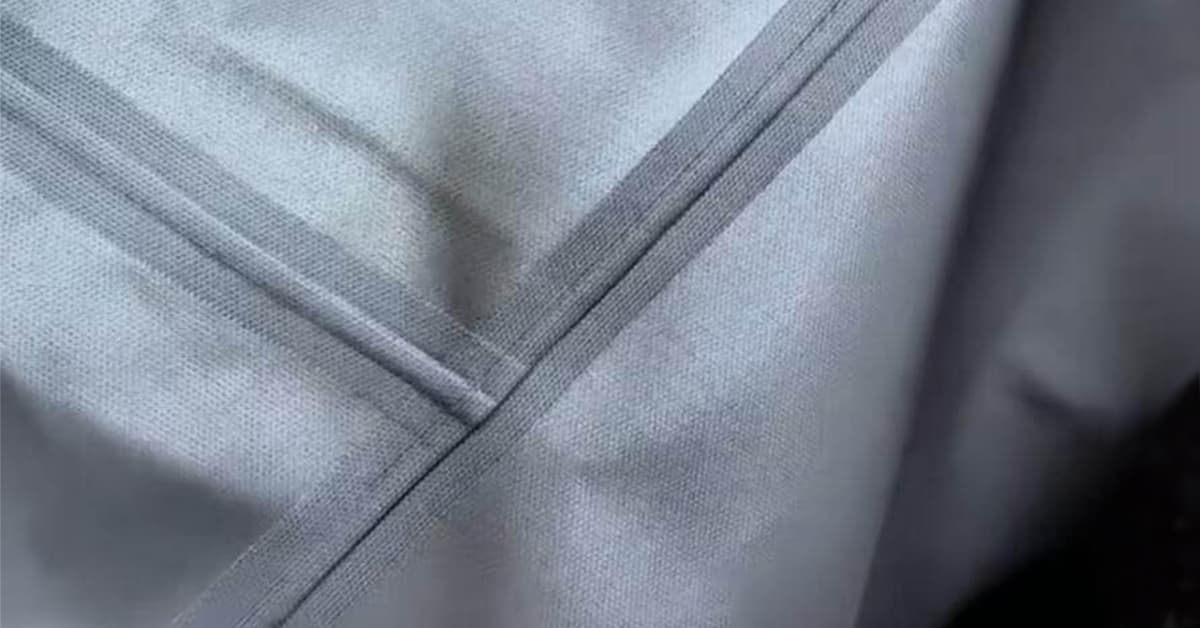
Waterproof fabric is not enough on its own. Needle holes remain at sewn seams, so water can pass through unless the design uses an appropriate sealing method. Seam tape must also bond to the actual face, membrane or coating construction. A tape that works on one three-layer laminate may not perform the same way on a light two-layer fabric.
Compatibility should be checked on the production fabric, in the production colour and after any relevant finish. The factory should trial tape width and machine settings before bulk. A visually clean bond immediately after application is only the first check; adhesion after conditioning, flexing or laundering may also be required for the product's end use.
Fully seam-sealed generally means all seams that can admit water are taped or otherwise sealed. Critically seam-sealed means selected exposed seams—often shoulders, hood, neck or upper body—are sealed. The second approach can reduce cost and weight, but it should not be described as equivalent to a fully taped waterproof shell.
The tech pack should include a seam map. Mark every seam to be taped, the tape width and any areas that require reinforcement. This removes guesswork around pockets, zipper joins, hood attachment, underarm panels and complex seam intersections.
Incorrect heat, pressure or speed: too little energy can leave a weak bond; too much can damage a laminate or distort the face fabric.
Wrinkles and uneven seam allowances: tape cannot bridge a poorly prepared seam consistently.
Contamination: oil, dust, loose thread or moisture can interfere with adhesion.
Difficult intersections: multiple layers, tight curves and zipper ends require careful handling and sometimes a different sequence.
Parameter drift: settings approved at the start of a run may not remain suitable if materials, operators or machine conditions change.
Inline inspection should look for lifting edges, bubbles, tunnelling, scorch marks, delamination and incomplete overlap. Testing frequency should be written into the quality plan and adjusted to the product claim and risk level.
The term is often used loosely. Synthetic sheet insulation is commonly specified by material type and nominal weight, usually in grams per square metre. Down insulation is normally controlled through fill type, down/feather composition, fill power and the actual fill weight placed in each garment or zone. These numbers describe different properties and should not be substituted for one another.
A higher number does not automatically produce the right jacket. Warmth also depends on loft, wind protection, garment fit, moisture exposure, quilting or baffle design and how insulation is distributed. The buyer should define the intended climate and activity level before choosing the insulation package.
For sheet insulation, confirm the supplier, product reference, composition, nominal weight, thickness or loft where relevant, and permitted tolerance. Bulk rolls should be checked against the approved material. Cutting accuracy matters because compressed, stretched or pieced components can create uneven coverage.
Some designs use different weights by zone—for example, more insulation at the torso and less in sleeves to improve movement. If so, colour-code or clearly label the cut components and record the zone map in the tech pack. Quilting spacing and attachment method should also be approved because they affect stability and loft.
For down jackets, fill power and fill weight must be considered together. Fill power indicates loft potential under a defined test method; fill weight is the amount placed in the garment. A high fill-power material with too little fill can still leave cold areas, while adding more fill than the baffle can hold may reduce loft and create an overstuffed appearance.
The production sheet should give a fill amount by size and, for technical products, by garment zone or baffle group. Filling records, calibrated scales and periodic garment weight checks help control variation. Baffle leakage, fill migration and down-proof fabric performance also need separate checks.
Approve the shell, lining, seam tape and insulation by exact supplier reference.
Confirm the waterproof construction claim and taped seam map.
Run tape trials on the actual bulk fabric and record workable machine settings.
Approve insulation amount, zone distribution, quilting or baffle dimensions.
Build a pre-production sample using intended bulk materials.
Complete the agreed waterproof, laundering, dimensional and appearance checks.
Seal an approved sample and measurement record for inline and final inspection.
Which seams are fully taped, critically taped or left unsealed?
What tape reference is approved for this exact fabric?
Which test method and acceptance level support the waterproof claim?
How often are tape adhesion and leak checks performed during production?
Is insulation specified by material reference, weight, fill power and garment fill amount as applicable?
How is insulation distribution controlled across sizes and garment zones?
What records will be included in the final inspection file?
Brands developing a weather-protective shell can review our custom waterproof jacket manufacturing page. For insulation-led products, compare the construction options for custom down jackets and custom puffer jackets. A custom softshell jacket follows a different weather-protection and breathability balance.
No. Garment performance also depends on seam construction, sealing coverage, zippers, openings and workmanship. The finished product must be assessed against its intended claim.
Not in every design. Excess fill can restrict loft or movement, and warmth depends on the full clothing system. The correct amount should be developed around the insulation type, baffle volume, fit and end use.
Final checks are important, but they are too late to control every defect efficiently. Material compatibility, trial settings and inline checks should be completed before and during bulk production.