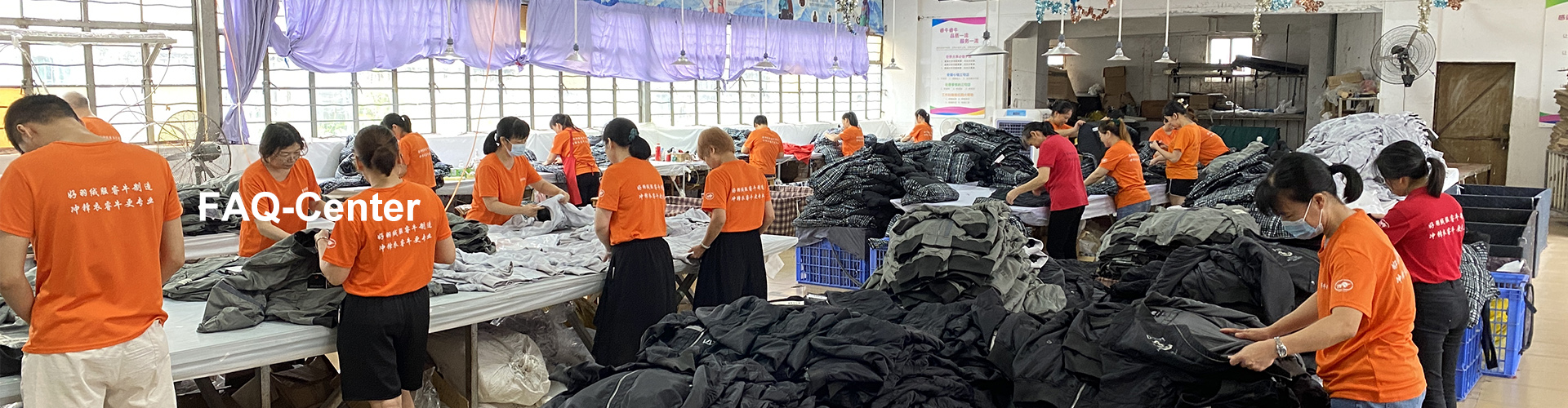

PFAS-free DWR and OEKO-TEX® STANDARD 100 answer different sourcing questions. A DWR claim describes the chemistry used to help water bead on a fabric surface. STANDARD 100 is a certification for textiles tested for harmful substances within a defined product scope. Neither phrase, by itself, proves that an outdoor jacket complies with every rule in every destination market.
Buyer summary: define what “PFAS-free” means in the purchase specification, identify every material and finish in scope, request current certificates and test reports, and check the rules of each sales market. Do not treat “C0,” “PFC-free,” a fabric certificate or a supplier declaration as interchangeable evidence.
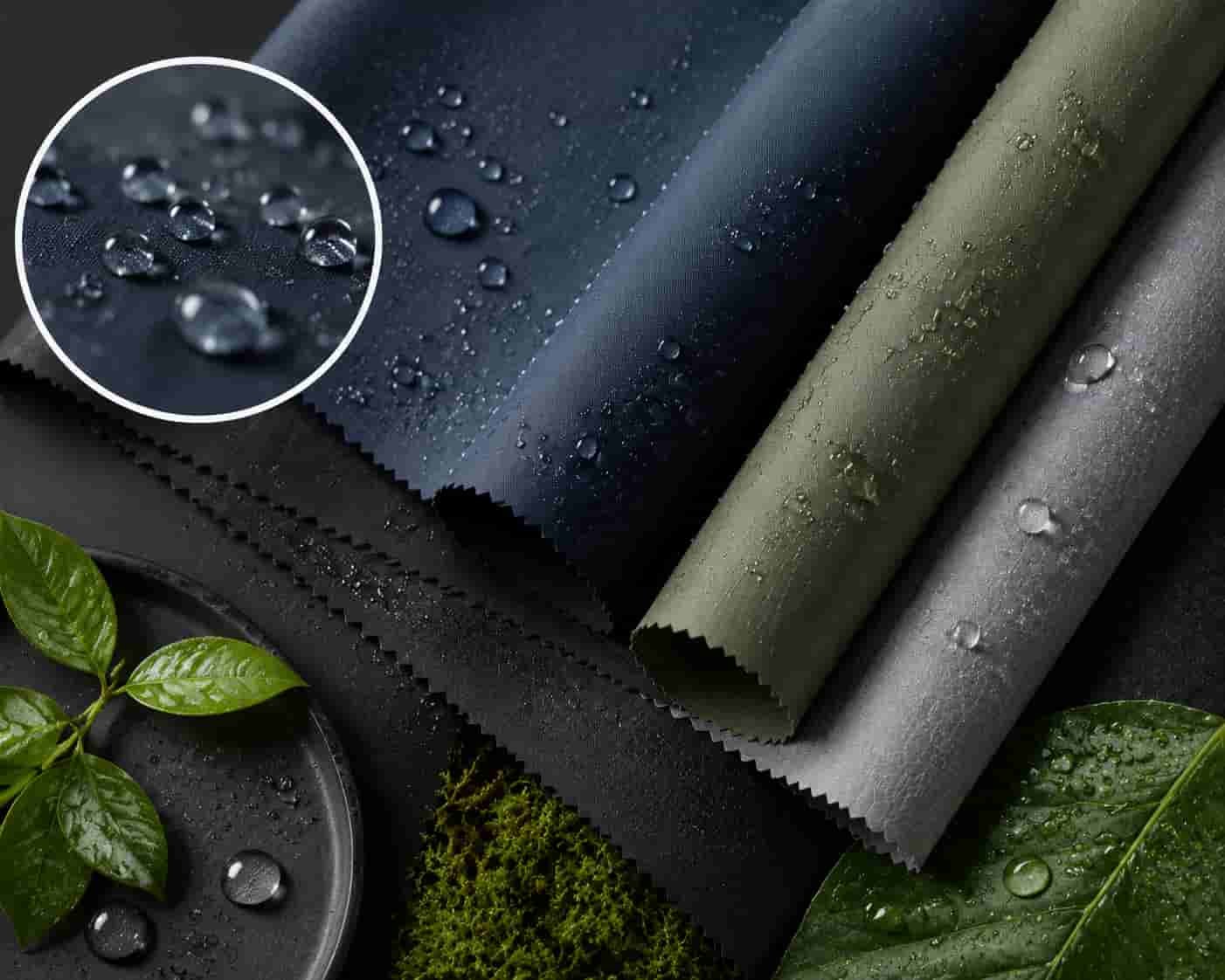
Durable water repellent, or DWR, is a surface treatment intended to reduce wetting of the fabric face. It can help water form droplets and roll away. It does not create a waterproof membrane, close needle holes or seal zipper openings.
A waterproof jacket normally relies on several parts working together: the laminate or coating, seam construction, seam tape, zipper design, hood and opening management. A PFAS-free DWR can support surface performance, but the finished jacket still needs tests that match its waterproof claim and end use.
PFAS is a broad family of substances. Marketing terms are not always used consistently, so the buyer should write a measurable requirement instead of relying on a short label. A specification may address intentional use, restricted individual substances and analytical screening, but the appropriate wording and limits depend on the market and testing programme.
Ask the fabric mill or chemical supplier for the finish trade name, technical data, safety information and a written statement covering the exact production lot. If a laboratory test is required, agree on the method, sample type, reporting threshold and acceptance criteria before production. A result for one fabric quality or one old lot should not automatically be applied to every future order.
PFAS requirements are developing through different laws, proposals and reporting schemes. In the European Union, ECHA describes the broad PFAS restriction as a proposal under scientific evaluation; it should not be presented as if one final universal ban has already taken effect for every use. Existing restrictions for particular PFAS still need to be considered separately.
In the United States, federal requirements and state rules do not form one simple nationwide textile standard. The US EPA's TSCA PFAS reporting rule has also been subject to deadline changes and proposed scope changes. The legal responsibility can depend on who manufactures or imports the article and on the final rule in force at the relevant time.
| Official source | What it helps verify | Buyer use |
|---|---|---|
| European Chemicals Agency: PFAS | Status of the broad EU restriction proposal and related updates | Check current EU status instead of copying an old deadline |
| US EPA: TSCA PFAS reporting | Current reporting dates, scope and proposed changes | Confirm importer obligations with qualified US advice |
| OEKO-TEX® STANDARD 100 | Certification purpose, product classes and certificate checking | Verify certificate number, scope, class and validity |
This article is a sourcing guide, not legal advice. Regulations and certification criteria change; confirm the current requirements for the product, importer and sales market before shipment.
According to OEKO-TEX®, STANDARD 100 is a label for textiles tested for harmful substances. Testing is based on the intended use of the article. Jackets are generally listed under Product Class 3, for products without direct skin contact, although the exact certification route should be confirmed for the product.
A certificate has a defined holder, product scope, product class and validity period. A fabric supplier's certificate can support material selection, but it does not automatically certify the buyer's finished jacket. Zippers, thread, labels, prints, coatings, seam tape and other components may affect the finished product assessment.
STANDARD 100 should also not be described as proof of recycled content, factory social compliance, carbon performance or waterproof quality. Those are different claims with different evidence.
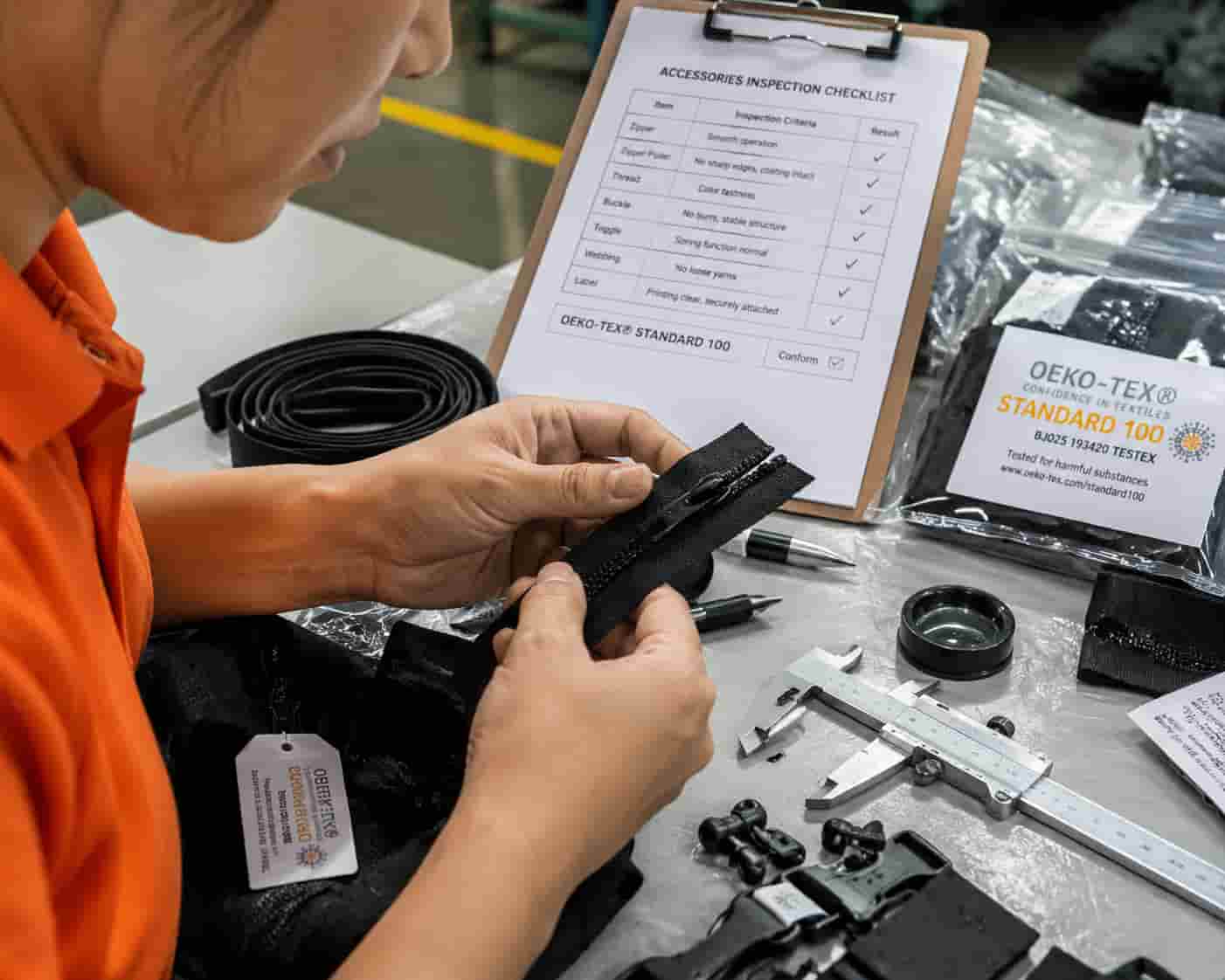
Ask for the complete certificate, not only a logo or cropped screenshot.
Check the certificate number through the official OEKO-TEX label-check system.
Confirm the company name, product description and product class match the material or article being supplied.
Check the expiry date and whether the certificate was valid for the production period.
Keep the certificate, bill of materials and supplier declaration linked to the purchase order and production lot.
A new finish can interact differently with fibre type, weave, dye, membrane, adhesive and curing conditions. The brand should not assume that replacing the chemistry leaves colour, hand feel, seam-tape adhesion and water repellency unchanged.
Approve the finish on the actual fabric and production colour. Then define initial spray performance and durability after the agreed laundering or abrasion cycles. If the jacket is seam sealed, run a tape-compatibility trial after finishing. Record the approved fabric and finish combination so bulk production is checked against a specific reference.
Supplier documentation checklist
Bill of materials covering shell, membrane, lining, insulation and every trim
Finish name, supplier and current declaration for the production lot
Applicable restricted-substance specification and test report
OEKO-TEX certificate number, scope, class and validity where claimed
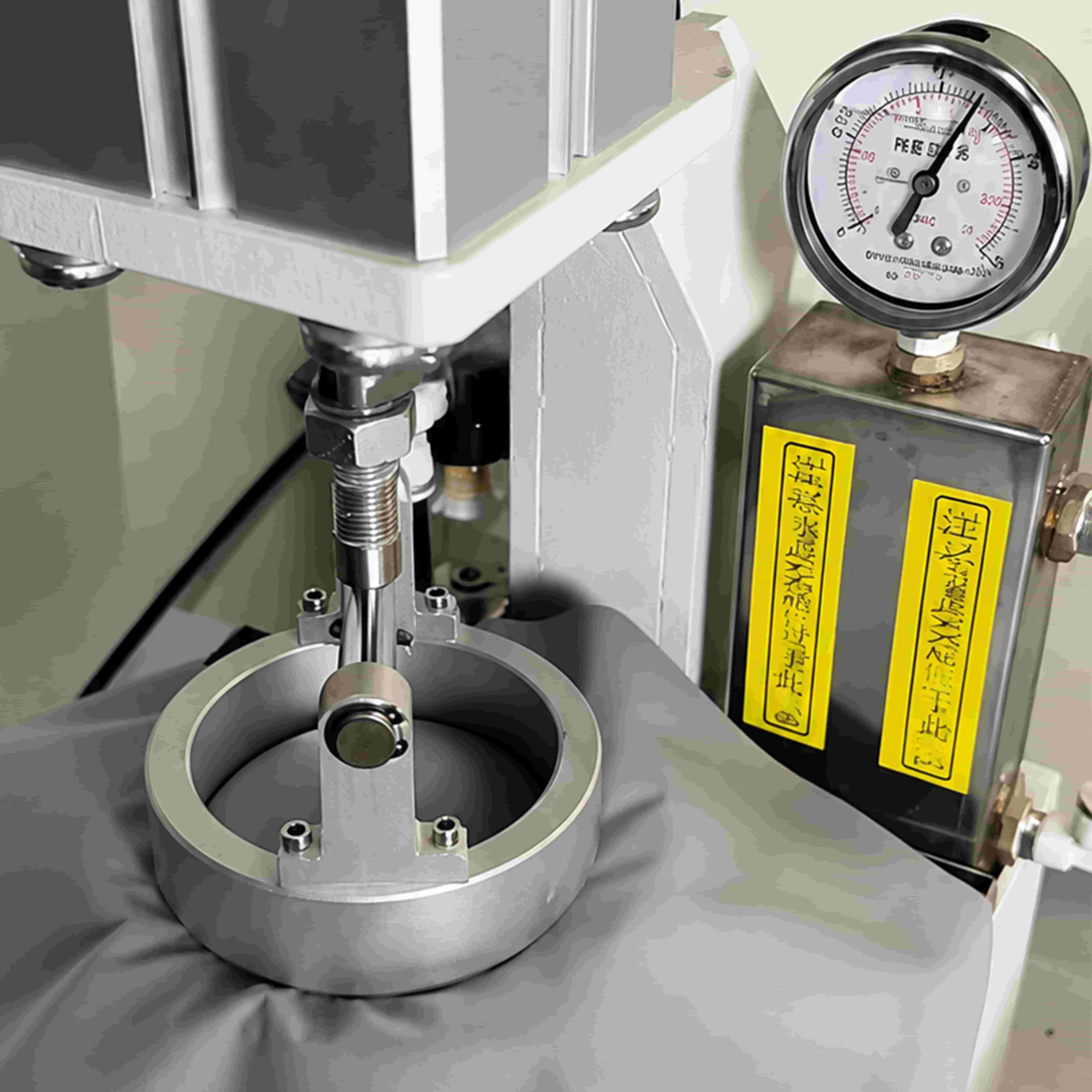
Water-repellency test before and after agreed care cycles
Seam-tape compatibility result for waterproof constructions
Change-control rule preventing unapproved chemical or material substitution
Destination-market review completed by the brand or importer
Sampling: record every substitute material so the pre-production sample can be corrected.
Incoming materials: match supplier references, lot numbers and certificates to the approved bill of materials.
Finishing: control the agreed application and curing parameters at the responsible mill.
Inline production: prevent unauthorised replacement of seam tape, labels, zippers or transfer materials.
Final release: review chemical documentation separately from garment waterproof and workmanship inspection.
For product development, see our custom waterproof jacket manufacturing page and the guide to seam sealing and insulation quality control.
No. DWR controls surface wetting. Waterproof performance also depends on the fabric construction, seams, zippers and garment design.
It is a voluntary harmful-substance certification with a defined scope. It can support due diligence, but the brand or importer must still identify and meet the laws that apply in each market.
Not automatically. Confirm whether the finished article and all relevant components fall within the certificate scope. If the claim is for the finished jacket, the evidence must support that finished product.