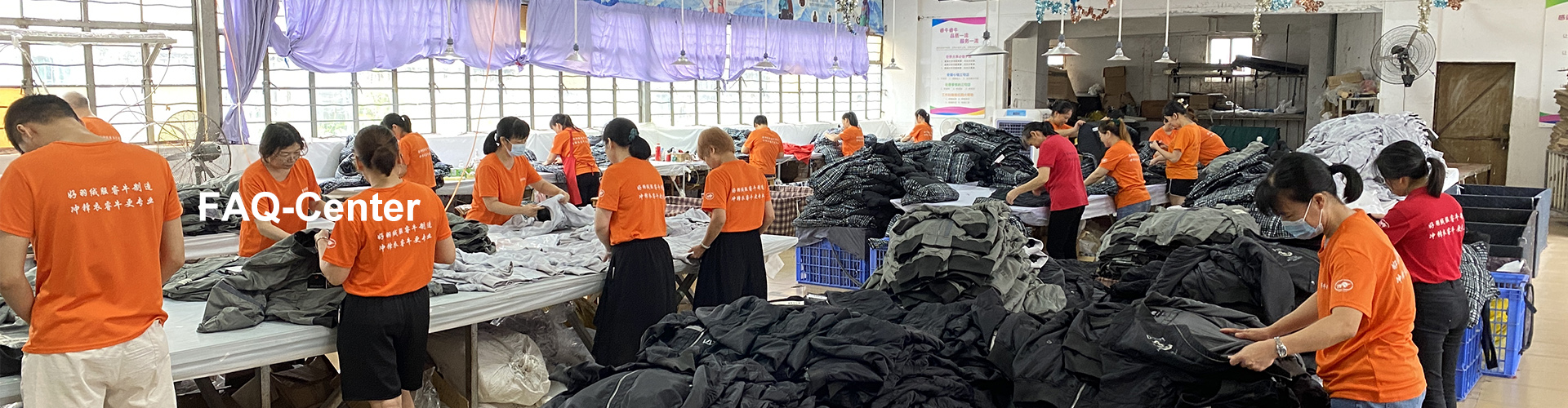

A windbreaker is a lightweight outer jacket designed mainly to reduce the effect of wind. It is easier to carry than a heavy coat and works well for walking, commuting, travel and light outdoor activity in mild or changeable weather.
Quick answer
A windbreaker blocks wind, but it is not automatically waterproof. A tightly woven nylon or polyester shell may handle a brief drizzle, especially when it has a water-repellent finish. For steady rain, choose a rain jacket with a waterproof membrane or coating, sealed seams and protected zippers.
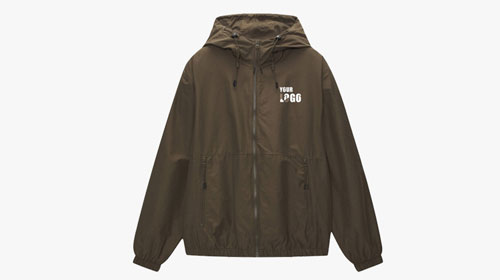
A windbreaker is usually a thin woven jacket with a close fabric structure that slows moving air. Most styles are uninsulated or lightly lined. They may have a full zip, half zip or pullover opening, and can be hooded or hoodless.
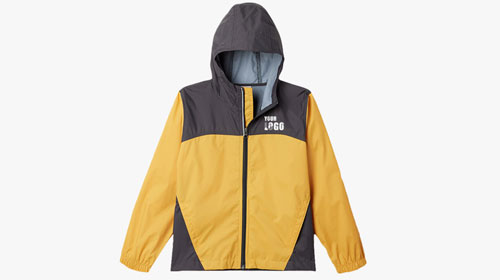
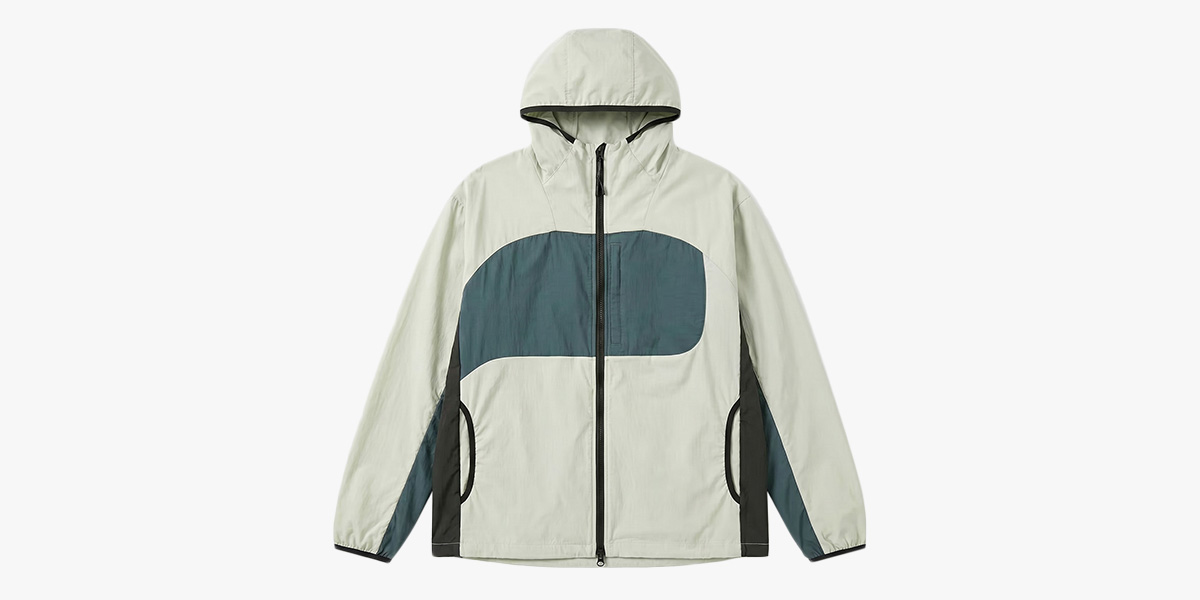
The name describes the jacket's main job rather than one fixed design. A running shell, a packable travel jacket and a casual color-block jacket can all be windbreakers if they are built primarily for light wind protection.
| Jacket type | Main purpose | Rain protection | Typical feel |
|---|---|---|---|
| Windbreaker | Wind and light weather protection | None to light rain resistance, depending on construction | Light, compact and easy to layer |
| Rain jacket | Protection from sustained rain | Waterproof when the fabric and seams meet the stated specification | More protective; may feel less airy |
| Softshell | Mobility, comfort and moderate wind resistance | Usually water-resistant, not fully waterproof | Softer, stretchier and warmer |
For a more detailed weather comparison, see rain jackets vs windbreakers.
Some are, but the word windbreaker alone does not promise waterproof performance. A standard windbreaker may use a dense weave and a durable water-repellent finish to make light rain bead on the surface. Water can still pass through the fabric or seams during longer exposure.
A genuinely waterproof version needs a suitable coating or membrane and careful construction. Seam sealing matters because stitch holes can let water through. Zipper design, hood coverage, cuffs and hem adjustment also affect how well the finished jacket protects the wearer.
When comparing products, look for a stated test method and result instead of relying only on words such as “waterproof” or “weatherproof.” If reliable rain protection is the priority, start with a waterproof jacket specification.
Nylon can produce a light, smooth and durable shell. Ripstop versions add a reinforcing grid that helps limit the spread of small tears. The exact hand feel depends on yarn size, weave, finishing and any coating.
Polyester is widely used for solid colors, prints and casual windbreakers. It can be made in many weights and textures and is often selected when color consistency, cost or print performance is important.
A PU coating or membrane can add water resistance or waterproof performance. This changes breathability, weight, feel and cost, so the material should match the expected weather rather than simply using the highest possible specification.
An unlined shell is light and packable. Mesh lining can improve next-to-skin comfort, while back vents or underarm openings help release heat. These details are useful for running and active use, but their placement must not undermine weather protection.
Hood: fixed, detachable or packable, with enough adjustment to stay in place.
Cuffs and hem: elastic, hook-and-loop tabs or drawcords that reduce wind entry.
Zippers: smooth operation, suitable zipper tape and a storm flap when extra protection is needed.
Pockets: secure placement that remains usable with a backpack or during activity.
Packability: a light jacket may fold into its own pocket or a separate pouch.
Fit: enough room for movement and a light mid-layer without excessive loose fabric.
For running or cycling: prioritize low weight, ventilation, freedom of movement and visibility. A close fit helps reduce flapping in strong wind.
For hiking or travel: look for packability, a useful hood, secure pockets and enough room for a light fleece. Choose the rain specification according to the forecast and trip length.
For commuting: balance weather protection with comfort and appearance. Pocket placement, hood adjustment and a clean shape often matter more than extremely low weight.
For casual wear: fabric texture, color, print and fit may lead the decision. Check the care label and confirm that the level of water resistance matches your expectations.
Follow the garment label because coatings, membranes, seam tape and printed details may require different care. In general, close zippers, empty pockets and use a gentle wash with a suitable detergent. Fabric softener can interfere with some performance finishes, so avoid it unless the manufacturer says it is safe.
If water stops beading on a treated shell, clean the garment first. A compatible water-repellent treatment may restore surface performance, but it will not turn a basic windbreaker into a waterproof rain jacket.
A thin windbreaker provides little insulation, but blocking cold air can make the wearer feel more comfortable. In cooler weather, use it over a fleece or another insulating layer.
A water-resistant windbreaker is suitable for a short drizzle. For persistent or heavy rain, use a jacket designed and tested for waterproof protection.
Windbreakers are most useful in spring, autumn and mild summer weather. They can also serve as an outer shell over warm layers in dry, windy winter conditions.
There is no single best fabric. Lightweight nylon suits packable outdoor styles, while polyester offers broad options for color, texture and printing. The right choice depends on weather protection, durability, appearance, price and care requirements.
Developing a windbreaker for your brand?
Review RUINIU's custom windbreaker options. For fabric specifications, sampling, MOQ and production planning, continue with the B2B windbreaker sourcing guide.