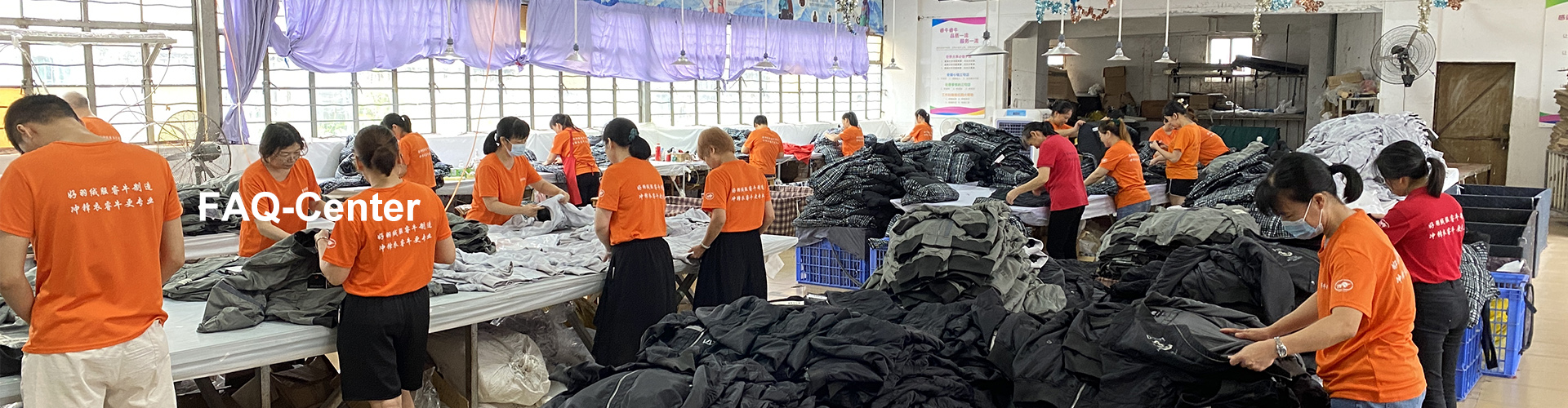

Waterproof jacket manufacturing is a system: fabric, pattern, seam construction, tape, zippers, machine settings and inspection must work together. A good fabric result does not guarantee a waterproof garment if needle holes, seam intersections or openings are poorly controlled.
For OEM buyers, the safest approach is to define the finished-product claim first, then approve material and process settings through samples and testing before bulk production.
Quick answer
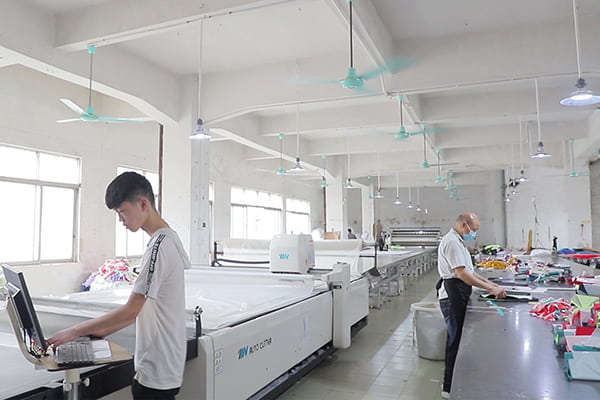
The core steps are specification review, fabric and tape approval, pattern development, controlled cutting and sewing, seam sealing, finished-garment testing and bulk inspection. Record every approved material code and process change so the production line follows the same standard as the sample.
| Stage | Factory control | Buyer approval |
|---|---|---|
| Specification | Review claim, construction and test needs | Tech pack, methods and targets |
| Materials | Check shell, membrane, tape and zipper compatibility | Bulk fabric, colour and technical documents |
| Pattern and sewing | Reduce difficult intersections and control needle holes | Fit, movement and construction sample |
| Seam sealing | Set temperature, pressure, speed and tape width | Approved tape appearance and performance |
| Testing | Inspect risk zones and finished garments | Test report and acceptance criteria |
Define user, climate, exposure time, waterproof target, breathability method, care cycle and whether seams are fully or critically sealed. The specification should state how the finished jacket will be evaluated, not only repeat a mill data sheet.
Tape adhesive must bond to the fabric backer without damaging the laminate. Zipper tape, pocket construction, logo films and reinforcement layers also need compatibility checks. A change in fabric colour or finish can require another sealing trial.
Curves, bulky seam intersections and narrow allowances are harder to tape consistently. Pattern engineering should balance fit and styling with a clean sealing path. Hood seams, underarms, pocket corners and zipper ends deserve early review.
Operators set heat, pressure and speed for the approved fabric and tape. First pieces should be checked before the line continues. Too little bonding can lift; excessive heat or pressure can mark fabric or damage a laminate. Settings should be confirmed through trials rather than copied from another style.
Inspect tape alignment, lifting, wrinkles and missed sections.
Check seam intersections, hood, shoulders, pockets and zipper ends.
Confirm measurements and movement after sealing.
Run the agreed water test on the required sample quantity.
Repeat care or ageing tests when durability is part of the claim.
Record failures and corrective action before shipment.
For rating selection, see the 10K, 20K and 30K waterproof fabric guide.
It depends on the claim and construction. Products claiming complete waterproof protection commonly require all relevant seams to be sealed.
No. Adhesive, width and process settings must be compatible with the exact fabric backing and seam.
No. Finished-garment construction introduces seams and openings that require separate evaluation.
Share the intended use, fabric target and garment claim. RUINIU can review seam construction, sealing requirements and test points before development.