

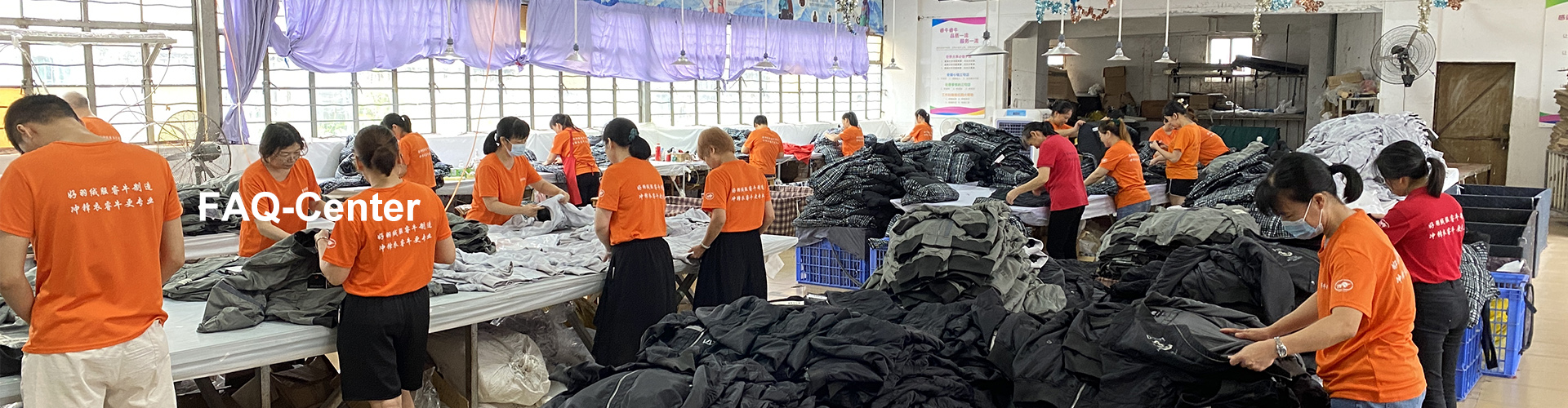
PFAS-Free DWR Coating & OEKO-TEX Standards for Outdoor Brands: 2026 OEM Guide
Introduction: Compliance Is Now a Production Constraint, Not a Choice
In the last few years, we’ve seen a clear shift in how waterproof jackets are developed for EU and US brands.
PFAS regulations, REACH updates, and retailer compliance audits are no longer “future concerns”—they now directly affect material selection before a sample is even approved.
At RUINIU, we don’t treat PFAS-free or OEKO-TEX requirements as add-on certifications. They are already embedded into how we select fabrics, approve accessories, and run production for outdoor jackets.
In practice, compliance is no longer a document—it is a manufacturing condition.
2026 Eco-Compliance Framework (Factory Interpretation)
| Standard | What Brands Think | What Actually Happens in Production | RUINIU Factory Solution |
|---|---|---|---|
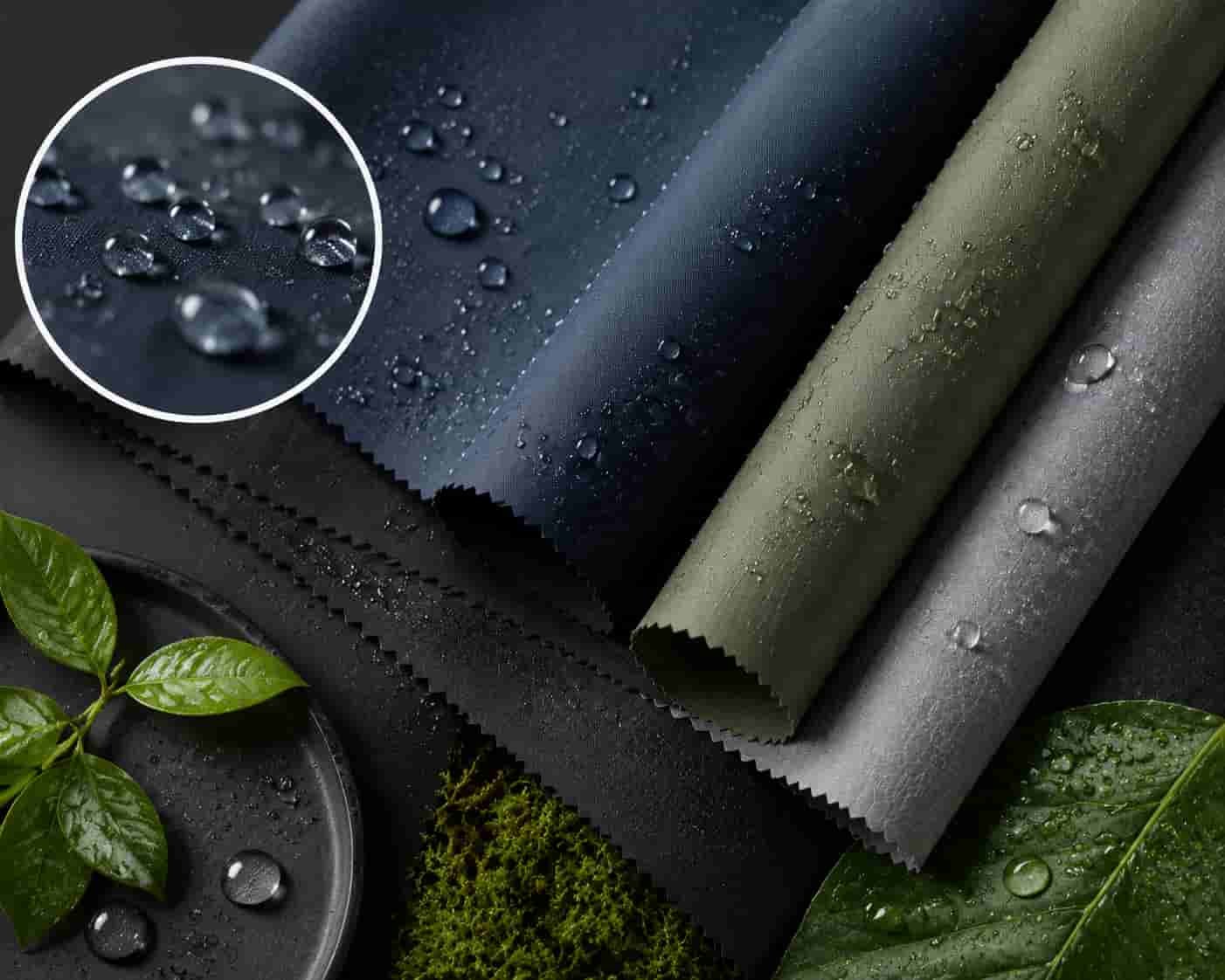
| PFAS-Free DWR | “Just switch coating” | Requires full adjustment of curing temperature & fabric compatibility | Custom adjustment of curing temperatures & AATCC 22 pilot batches |
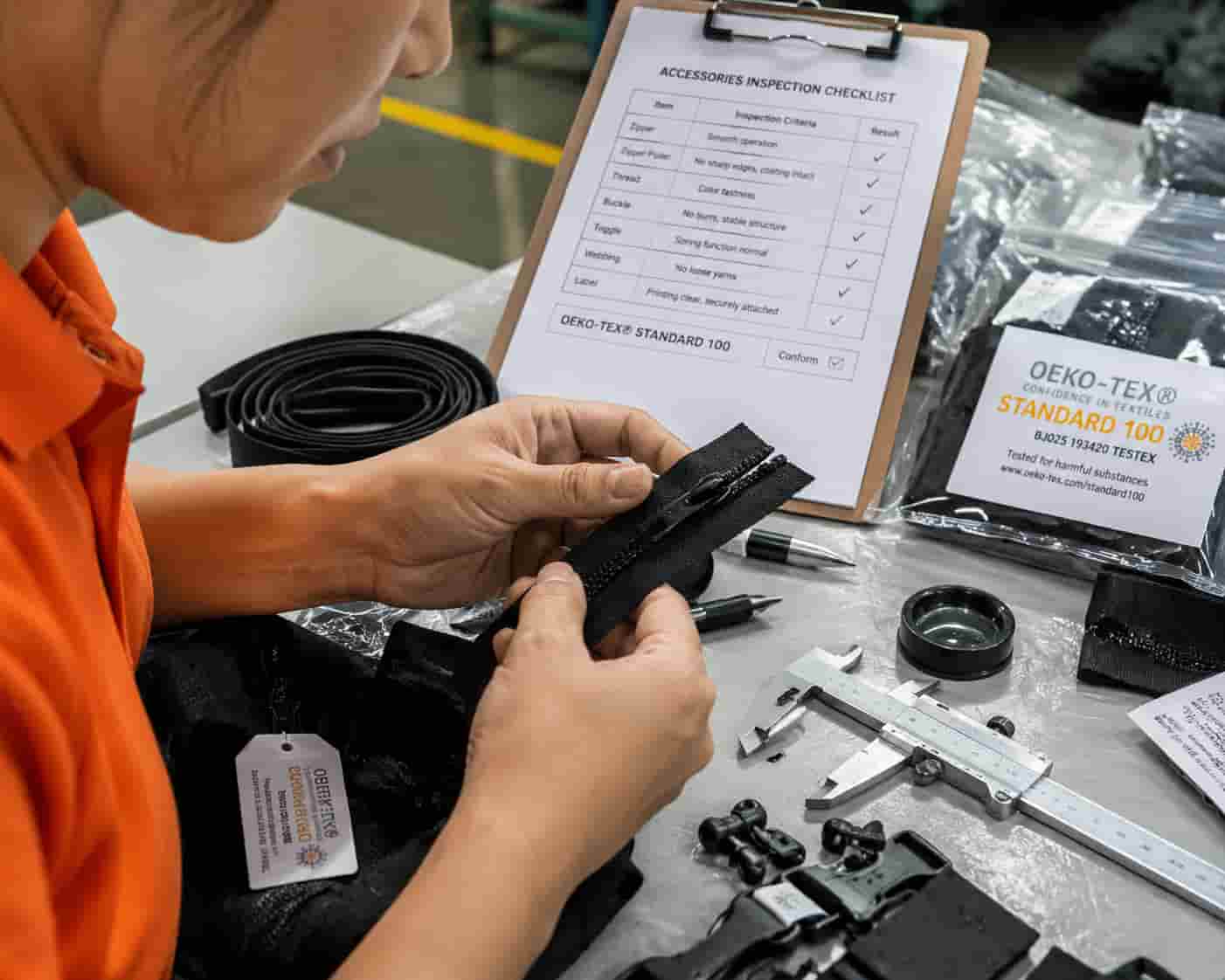
| OEKO-TEX 100 | “Fabric certificate is enough” | Every accessory (zipper, tape, thread) must match compliance level | 100% component-level filtering (threads, tapes, and zippers) |
| GRS Recycled Fabric | “Eco marketing label” | Batch-level stability varies depending on fiber origin | Roll-level validation & continuous hydrostatic cross-testing |
PFAS-Free DWR: What Changes When You Move Away From Fluorochemicals
Most brands assume PFAS-free DWR is a simple substitution. In real production, it is not that straightforward.
When we switch from C6-based coatings to silicone or hydrocarbon systems, three things immediately change:
Water repellency behavior on different fabric densities
Surface tension response after heat curing
Durability after seam sealing exposure
Even within the same fabric specification, different rolls can behave slightly differently during finishing.
How We Handle This in Production (RUINIU Practice)
In actual factory operation, we don’t finalize coating parameters on paper. We adjust based on:
First-round spray test results (AATCC 22)
Heat curing response of the fabric batch
Seam sealing compatibility during trial bonding
For example, some lightweight 2.5-layer fabrics require lower curing temperature, otherwise the coating weakens at the seam line after sealing. This is why we always run a small pilot batch before bulk production starts.
OEKO-TEX Standard 100: The Part Most Brands Misunderstand
One of the most common mistakes we see is assuming OEKO-TEX certification applies to the fabric only. In real waterproof jacket production, this is not sufficient.
A finished jacket includes multiple material systems:
Shell fabric & Membrane layer
Seam sealing tape
Zippers & Velcro
Sewing thread & Labels
Each of these can come from different suppliers, and each needs compliance alignment.
Factory Reality: Where Problems Usually Happen
From our production experience, most compliance risks do not come from fabric—they come from small components:
Heat transfer labels that are not certified
Seam tapes with inconsistent chemical finish
Zippers sourced from mixed supply chains
This is why we control accessory sourcing at the same level as fabric selection. In some cases, we reject otherwise acceptable fabric batches because the supporting accessories cannot match OEKO-TEX requirements.
GRS Recycled Fabrics: Stability Is the Real Challenge
Recycled polyester and nylon are now widely used in outdoor jackets, but what is less discussed is batch variation. Depending on the origin of recycled raw material, we often see:
Slight differences in fiber density
Variation in coating absorption speed
Changes in seam bonding behavior
This does not mean recycled fabrics are unstable—it just means production parameters must be adjusted per batch.
How We Control This
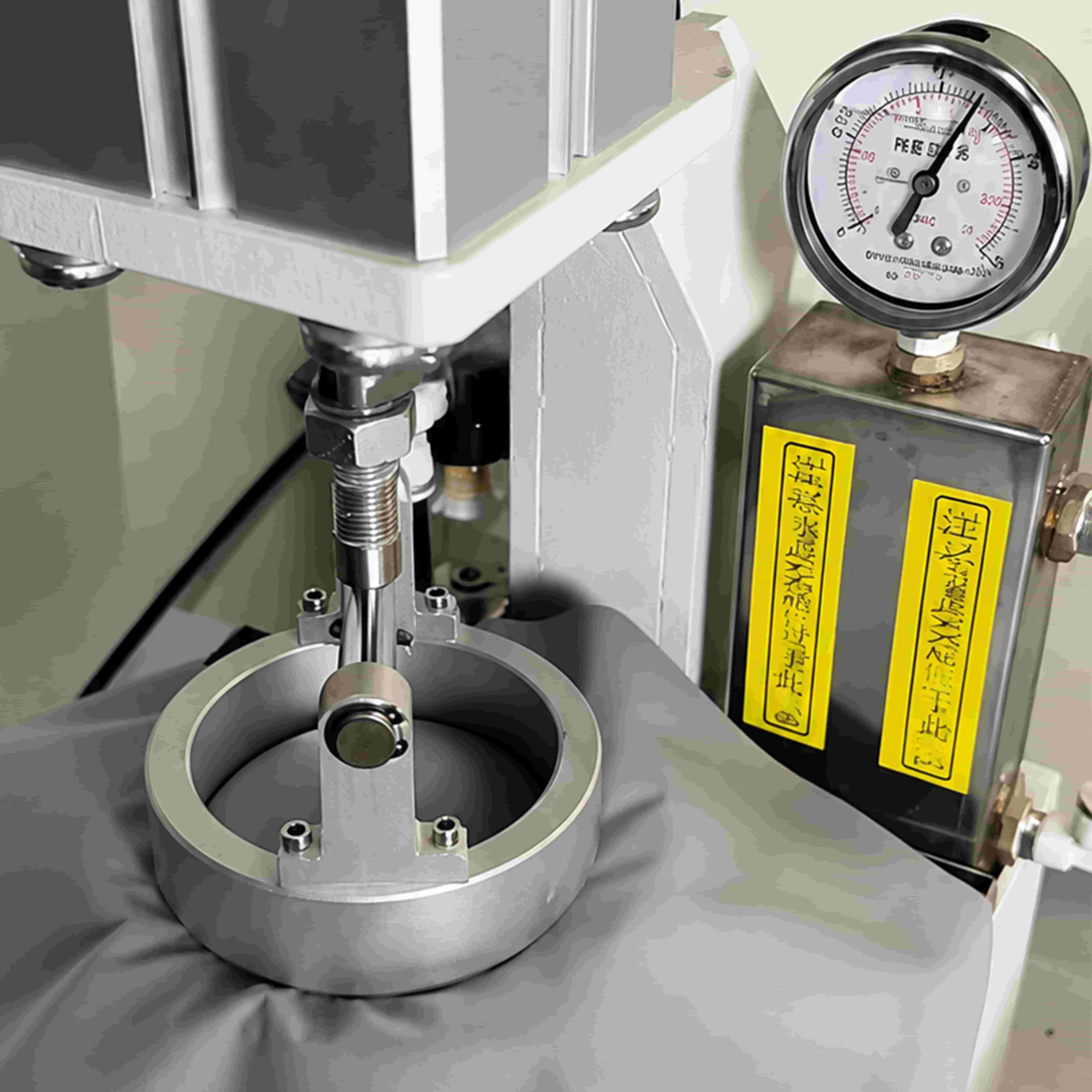
Before cutting production orders, we usually run a small roll validation test, a seam sealing adhesion trial, and a hydrostatic pressure comparison against standard fabric. Only after confirming stability do we release bulk production.
Eco Material Testing: What Happens Before Shipment
For eco-compliant jackets, final inspection is slightly stricter than standard production. We typically check:
Waterproof performance under continuous pressure
Seam bonding strength after wash simulation
DWR surface retention after heat stress
Visual inspection under controlled lighting
In many cases, eco-finished garments require tighter tolerance control because coatings are more sensitive than traditional fluorocarbon systems.
Why This Matters for Outdoor Brands
From a brand perspective, compliance is not only about regulations—it directly impacts:
Whether products pass customs clearance safely
Whether retailers accept seasonal orders without liability risks
Whether long-term supply contracts remain stable
Whether product returns increase due to performance degradation
In practice, most production failures we see are not design-related—they are compliance-related.
Work With RUINIU (OEM Production Insight)
When we support OEM programs for outdoor brands, the first step is not design—it is material mapping. We usually start by aligning:
PFAS-free coating system selection
OEKO-TEX component sourcing check
Fabric-to-accessory compatibility review
Pre-production lab validation plan
For new development projects, sample lead time is typically 7–10 working days once material systems are confirmed. As a transparent clothing manufacturer in China, we provide clear compliance documentation for every step.
Conclusion: Compliance Is Now Part of Engineering
PFAS-free coatings, OEKO-TEX standards, and recycled fabrics are no longer separate topics in outdoor apparel manufacturing. They are now part of the same engineering system that determines product stability, durability, and retail acceptance.
In real production, success is not about choosing the right material—it is about controlling how all materials behave together under heat, pressure, and time.